After teachers label her son’s behavior as problematic and try to have him evaluated by a psychologist, a Black parent uncovers why schools fail Black boys and begins organizing her community to challenge practices detrimental to them.
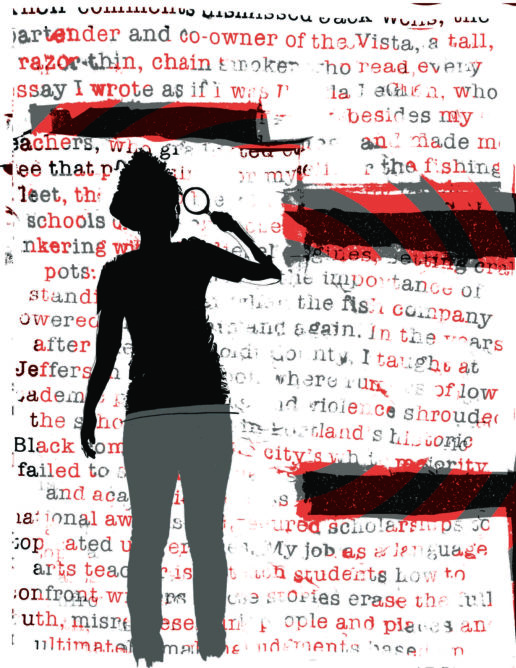
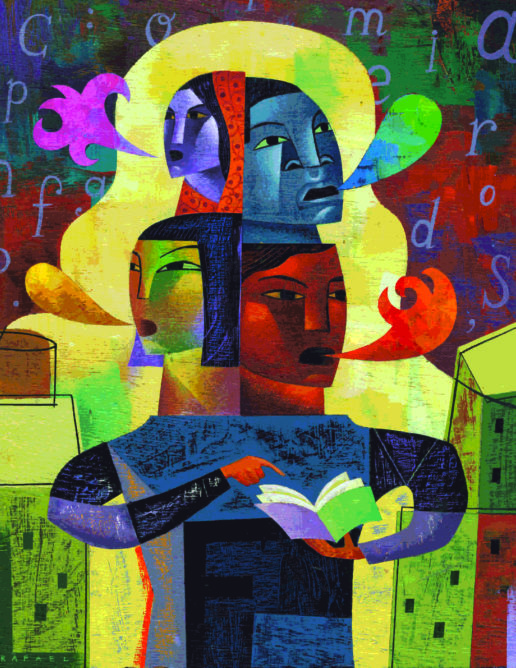
“Part of the work of teaching students to read is teaching them to question not only the written word, but also the author,” Christensen writes in her article about teaching students how to confront writers whose stories erase the full truth and misrepresent people and places.
A writer interrogates school culture and our collective role in the suicide of a gay 15-year-old 9th grader in Alabama.
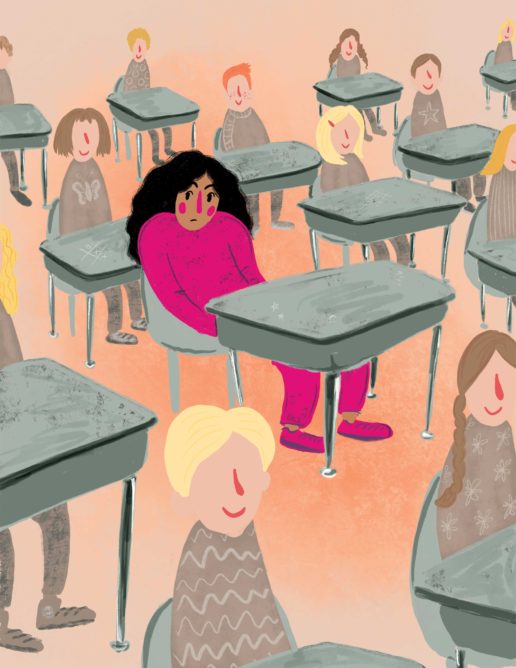
A Palestinian American mother describes the alienation that she felt in school, and how she draws on her experiences to imagine the schooling she wants for her children.
A teacher-educator describes how she keeps her students talking about race, even when it’s uncomfortable — and shows how those conversations make better teachers.
A 2nd-grade teacher shows how connecting a student’s home to the classroom led to profound lessons for all her students — in this case, about pipelines and climate justice.
Oogenesis? Heterozygous? Science vocabulary can be difficult for students, especially English language learners. A science teacher describes how she reorients science classrooms to make vocabulary accessible.
A Connecticut educator who taught English to incarcerated young men for 20 years describes what happened when she introduced her students to the Canadian “Leap Manifesto.”
The director of a world language teacher preparation program argues for an end to the edTPA because it bars native Spanish speakers from public school classrooms.
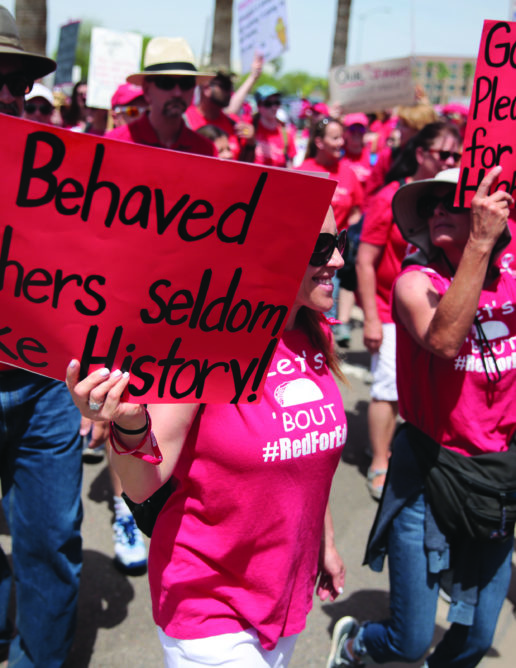
An elementary teacher who helped organize Arizona educators to strike explains how their movement formed and operated, and how it can inspire other teachers’ movements.
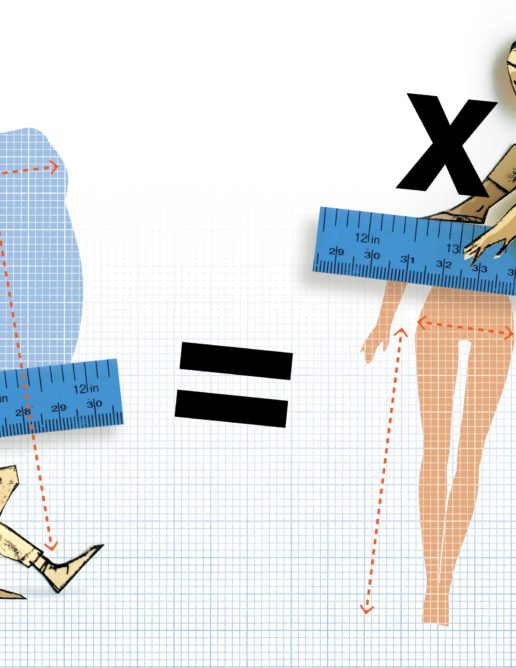
A math teacher uses Barbies and action figures to teach proportional reasoning and other skills — and to help students think about society’s expectations of our shapes and sizes.
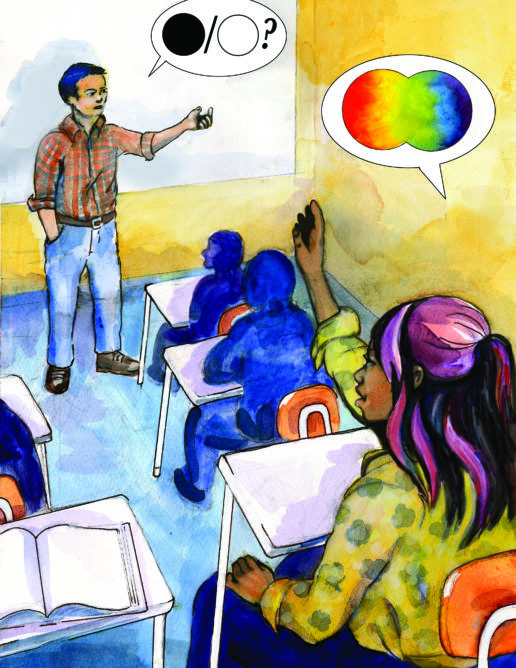
A biology teacher focuses on how rethinking classroom language around gender and reproduction can impact inclusion.
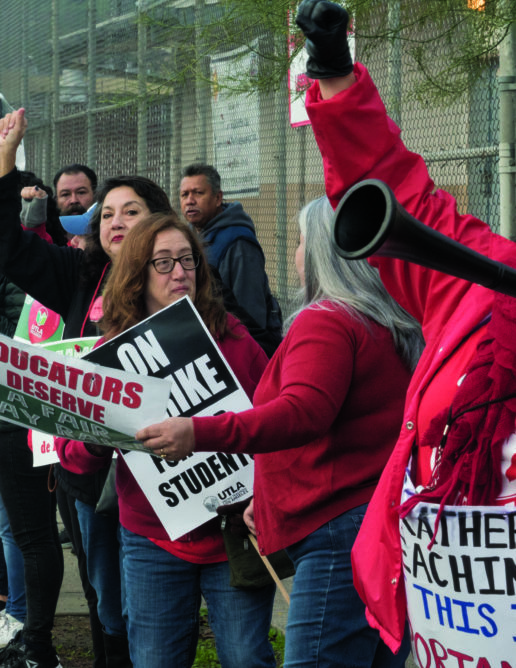
Rethinking Schools editor Jesse Hagopian interviews Gillian Russom, a teacher and leader with UTLA, about how the Los Angeles teachers’ strike was organized, what it won, and what it could mean for the future of the #RedForEd movement.
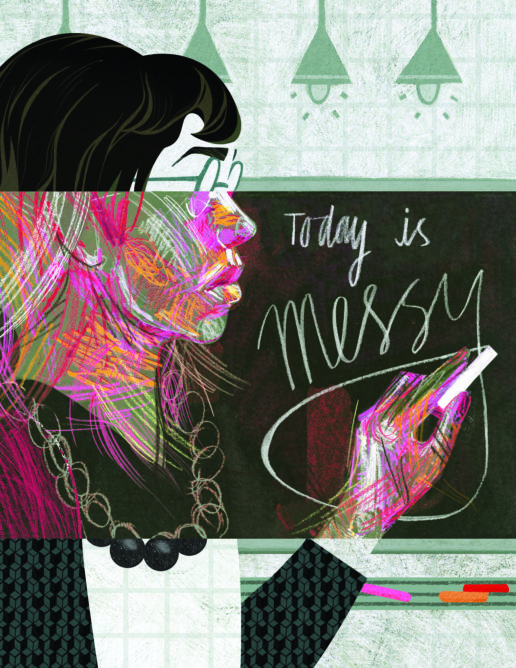
A special education teacher talks about the importance of sharing her own stories — and complexities — with students.
A Los Angeles teacher paints an intimate self-portrait of what it was actually like on the picket line during one of the most important public sector strikes in recent years.
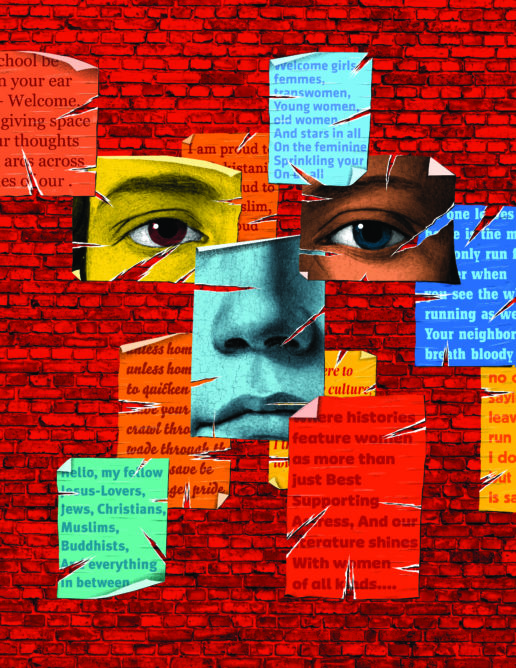
A teacher creates a welcome poems lesson to celebrate the diversity of students — and with students.
A high school English teacher deconstructs “Hero’s Journey” curriculum, shows its patriarchal prejudice, and talks about teaching collective rather than only individual transformation.
A physics teacher uses student research and other exercises to urge his high school class to wrestle with race, privilege, and representation.
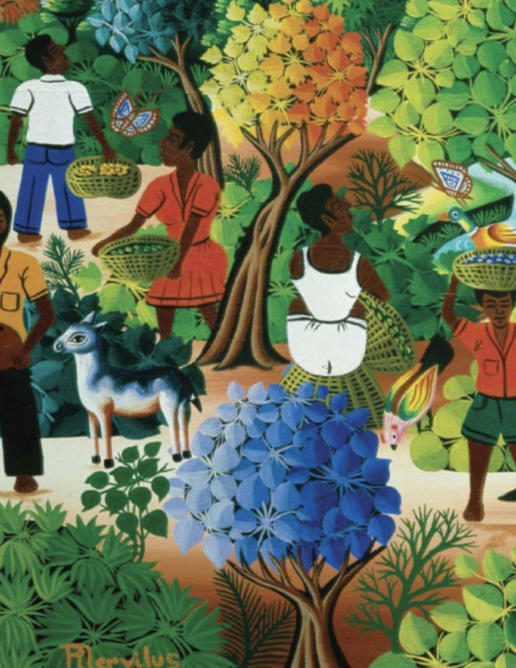
“Haiti is one of the poorest countries in the world.” That’s the only thing this Haitian American teacher remembers being taught in school about her family’s country of origin. She calls for a revolution in how educators teach Haiti.
Immediately after an earthquake devastated Haiti in 2010, corporations swooped in to capitalize on the destruction and to privatize public enterprises. Hagopian explores how disaster capitalism hit the education system and what the effects were on students and families.
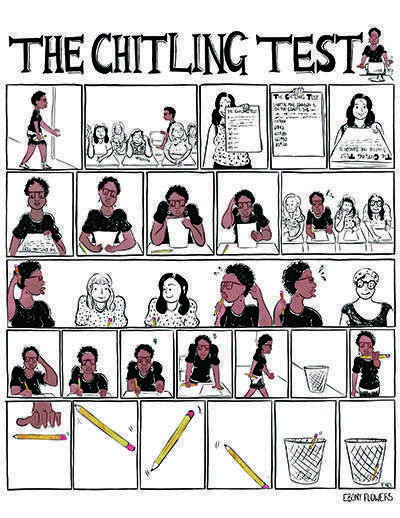
An educator reflects on how the education system has continually tested her Blackness from grade school through professional development, and argues that we need more Black spaces to nurture brilliance.
A high school teacher explores how the dynamics of a classroom can change when a student leaves and what the effects can be on that student, the other students, and the teacher.
An elementary school teacher developed the Quetzal Conundrum game to help students understand the impact of global warming in Costa Rica.
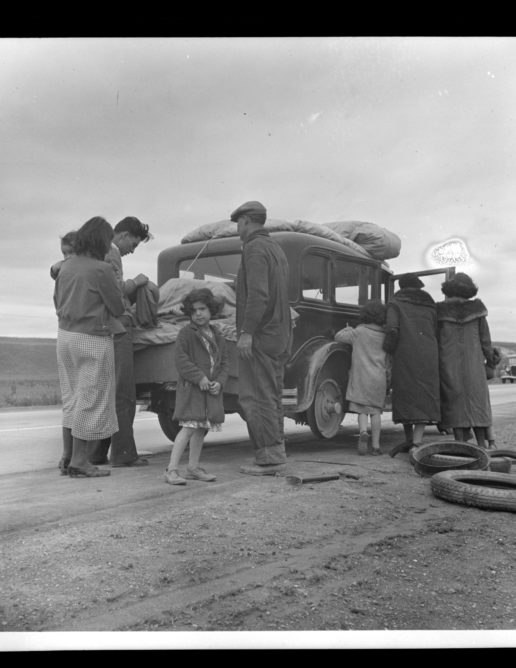
A social studies teacher describes the role play trial she developed around a largely forgotten period: when during the Great Depression the United States deported thousands of Mexican American families.
A teacher of color writes about obstacles he faced during his first year in the classroom and the support he received — and did not receive — from other teachers and administrators.