Who’s Stealing Our Jobs?
As a way to deal with racial tensions between his Black and Latina/o students, a high school teacher examines the impact of the North American Free Trade Agreement.

As a way to deal with racial tensions between his Black and Latina/o students, a high school teacher examines the impact of the North American Free Trade Agreement.
Seniors write admissions essays based on something they feel passionate about, discovering at the same time that they are “college material.”
The story of the development, challenges, and successes of a support group for Black girls at an Oakland, California, high school.
Una maestra bilingüe describe cómo la ansiedad que sienten los administradores escolares con respecto a los resultados de los exámenes estandarizados disminuye el compromiso de la escuela con el desarrollo de la lectoescritura en español y el amor de los estudiantes por el aprendizaje.
Third-grader Sabrina isn’t thriving in her self-contained special education classroom. Her parents believe that she would do better in an inclusion classroom, and they collaborate with teachers and staff to make it a success.
Students in a bioethics class are horrified to learn about the Tuskegee Syphilis Study, during which African American men were denied treatment for syphilis. They draw connections to other medical injustices and write their own codes of ethics for medical research.
A teacher educator is hired as a mentor by a turnaround school’s new principal. He soon realizes he is being asked to cover for getting rid of an excellent teacher of color.
Two authors collaborated to write a nuanced novel from the perspectives of two young men—Rashad, who is Black, and Quinn, who is white. The novel gives teachers a powerful tool to discuss police brutality and racism with students.
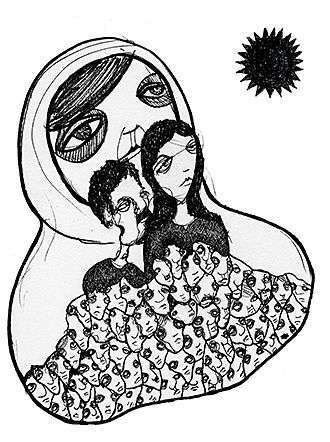
A Canadian teacher discusses the impact of Islamophobia on students, especially those who are Muslim and/or from the Middle East.

The tale of a high school English teacher’s journey into—and out of—formulaic writing programs as her school struggles with high-stakes exams.
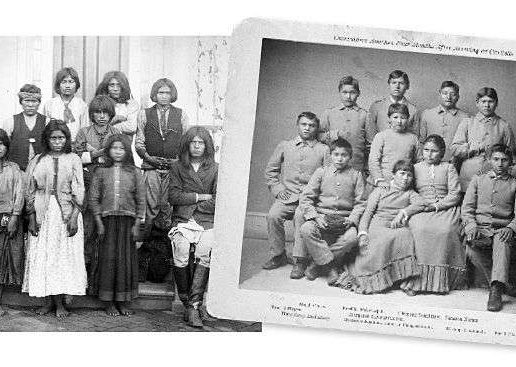
Parallels in the oppressive history of residential schools for Native American and Deaf children help Deaf students better understand their history and culture.

A teacher writes about his hopes for the person his child will become—and some of the dangers along the way.
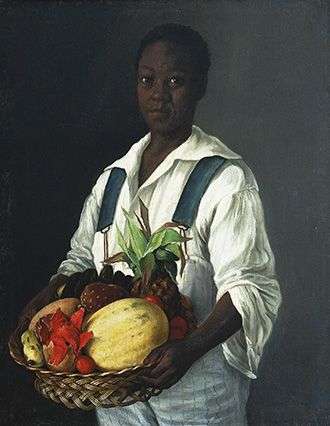
Latina/o students explore the impact of African roots on Mexican culture and history.
A 3rd-grade bilingual teacher describes how administrators’ anxiety about standardized test results erodes both a school’s commitment to Spanish literacy and students’ love for learning.
Two teacher educators encourage their students to think about the impact of racial and colonial biases on media coverage of science issues—and on scientists.
Building on the lead-poisoned water scandal in Flint, Michigan, a Chicago chemistry teacher helps her students explore lead poisoning in their own city.
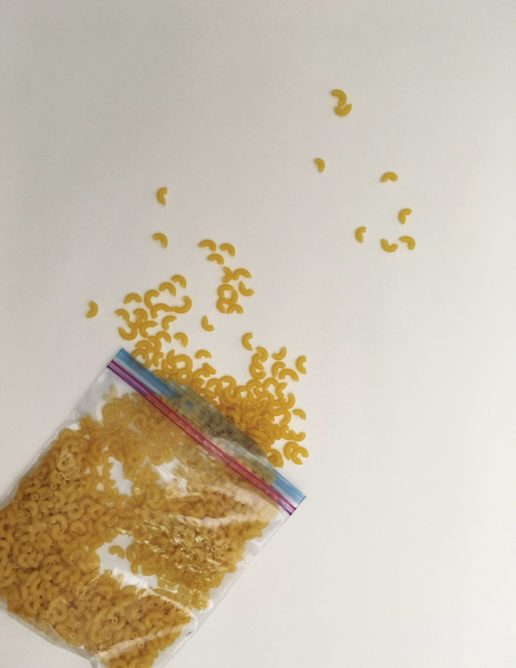
A 3rd-grade teacher uses thousands of pieces of macaroni to facilitate a lesson about fractions and to spur classroom conversations about wealth inequality.
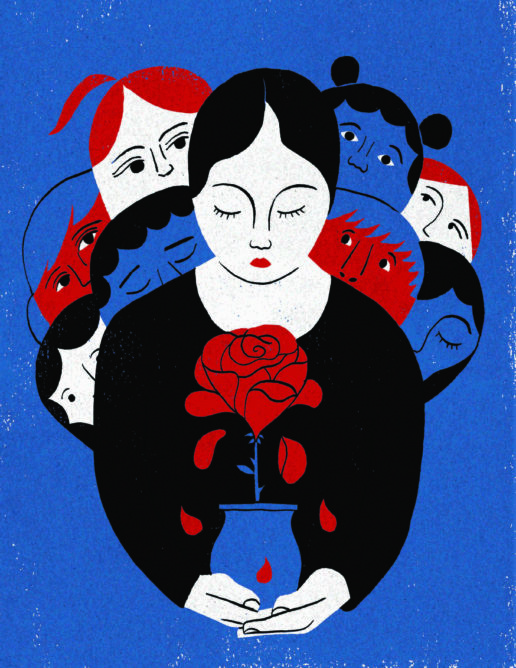
Death happens regularly, but a special education teacher describes her own mother’s death to show how schools leave no space for grief and try to hide death from the school community.
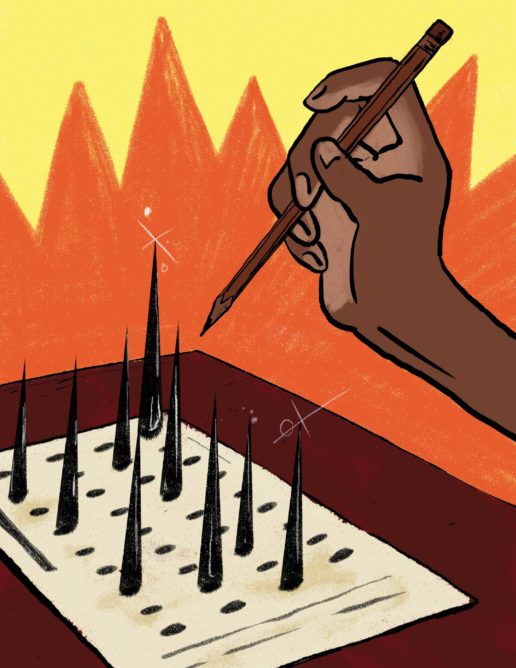
High-stakes tests have not only failed to achieve racial equality in schooling, they’ve also made it worse for students of color.

While high-profile tests like the SAT are problematic, Karp argues that we need to end the routine standardized tests that plague students and teachers.
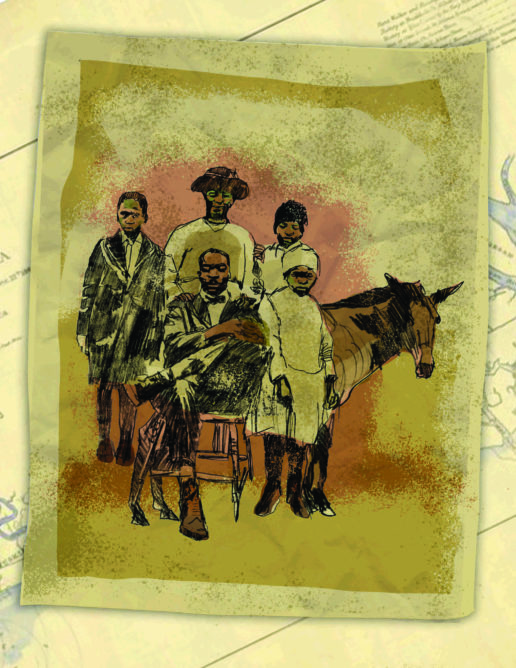
A high school teacher uses a role play so students can imagine life during Reconstruction, the possibilities of the post-Civil War era, and the difficult decisions that Black communities had to wrestle with.
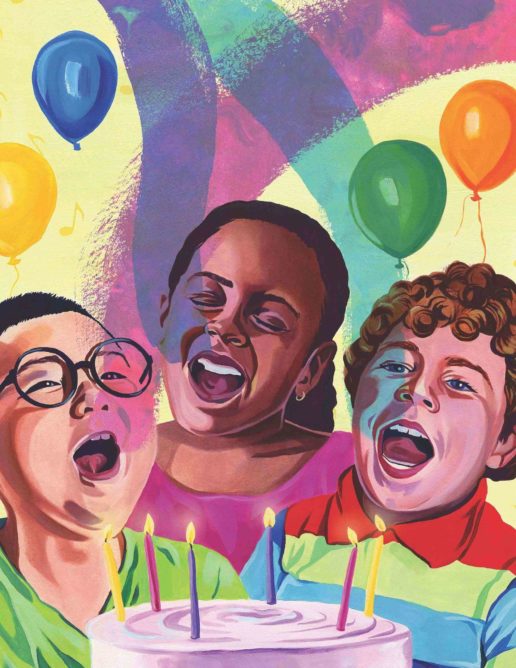
A kindergarten teacher looks at birthday celebrations in her classroom and whether all of her students’ home languages and rituals are being uplifted.
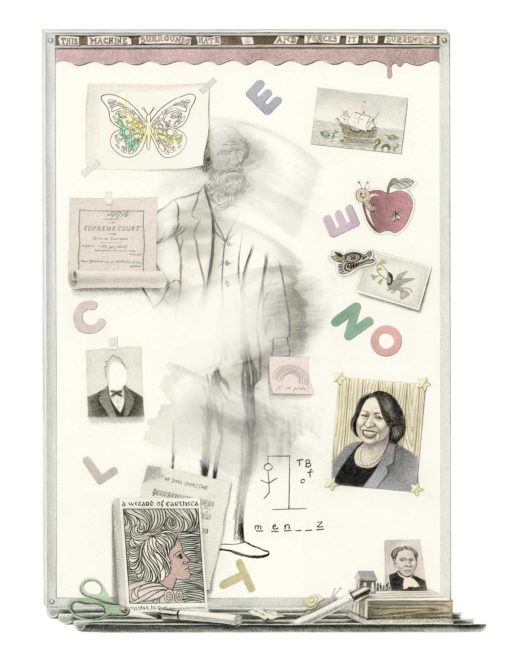
Across the United States, we are toppling monuments and former heroes. Past icons are rightfully crashing — in esteem and in our public and private spaces — as we begin the overdue process of reckoning with history. Contemporary heroes are being lowered, too. This vogue of name controversies might be seen as a petty preoccupation by detractors, but what could be a more powerful symbol than what we choose to name a school?
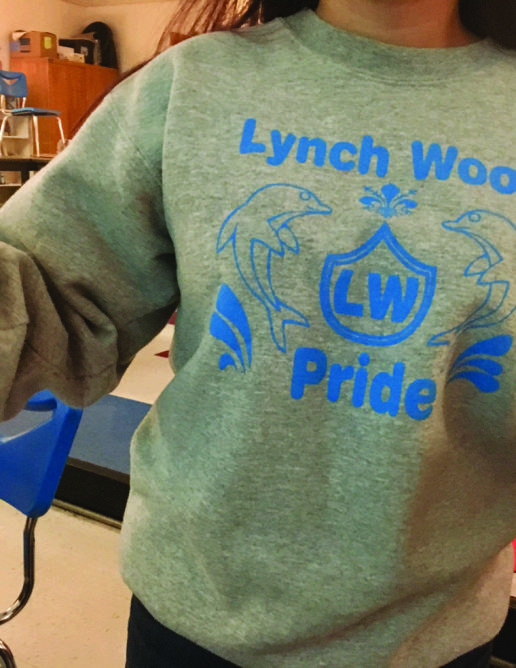
A language arts teacher describes a school board debate in which she merely showed up, instead of showing up and fighting for communities of color.

A high school teacher looks at how a daily activity focusing on the representation of women helped transform her classroom.