Why I Don’t Teach the Hero’s Journey
A high school English teacher deconstructs “Hero’s Journey” curriculum, shows its patriarchal prejudice, and talks about teaching collective rather than only individual transformation.

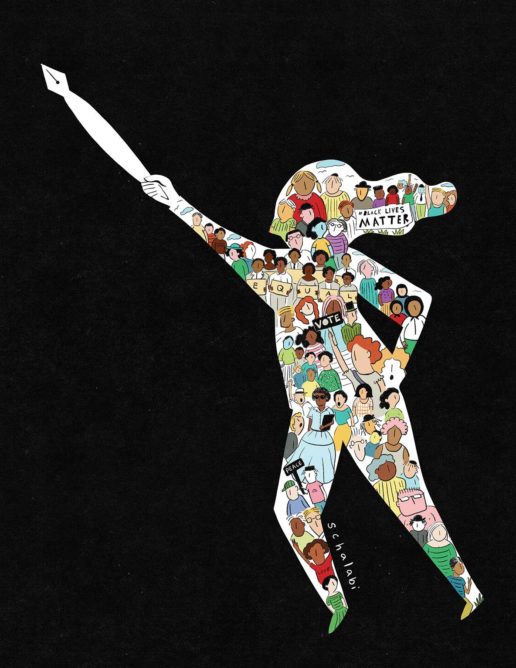
A high school English teacher deconstructs “Hero’s Journey” curriculum, shows its patriarchal prejudice, and talks about teaching collective rather than only individual transformation.
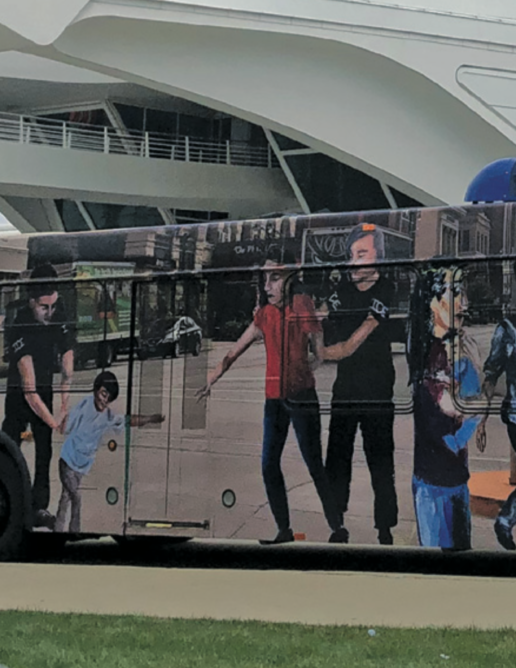
I worked with ArtXpress — a program for teens through the Milwaukee Art Museum — as an intern for three weeks over the summer. Our mission was to choose a […]
Bob Peterson analyzes the Janus decision’s impact on teacher unions, talks with union leaders from across the country about how they are responding to it, and argues that the damage of the decision can be countered through the upsurge of progressive activism engendered by the victory of Donald Trump.
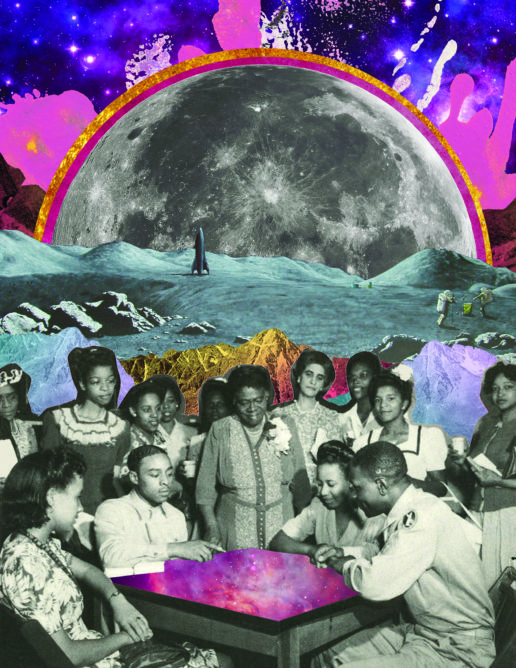
A physics teacher uses student research and other exercises to urge his high school class to wrestle with race, privilege, and representation.
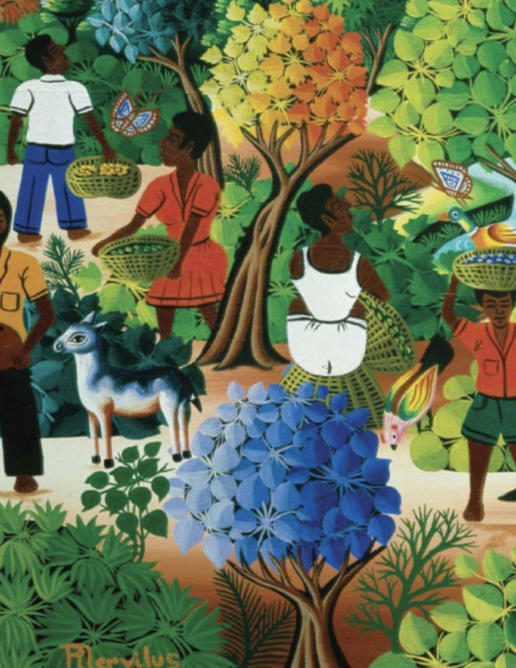
“Haiti is one of the poorest countries in the world.” That’s the only thing this Haitian American teacher remembers being taught in school about her family’s country of origin. She calls for a revolution in how educators teach Haiti.
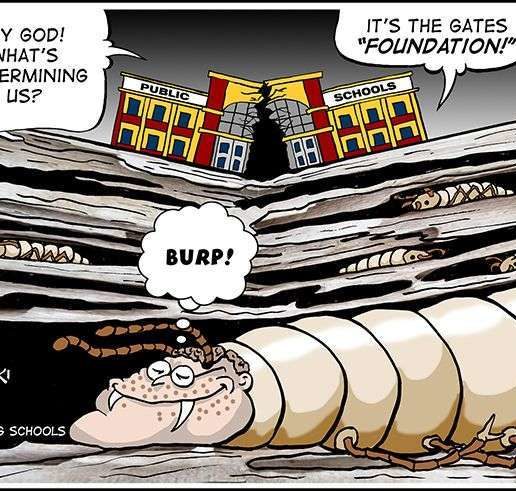
Janice Jackson interviews Rethinking Schools editor Wayne Au about the failure of Bill Gates’ educational initiatives.
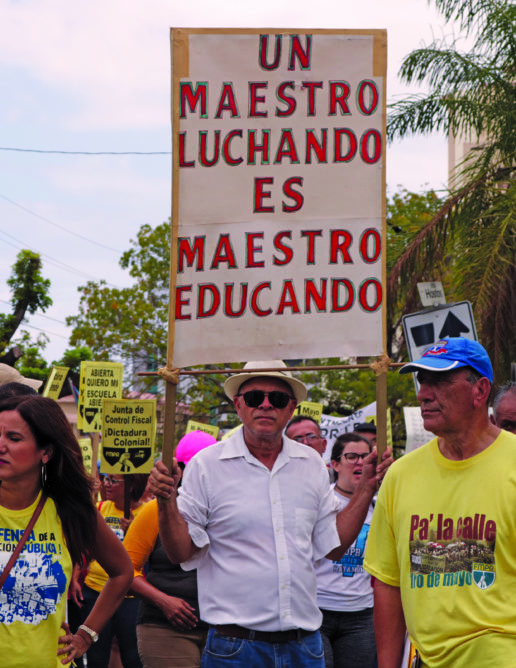
Union activists have been tirelessly organizing with communities, recognizing that these are the same stories of communities across the United States. The fight will go on, even as disaster capitalism on steroids wants to destroy the public education system.
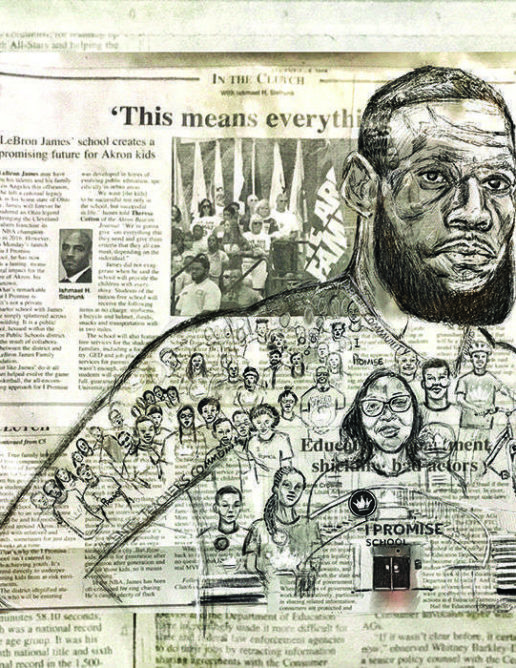
There are few public schools receiving as much attention these days as LeBron James’ I Promise School in Akron, Ohio — and it’s because it’s just that: a public school.
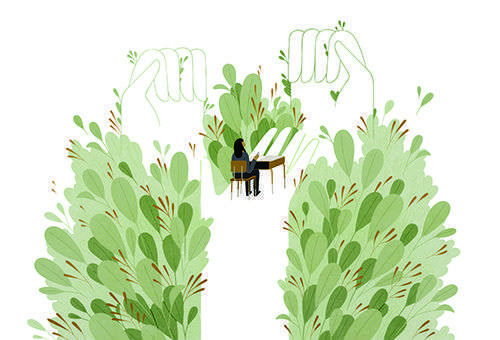
How we seed and support student activism will vary from community to community, school to school, and grade level to grade level. But this is a crucial moment in history, and what we do as educators matters. When we help students explore and analyze exploitation, injustice, and danger in the world, we can also help them develop the knowledge and skills to change it.
Check out these valuable resources, reviewed by Rethinking Schools editors and Teaching for Change colleagues.
Immediately after an earthquake devastated Haiti in 2010, corporations swooped in to capitalize on the destruction and to privatize public enterprises. Hagopian explores how disaster capitalism hit the education system and what the effects were on students and families.
The third installment of our new environmental justice column celebrates the annual two-day Climate Justice Fair at Madison High School in Portland.

An educator reflects on how the education system has continually tested her Blackness from grade school through professional development, and argues that we need more Black spaces to nurture brilliance.
A high school teacher explores how the dynamics of a classroom can change when a student leaves and what the effects can be on that student, the other students, and the teacher.

An elementary school teacher developed the Quetzal Conundrum game to help students understand the impact of global warming in Costa Rica.
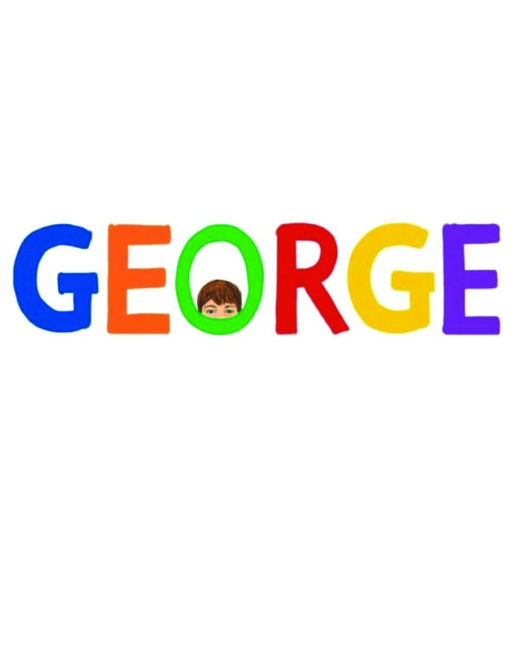
A school librarian describes children’s books with strong transgender characters and themes.
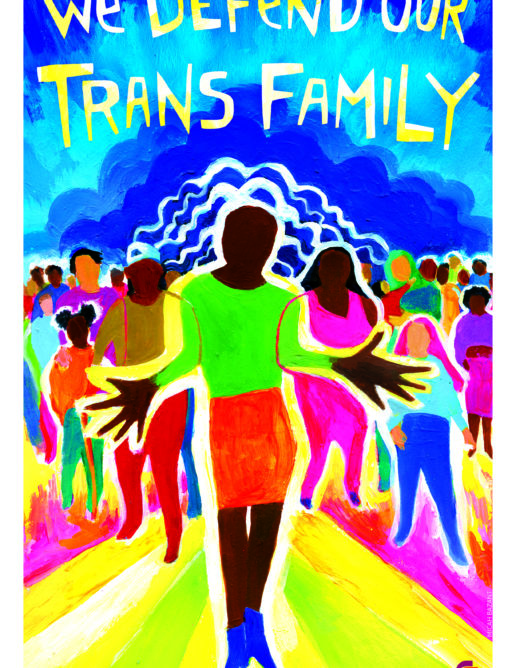
What can teachers, schools, and districts do to meet the needs of trans students? To make them visible? To keep them alive? To celebrate them?
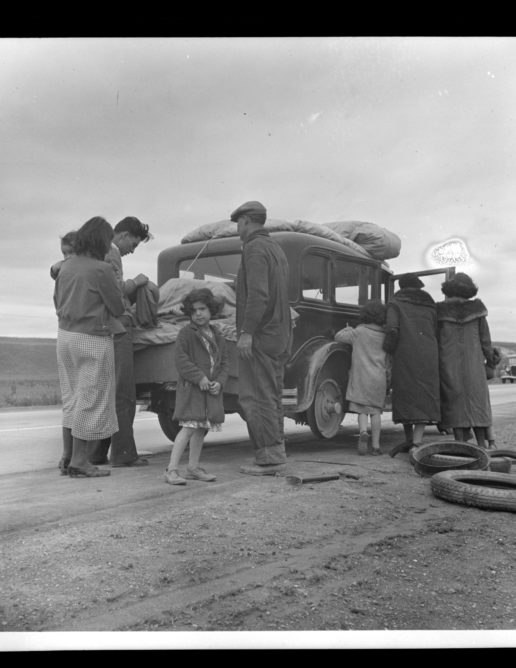
A social studies teacher describes the role play trial she developed around a largely forgotten period: when during the Great Depression the United States deported thousands of Mexican American families.
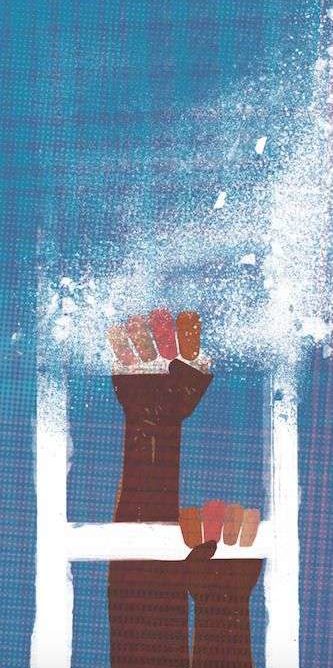
A teacher of color writes about obstacles he faced during his first year in the classroom and the support he received — and did not receive — from other teachers and administrators.

The staff advisor for their high school’s Queer-Straight Alliance delves into the complexities of a student-led training for teachers on the importance of using students’ preferred pronouns.
The ongoing, persistent verbal and physical violence against women, youth, and LGBTQ communities has not been adequately addressed in most schools. Instead of educating children and youth about gender equity and sexual harassment, schools often create a culture that perpetuates stigma, shame, and silence. Student-on-student sexual assault and harassment occurs on playgrounds, in bathrooms and locker rooms, on buses, and down isolated school hallways. Students experience sexualized language and inappropriate touching, as well as forced sexual acts. And they encounter these at formative stages of their lives that leave scars and shape expectations for a lifetime. What isn’t addressed critically in schools becomes normalized and taken for granted.
In May 2016, while I was carrying out ethnographic research in the Kakuma Refugee Camp in Kenya, a Form 4 (12th grade) history teacher asked me if I would teach his students about U.S. democracy. We flipped through the history and government textbook to one of the last chapters where the national curriculum outlined political systems in Kenya, England, India, and the United States. It was a peculiar moment to put the U.S. democratic system on display.
Right away I recognized her. Ruby Bridges. The courageous girl who defied white racists and became the first to integrate an all-white elementary school. My 7-year-old son pulled a handout out of his backpack with her face on it. He is in a bilingual, two-way immersion program at our local elementary school. As is our custom on Friday, we emptied his backpack and sorted the contents. We determined what needed to be recycled, what would be hung on our whiteboard, and what needed to be stored in my Things-to-take-care-of box by the fridge. I smiled, because as a former history teacher and lover of Black history, I was happy to see my son learning about this important historical moment. And then, I took a closer look and saw that it was in Spanish. I was elated as it dawned on me that my son truly is emergent bilingual. “Caleb, what’s this about? Did you read this in school?”
In the spring 2011 issue of Rethinking Schools we editorialized about the immense gulf between our terrible environmental crisis — especially the climate crisis — and the adequacy of schools’ curricular response. Seven years later, we still see this gap between crisis and curriculum — which is why we are launching this regular “Earth, Justice, and Our Classrooms” column: to offer encouragement and resources for teachers to help students explore the roots and consequences of the crisis and figure out how to respond.
NCTQ, which claims to “provide an alternative national voice to existing teacher organizations and to build the case for a comprehensive reform agenda that would challenge the current structure and regulation of the profession,” was created by the Thomas B. Fordham Foundation in 2000 and incorporated in 2001 as a policy response to a perception that colleges of education were not adequately preparing teachers. According to education historian and NCTQ critic Diane Ravitch, the conservative members of the Thomas B. Fordham foundation perceived teacher training as problematic due to an overemphasis on social justice and a lack of focus on basic academic skills and abilities. Thus, NCTQ was originally founded as an entity through which to encourage alternative certification and circumvent colleges of education. Indeed, early on, NCTQ was closely connected to ABCTE (American Board for the Certification of Teacher Excellence), which created a series of tests that potential teachers could pass in order to bypass teacher education programs altogether by paying $1,995.00.