On a chilly day in the late fall of 2015, in the pews of the Old First Reformed United Church of Christ in the Old City Neighborhood of Philadelphia near the Delaware River, we sat, excited with anticipation, among nearly 200 participants at the second annual Philadelphia Caucus of Working Educators (WE) daylong convention. The nine members of our slate who would challenge existing union leadership in the upcoming election had just been announced and Ismael Jimenez, the nominee for vice president of high schools, took the mic:
We need to start shifting this paradigm. This paradigm that has us disengaged. Powerless. Beholden to interests that aren’t ours. They are treating us like objects. Things just happen to us. No longer can we sit in complacency. The victory that I’m talking about isn’t just a PFT [Philadelphia Federation of Teachers] election. This is a means to an end. And the end is justice.
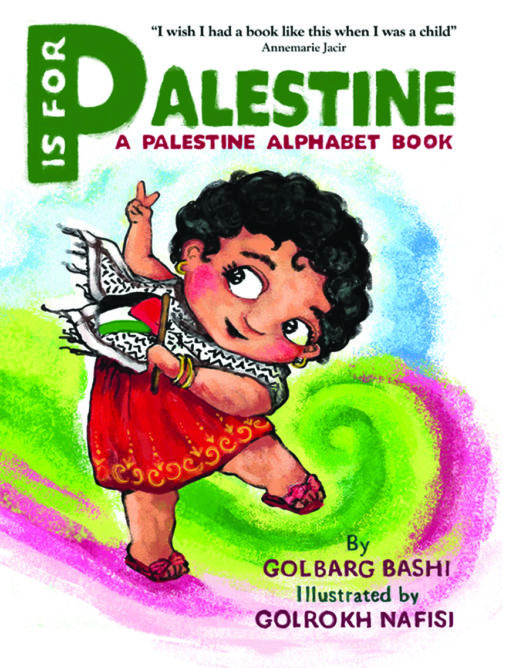
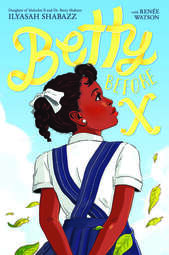
Check out these valuable resources, reviewed by Rethinking Schools editors and Teaching for Change colleagues.
They’re calling it the “Education Spring,” and what started in a rural county in southwest West Virginia has spread like wildfire and inspired teachers and other public sector workers across […]
at the West tip of Texas
a line divides us from them
and on the other side
they all look like me
yet on my side we sit passively nearby
while the other side allows a slow genocide
“We have something to tell you but we’re worried about getting you too involved. We don’t want to get you in trouble,” Baylee and Zaida whispered excitedly as they wiggled through the crack in my classroom door on my prep. I was confused to see them in such high spirits because earlier in the day they had been crushed by news from our administration. For more than two months they had been part of our Restorative Justice club that had been planning two half-day workshops around women empowerment for female-identifying students and toxic masculinity for male-identifying students. The club of 11 demographically diverse students had been urging adults in our building to do something about sexual harassment since October, when they made sexual assault and harassment their Restorative Justice club theme of the month and visited 9th grade classes to lead circles on the topic. This opened up a door for 9th graders to continue to reach out to upperclassmen about the harassment they were facing.
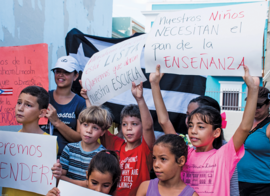
SPECIAL REPORT: Education “reformers” are using the disaster in Puerto Rico to close hundreds of public schools and convert much of the school system to charters. But teachers, parents, and students are fighting back.
There’s much that we as educators can do to combat gun violence and get guns out of our schools. One of our roles as teachers is to guide students to examine the roots of an issue.
How 4th-grade students in Southern California were helped by their teachers to develop curriculum surrounding the mass deportation of U.S. citizens of Mexican heritage in the 1930s and pass a law to investigate what happened.
A first-year teacher struggles with what it means to be a social justice educator.
Check out these valuable resources, reviewed by Rethinking Schools editors and Teaching for Change colleagues.
Trump supporter Carl Paladino’s racism, misogyny, and transphobia galvanized community members to oust him from the Buffalo School Board. Their struggle also laid the groundwork for new coalitions and progressive change.
A special education teacher uses poetry to help her middle school students write their own narratives and celebrate themselves.
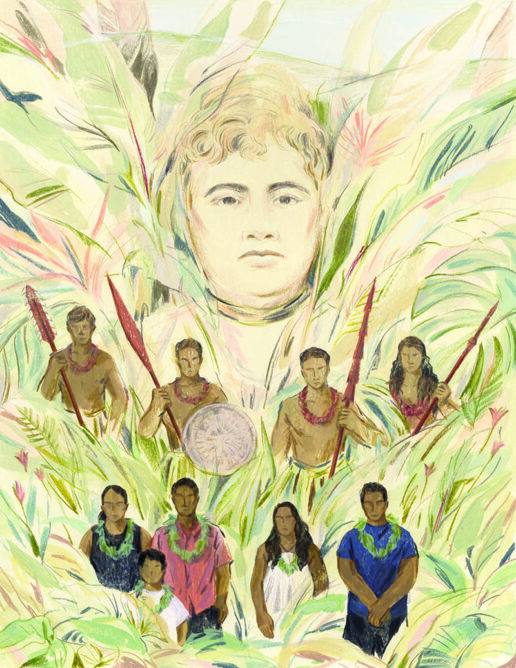
A high school teacher uses the #MeToo movement and students’ own experiences with apologies to interrogate the government’s 1993 apology to Native Hawaiians for the 1893 overthrow of the Kingdom of Hawai’i.
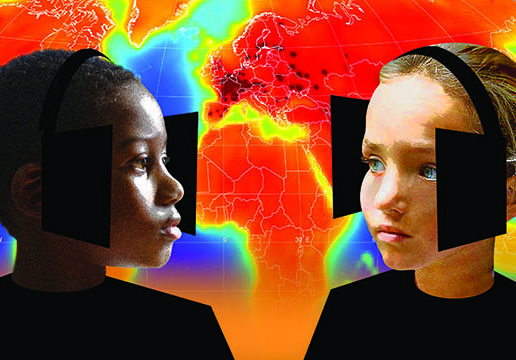
The second installment of our new environmental justice column focuses on one part of a resolution passed by the Portland, Oregon, school board that mandates the school district not use text material that doubts “the severity of the climate crisis or its root in human activities.”
The wave of struggles sweeping through the United States are more than “red state” revolts. They are rebellions against the austerity and privatization that has been driving federal and state economic policy for decades. The dynamics and political landscape are different in each state. However, almost all of the states where statewide actions have occurred are right-to-work states, which have seen the steepest cuts in school funding and sharpest erosion of teacher pay and benefits. These states are less likely to have collective bargaining rights and local district contracts. This puts more focus on state budgets and state decisions about healthcare and pensions, and encourages statewide action focused on the legislature. Consequently, many of the walkouts have been more akin to mass political protests seeking broad changes in public policy. But other common factors underlying these grassroots protests are likely to keep rebellion spreading to “purple” states like Colorado (where there was a walkout in April) and North Carolina (May) and beyond. Almost everywhere in “red states” and “blue states” alike, budget and tax policy has been used to erode social services, shrink public space, undermine union power, and transfer wealth upward, all the while making the lives of working people harder.
Check out these valuable resources, reviewed by Rethinking Schools editors and Teaching for Change colleagues.
Organizer and advocate Tony Báez has been fighting for improved bilingual education programs for decades. In this interview, he talks about the current state of bilingual education and describes how parents and educators won a maintenance K-12 bilingual program in the Milwaukee Public Schools.
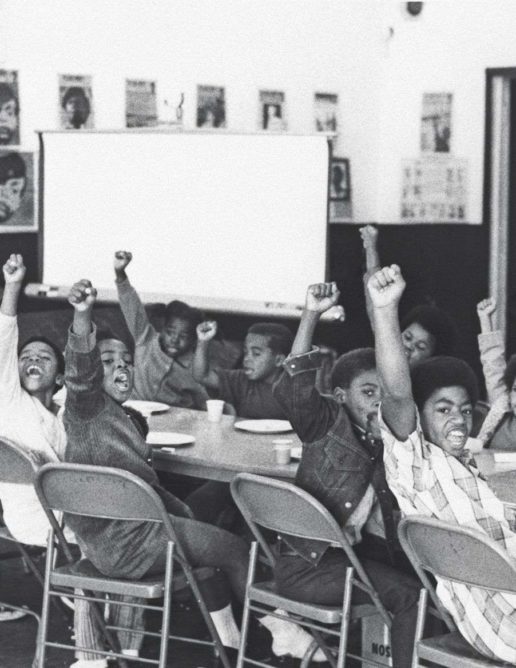
The history of the Black Panther Party holds vital lessons for today’s movement for Black lives and all movements to confront racism, inequality, and police violence. But our textbooks distort the significance of the Panthers — or exclude them completely.
A teacher in a predominantly white school and classroom describes how she chose to protect and educate one of her Black students, rather than use him to educate her white students.
Puerto Rico’s teachers are resisting the onslaught of privatization efforts in the wake of Hurricane Maria.
It has always been an educator’s responsibility to act in solidarity with vulnerable students. But with President Donald Trump’s September declaration that he will end DACA, we are called on to be more audacious, more resolute, and more imaginative in our solidarity with the 800,000 undocumented young people who now face a frightening uncertainty about their future in the United States.
An elementary school teacher uses his students’ T-shirts to launch a lesson about child labor, basic economics, factories, unions, and strikes. “When I was a child, I remember ‘playing pretend’ with my cousins. We could be anyone we imagined, and in that moment, we were those people. Why not use that energy and imagination as a resource? When we use our imagination to walk in another’s shoes, that’s where real learning begins.”
A teacher wrestles with her frustrations with having to administer a standardized test that she wouldn’t even allow her own daughter to take. “Fourteen days I enforced SBAC testing to be the priority of our classroom learning — or rather, our classroom “unlearning.” Fourteen days SBAC took away.”
An elementary teacher tells how she works to include her Muslim students in the life of her classroom. “We can use or create curriculum and projects that allow students to learn about and incorporate their culture and religious practices if they want to. We can be deliberate in including, making space for, and recognizing our students in all aspects of their identities. Making schools inclusive doesn’t have to be a guessing game.”
A high school teacher critiques the textbook treatment of the Cold War and U.S. imperialism. She describes her approach to the “curricular conundrum” that the Cold War presents because it lasted so long, and was so far-flung. “”If we are ever to create a different world, one in which the United States does not cast an outsized and militarized shadow across the globe, we need our students to understand how and why that shadow was created in the first place.”