
Lies My Spanish Textbooks Tell
Latinos dance, they sing, they happily play baseball. And what great food!
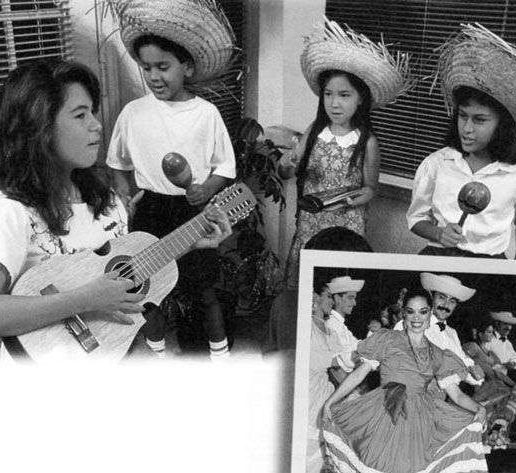
Latinos dance, they sing, they happily play baseball. And what great food!
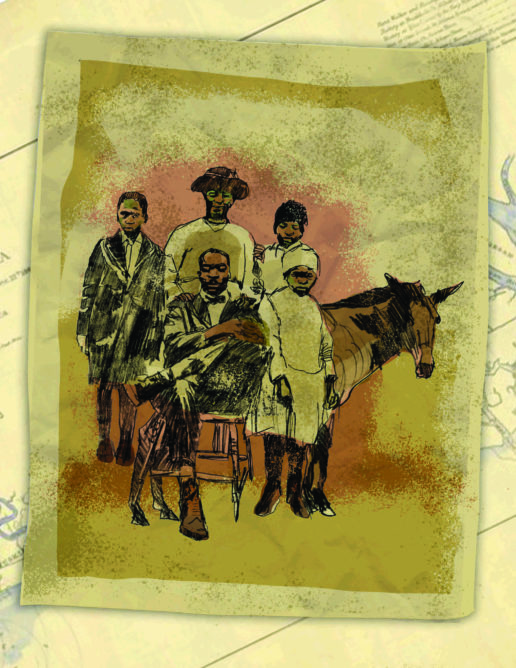
A high school teacher uses a role play so students can imagine life during Reconstruction, the possibilities of the post-Civil War era, and the difficult decisions that Black communities had to wrestle with.
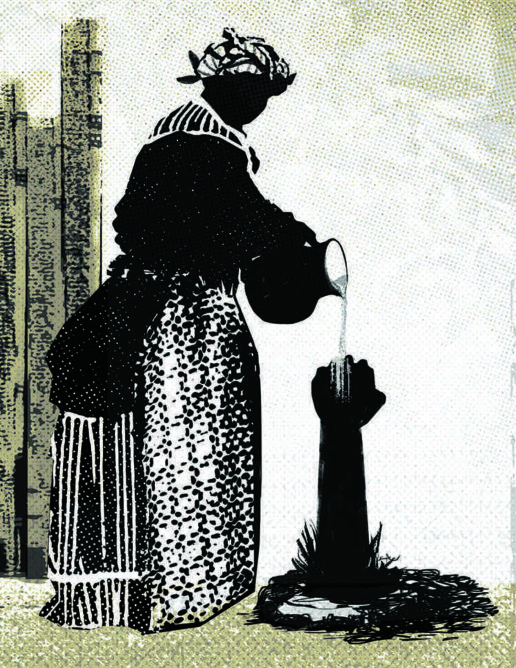
Unfortunately, the transformative history of Reconstruction has been buried. First by a racist tale masquerading as history and now under a top-down narrative focused on white elites. It’s long overdue we unearth the groundswell of activity that brought down the slavers of the South and set a new standard for freedom we are still struggling to achieve today.
A language arts teacher describes a school board debate in which she merely showed up, instead of showing up and fighting for communities of color.
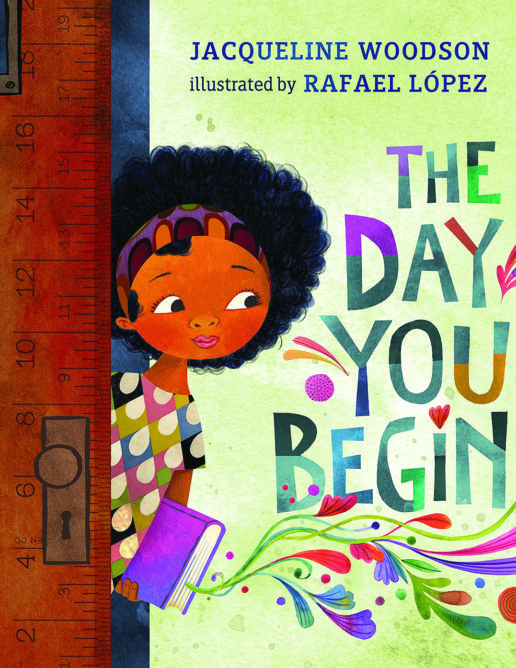
Check out these valuable resources, reviewed by Rethinking Schools editors and Teaching for Change colleagues.
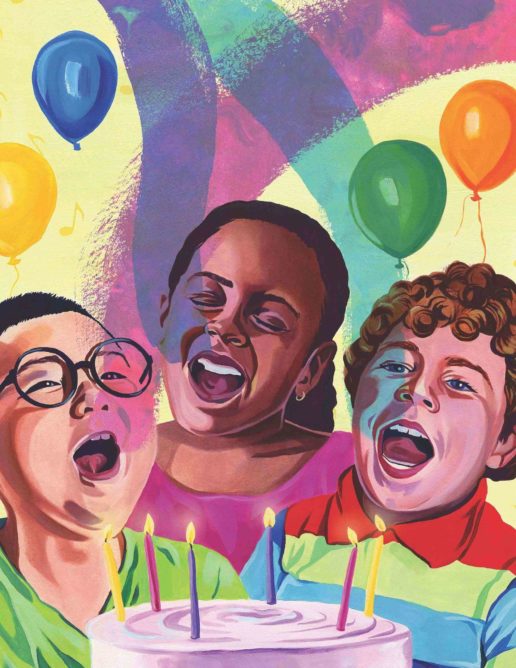
A kindergarten teacher looks at birthday celebrations in her classroom and whether all of her students’ home languages and rituals are being uplifted.
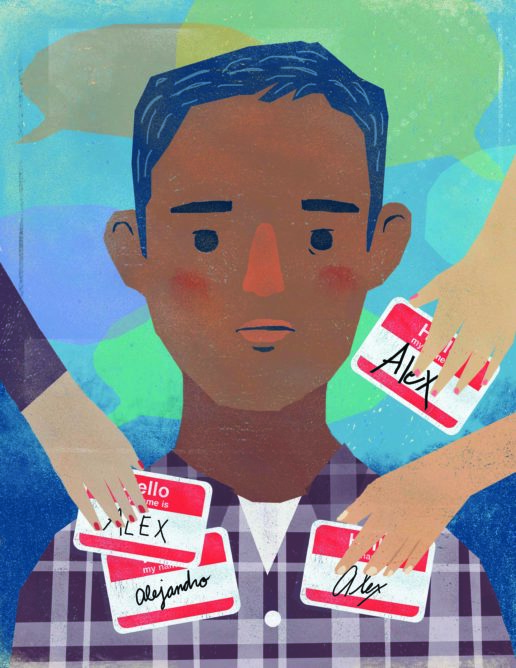
Students’ names are the first thing teachers know about the young people who enter our classrooms; they can signal country of origin, gender, language. Students’ names provide the first moment when a teacher can demonstrate their warmth and humanity, their commitment to seeing and welcoming students’ languages and cultures into the classroom.
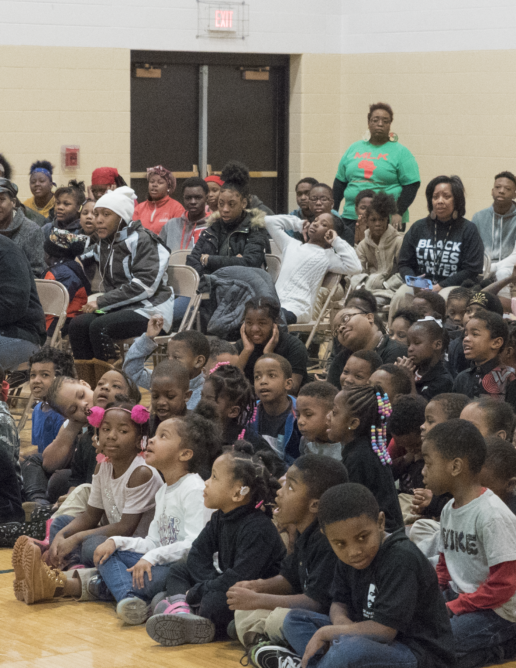
In an era when a U.S. president calls Haiti and African nations shithole countries; a time when hate crimes are on the rise; a time when Black students are suspended at four times the rate of white students; and a time when we have lost 26,000 Black teachers since 2002, building a movement for racial justice in the schools is an urgent task. Black lives will matter at schools only when this movement becomes a mass uprising that unites the power of educator unions and families to transform public education.
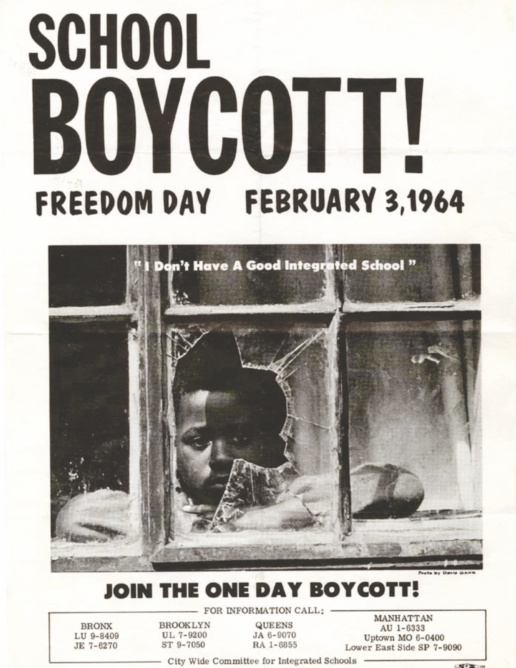
The largest civil rights protest wasn’t in the South, it was in New York City in 1964 when hundreds of thousands of students stayed home to protest school segregation. Here’s how today’s students reacted to a lesson about this historic boycott.
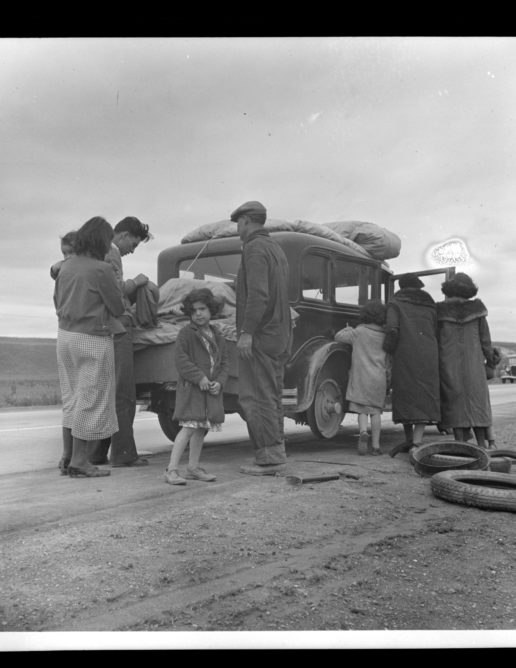
A social studies teacher describes the role play trial she developed around a largely forgotten period: when during the Great Depression the United States deported thousands of Mexican American families.
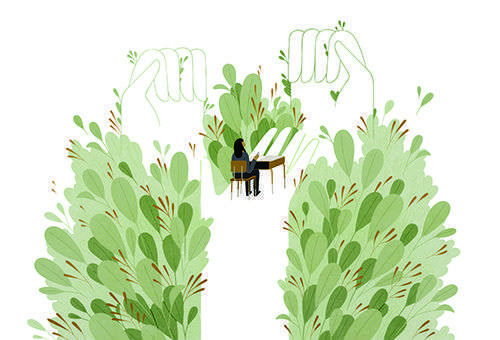
How we seed and support student activism will vary from community to community, school to school, and grade level to grade level. But this is a crucial moment in history, and what we do as educators matters. When we help students explore and analyze exploitation, injustice, and danger in the world, we can also help them develop the knowledge and skills to change it.
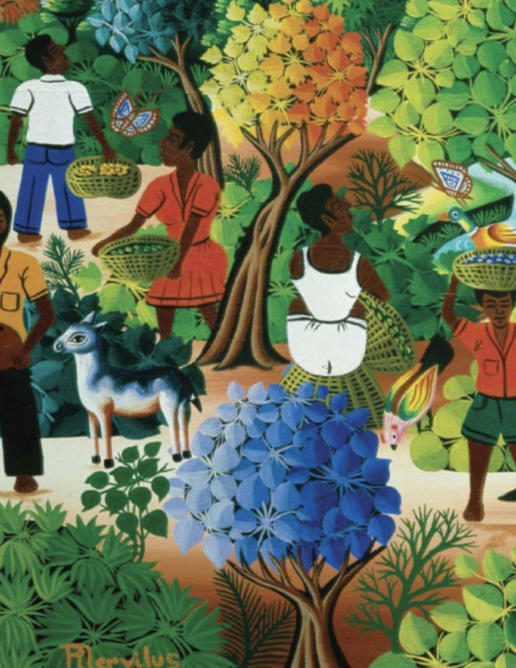
“Haiti is one of the poorest countries in the world.” That’s the only thing this Haitian American teacher remembers being taught in school about her family’s country of origin. She calls for a revolution in how educators teach Haiti.
A special education teacher uses poetry to help her middle school students write their own narratives and celebrate themselves.
A first-year teacher struggles with what it means to be a social justice educator.
How 4th-grade students in Southern California were helped by their teachers to develop curriculum surrounding the mass deportation of U.S. citizens of Mexican heritage in the 1930s and pass a law to investigate what happened.
SPECIAL REPORT: Education “reformers” are using the disaster in Puerto Rico to close hundreds of public schools and convert much of the school system to charters. But teachers, parents, and students are fighting back.
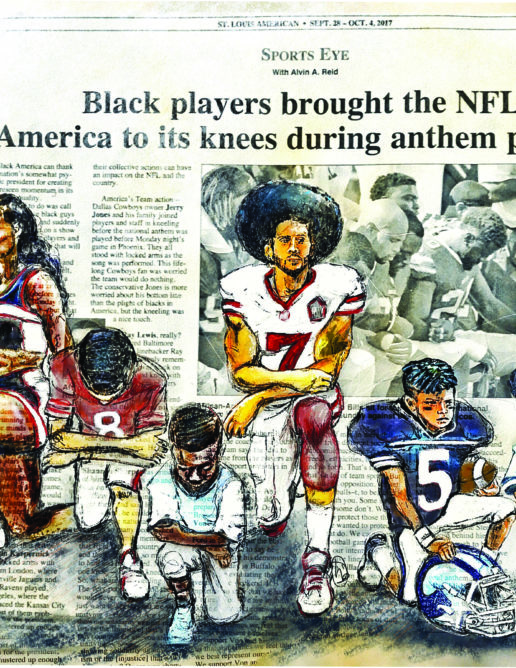
In the initial weeks of the 2016 football season, as Kaepernick’s fledgling protest began to take shape, critics bombarded him with insults and it was unclear what the response around the country would be. And that’s when Garfield, and high schools and students around the nation, stepped up to the challenge.
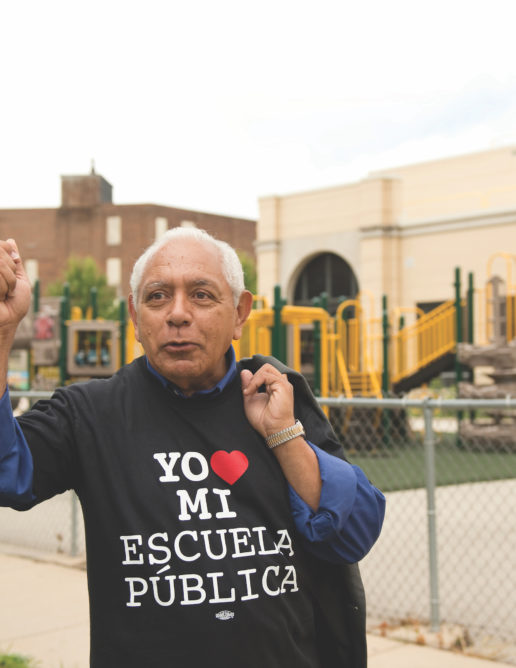
Organizer and advocate Tony Báez has been fighting for improved bilingual education programs for decades. In this interview, he talks about the current state of bilingual education and describes how parents and educators won a maintenance K-12 bilingual program in the Milwaukee Public Schools.
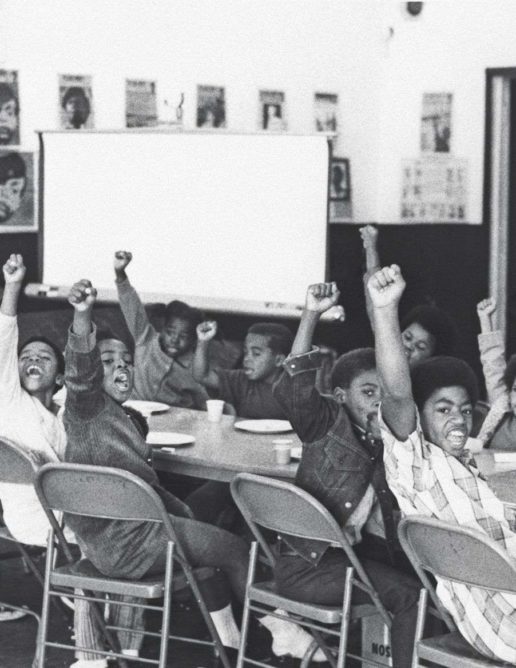
The history of the Black Panther Party holds vital lessons for today’s movement for Black lives and all movements to confront racism, inequality, and police violence. But our textbooks distort the significance of the Panthers — or exclude them completely.
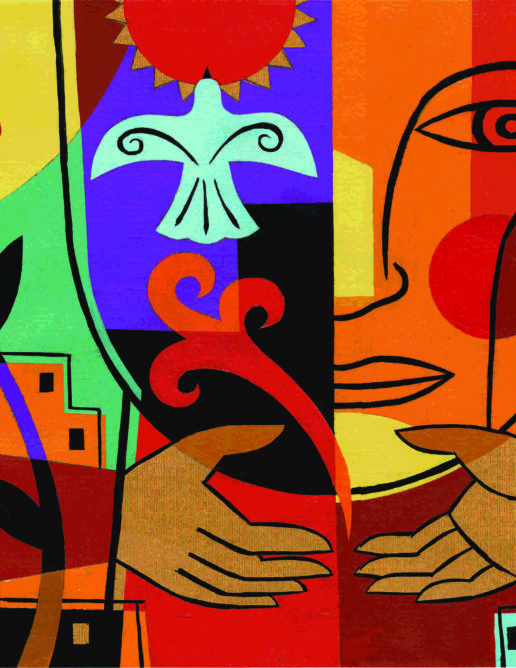
A teacher in a predominantly white school and classroom describes how she chose to protect and educate one of her Black students, rather than use him to educate her white students.
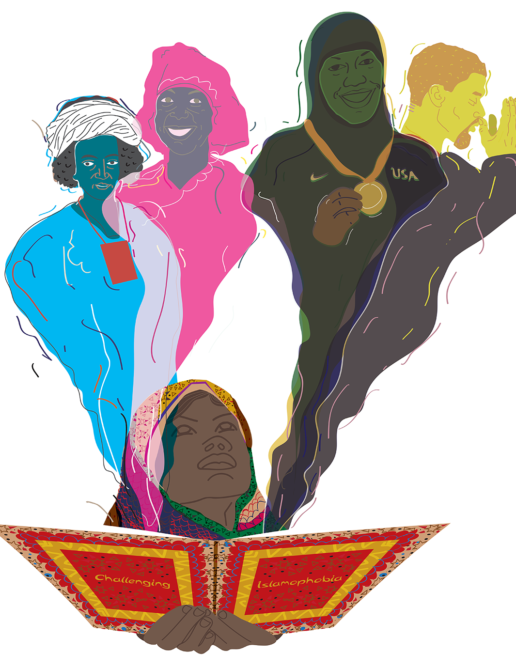
The increasing violence against Muslims, Sikhs, South Asians, and others targeted as Muslim, suggests we, as Americans, are becoming less tolerant and need educational interventions that move beyond post-9/11 teaching strategies that emphasize our peacefulness or oversimplify our histories, beliefs, and rituals in ways that often lead to further stereotyping.
A victory for ethnic studies in Arizona.
A teacher wrestles with explaining refugee crises, dictators, and the trauma of war to her 1st- and 2nd- grade classroom.
A neighborhood mapping exercise helps students develop their narrative writing and storytelling skills while also building classroom community by connecting home worlds to the curriculum. Adapted from the newly-released second edition of Reading, Writing, and Rising Up.

Using Marshallese poet and climate justice activist Kathy Jetñil-Kijiner’s poem “Dear Matafele Peinam,” a teacher helps 7th graders think about the sacred spaces in their own lives and how they will be affected by climate change.