Yuck! Worms Are Disgusting!
Fourth graders find their classroom worm bin offers ecological and social lessons.


Fourth graders find their classroom worm bin offers ecological and social lessons.

A role play on the Irish Potato Famine offers meaning for today.

When a new student arrives from an orphanage in China, a teacher rethinks classroom activities where children play with food.

When cash-strapped schools make deals with beverage companies, schools and students lose out.
A program helps young people develop healthy relationships to food and their bodies.

Students get a glimpse into the corporate-controlled food system by looking at the politics of food.
Resources to help teachers and students delve into the economics and politics of food.
Grub: Ideas for an Urban Organic KitchenBy Anna Lappé and Bryan Terry(Tarcher, 2006)256 pp. $12.89 Very rarely does a book as complete and engaging as Grub: Ideas for an Urban Organic […]
A teacher’s experience in England is a cautionary tale.
It takes more than a brilliant teacher or two to ensure that our youth leave school with the skills, confidence, and critical consciousness to be productive and thoughtful participants in the world. It takes vibrant school communities with strong, visionary leadership. The fall issue of Rethinking Schools shines a light on the possibilities when principals and superintendents buck the trend toward testing and standardization:
Facts and figures that chart the program’s history.

There’s an agenda behind the reading wars” and it harms teachers and students.”
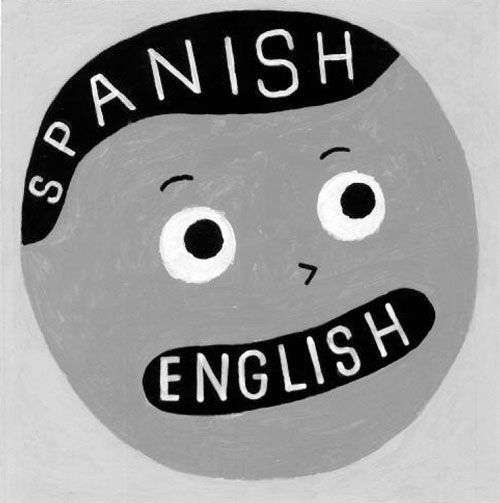
Why schools should help English-language learners become truly bilingual.
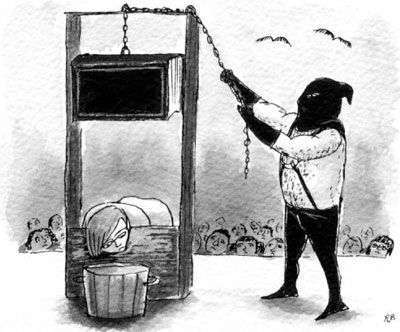
This wrongheaded approach robs teachers of their professional judgment.

How ETS’ computer-based writing assessment misses the mark.
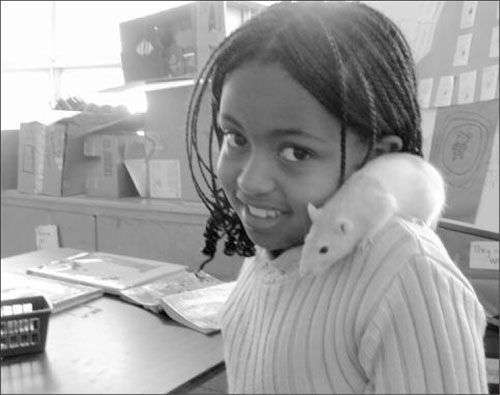
Kids get engaged with school through a campaign to win back their classroom animals.

The story of the Los Angeles Coalition Against Militarism in Our Schools.

After numerous trips to the U.S.-Mexico border, a teacher helps students explore free trade” and immigration.”
The border” is not simply a wall
Books a fourth-grade teacher has used to help students explore the lives of immigrant children.
A 5th-grade teacher uses the short story First Crossing” to promote empathy for Mexicans entering the United States without documents.”
As obesity, diabetes, eating disorders and other food-related health problems spiral out of control in the United States, it’s worth taking a look at not only what goes into our students’ mouths, but also what goes into their minds regarding food.

In the heart of fertile farmland, why does a school serve kids such awful food? Thoughts on the dramatic shift in young people’s relationship to food and the land.

Although it needs improvement, the federal school lunch program fills a need.

Americans use more than three times as much energy to obtain food than they do to fuel their homes, writes Starrs: The implications of agricultural energy use for the environment are disturbing.”