Students Galvanize for Immigrant Rights
This content is restricted to subscribers

This content is restricted to subscribers
This content is restricted to subscribers
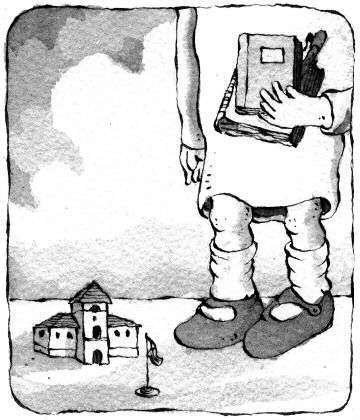
Do small schools change teaching practice?
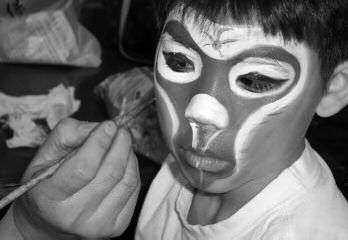
One of the founders of a folk arts-based school slated to open in Philadelphia this fall hopes small schools can create possibilities for reclaiming communities.
This content is restricted to subscribers
This content is restricted to subscribers
Budget cuts threaten one of the nation’s best multicultural institutions.
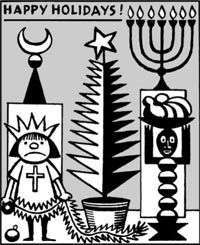
A first-year teacher’s naivety has repercussions.
Labelling schools low-performing” has consequences for all.”
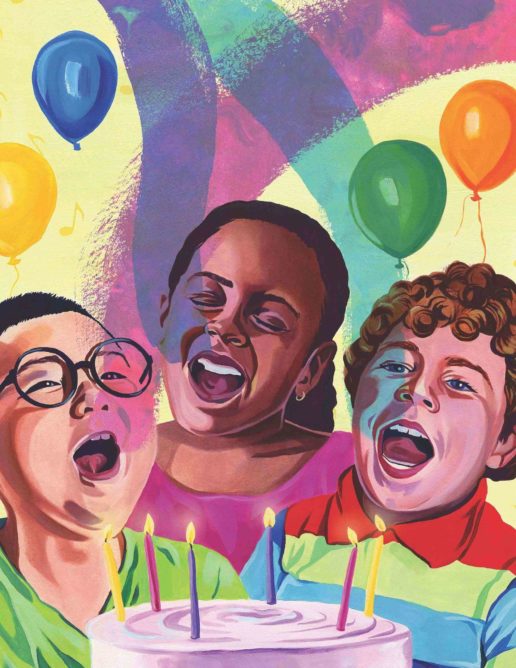
A kindergarten teacher looks at birthday celebrations in her classroom and whether all of her students’ home languages and rituals are being uplifted.
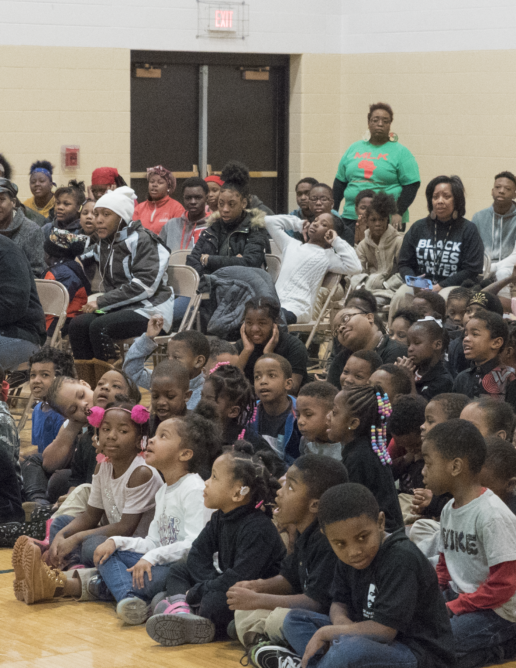
In an era when a U.S. president calls Haiti and African nations shithole countries; a time when hate crimes are on the rise; a time when Black students are suspended at four times the rate of white students; and a time when we have lost 26,000 Black teachers since 2002, building a movement for racial justice in the schools is an urgent task. Black lives will matter at schools only when this movement becomes a mass uprising that unites the power of educator unions and families to transform public education.
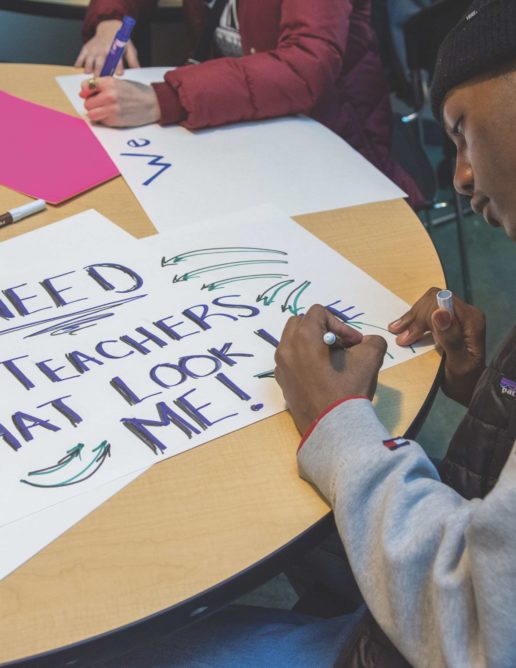
Every social justice educator should make building the BLM at School Week of Action during the first week of February a top priority.
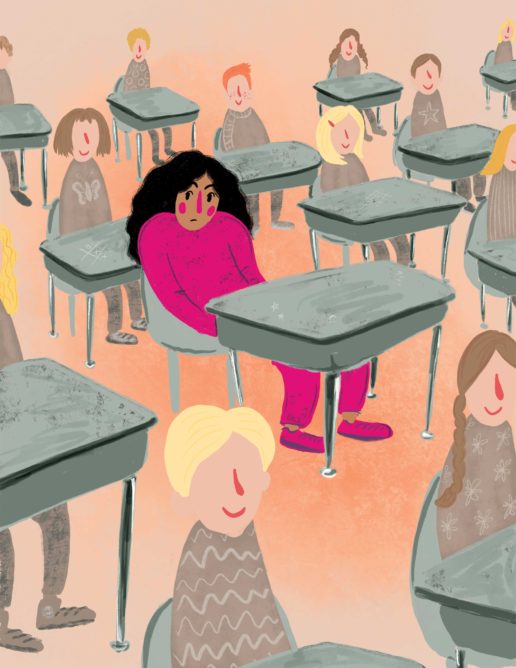
A Palestinian American mother describes the alienation that she felt in school, and how she draws on her experiences to imagine the schooling she wants for her children.
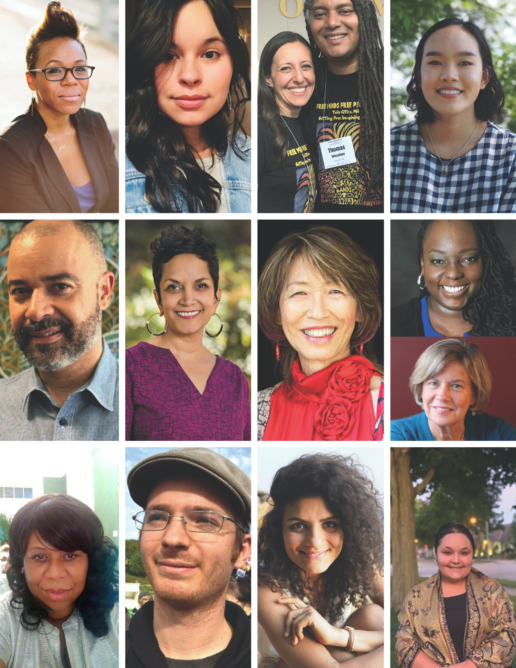
We asked a group of radical educators to weigh in on what they hoped would be part of any 2020 presidential candidate’s education platform.
A special education teacher uses poetry to help her middle school students write their own narratives and celebrate themselves.
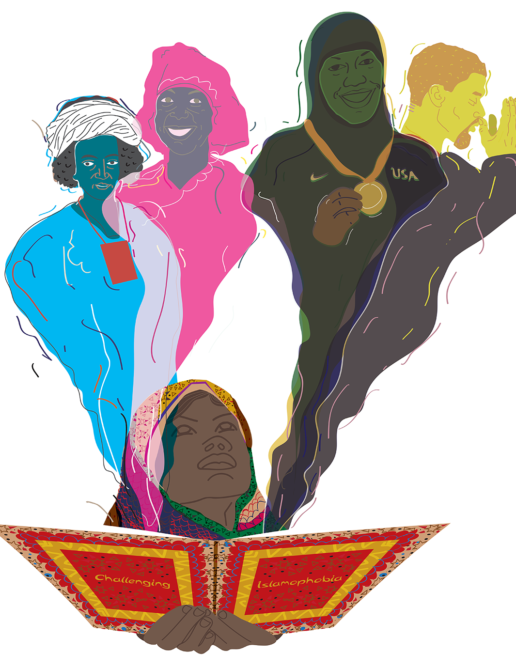
The increasing violence against Muslims, Sikhs, South Asians, and others targeted as Muslim, suggests we, as Americans, are becoming less tolerant and need educational interventions that move beyond post-9/11 teaching strategies that emphasize our peacefulness or oversimplify our histories, beliefs, and rituals in ways that often lead to further stereotyping.
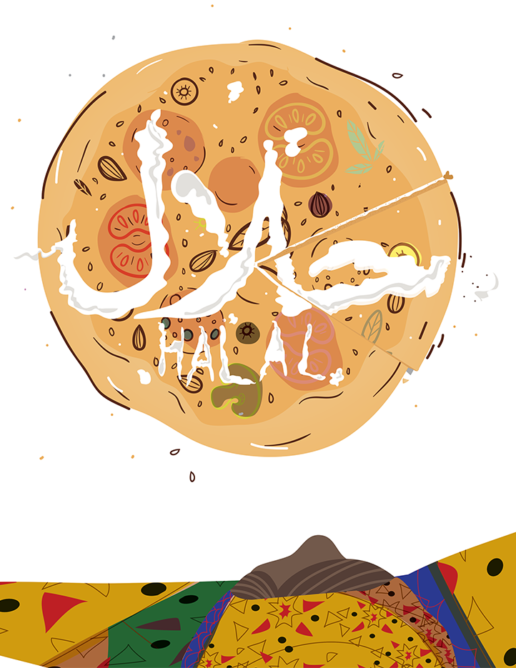
An elementary teacher tells how she works to include her Muslim students in the life of her classroom. “We can use or create curriculum and projects that allow students to learn about and incorporate their culture and religious practices if they want to. We can be deliberate in including, making space for, and recognizing our students in all aspects of their identities. Making schools inclusive doesn’t have to be a guessing game.”
A teacher in a predominantly white school and classroom describes how she chose to protect and educate one of her Black students, rather than use him to educate her white students.
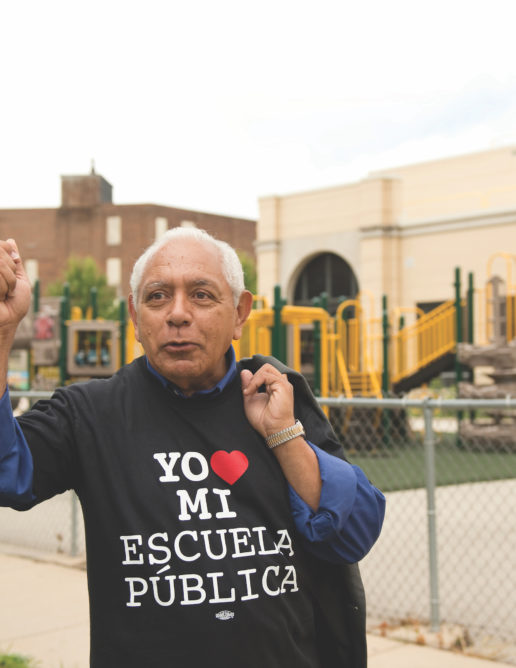
Organizer and advocate Tony Báez has been fighting for improved bilingual education programs for decades. In this interview, he talks about the current state of bilingual education and describes how parents and educators won a maintenance K-12 bilingual program in the Milwaukee Public Schools.
A teacher adapts the “Climate Change Mixer” designed for older students as a springboard for a unit on global warming and climate justice.
A neighborhood mapping exercise helps students develop their narrative writing and storytelling skills while also building classroom community by connecting home worlds to the curriculum. Adapted from the newly-released second edition of Reading, Writing, and Rising Up.
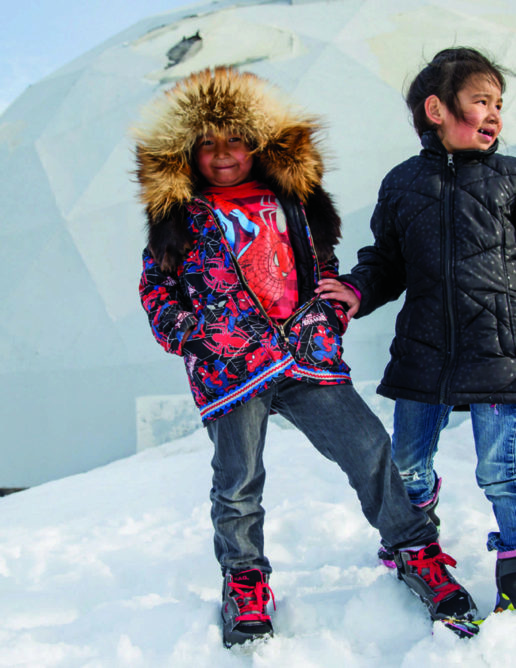
A journalist explores the way Indigenous language and community is connected to the classroom in several communities in Alaska, and explores how educators there have built new frameworks to fight against Eurocentric curriculum.
A victory for ethnic studies in Arizona.
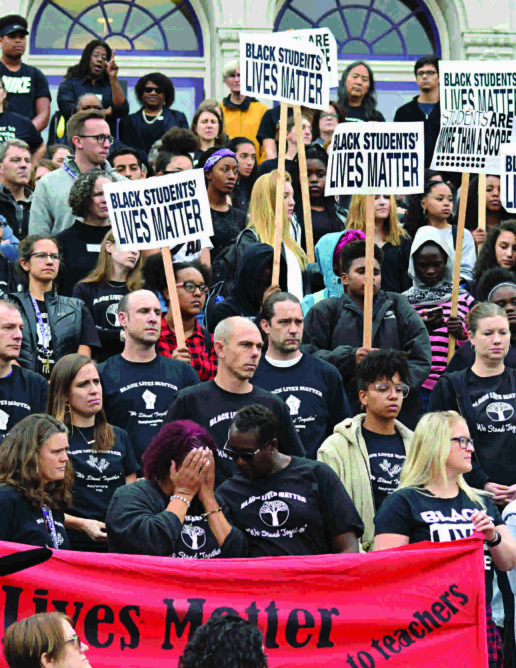
Teachers at one Seattle school show the important role educators have to play in the movement for Black lives, in part by creating a Black Lives Matter at School day, having 3,000 teachers wear Black Lives Matter T-shirts, and responding together to issues like the death of Charleena Lyles.
A kindergarten teacher uses images, literature, poetry, and collages — as well as her own history — to challenge students’ implicit bias and preconceived notions surrounding the color black and to teach the lesson that Black is beautiful.