An education researcher explores “no-excuses” discipline policies and the rate of out-of-school suspensions at charter schools in Denver and around the nation. “Democracy is healthiest when our educational institutions reflect our best virtues — creativity, joy, and growth. We must strengthen our oversight over no-excuses charter schools, thereby ensuring that no child in that city — or our country — is subjected to policies that could have been culled from one of Denver’s neighboring prisons.”
Check out these valuable resources, reviewed by Rethinking Schools editors and Teaching for Change colleagues.
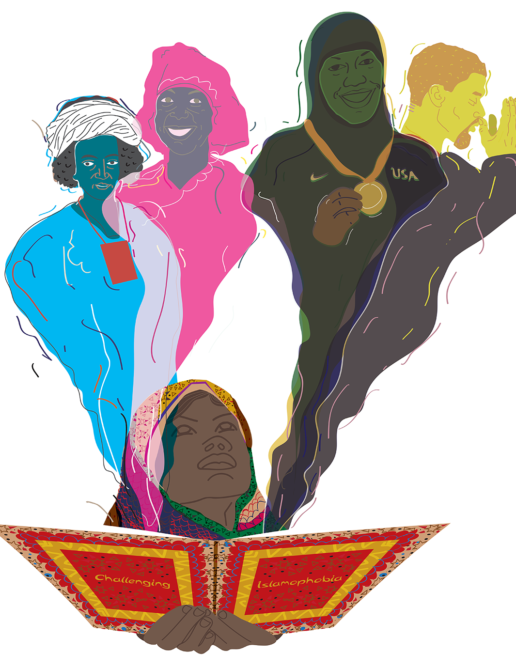
The increasing violence against Muslims, Sikhs, South Asians, and others targeted as Muslim, suggests we, as Americans, are becoming less tolerant and need educational interventions that move beyond post-9/11 teaching strategies that emphasize our peacefulness or oversimplify our histories, beliefs, and rituals in ways that often lead to further stereotyping.
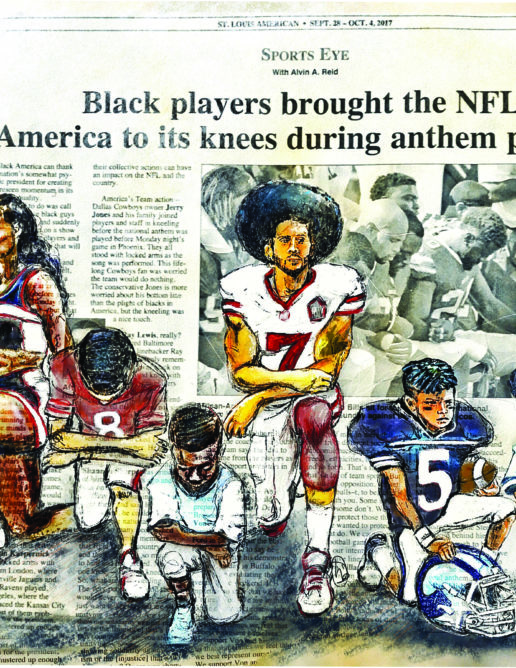
In the initial weeks of the 2016 football season, as Kaepernick’s fledgling protest began to take shape, critics bombarded him with insults and it was unclear what the response around the country would be. And that’s when Garfield, and high schools and students around the nation, stepped up to the challenge.
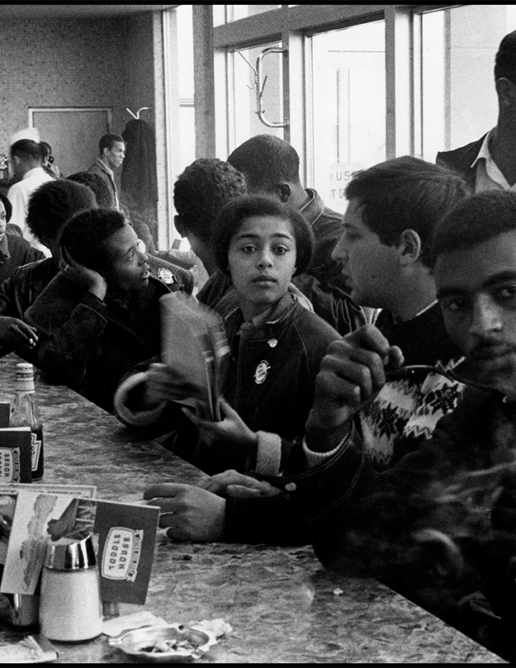
Teaching the history of the Student Nonviolent Coordinating Committee helps students see the Civil Rights Movement as being fueled by thousands of young people like themselves instead of a few charismatic leaders. “Without the history of SNCC at their disposal, students think of the Civil Rights Movement as one that was dominated by charismatic leaders and not one that involved thousands of young people like themselves. Learning the history of how young students risked their lives to build a multigenerational movement against racism and for political and economic power allows students to draw new conclusions about the lessons of the Civil Rights Movement and how to apply them to today.”
A middle school English teacher calls for an end to separating students into groups of “gifted” and “not gifted” and argues that labeling students damages them — and us. “We are going down too many roads that push too many of our children aside, reinforcing the worst of our society’s racist and classist limitations. Let us push back hard.”
I was just about to finish my second year teaching 2nd grade. It was the first week of June and school was quickly coming to a close. The sun was out and everyone’s energy was extraordinarily high. We were in Seattle after all; when the sun comes around, you rejoice. One morning that week I came to work and noticed I had an email from a parent. This was a parent I had a good relationship with, and she often checked in to see how her daughter was doing. But this email was different. The mother explained that her daughter had been cornered at recess the previous day by some boys who were also 2nd graders. The boys grabbed, groped, and humped her. They told her they were going to have sex with her. Her daughter told them to stop and to leave her alone, but they persisted. As this sweet one told her story of shame, confusion, and hurt to her family later that day, she became so upset that she threw up in the car. Her mother knew this wasn’t a miscommunication or misunderstanding.
To all of my students: I believe you.
Every Monday morning Lilly would walk into our 1st-grade classroom with downcast eyes and a heavy heart. She would wait for everyone to settle in and then quietly beckon me over to her seat and say, “My head hurts.”
It became a routine. I would stroke her head and say, “I know you miss your dad. Let’s try participating in school and see if it helps you feel better.” This seems like a reasonable response from a seasoned veteran teacher in her 31st year of teaching. My message to Lilly was I understand children, I understand your life, and I know what is best for you.
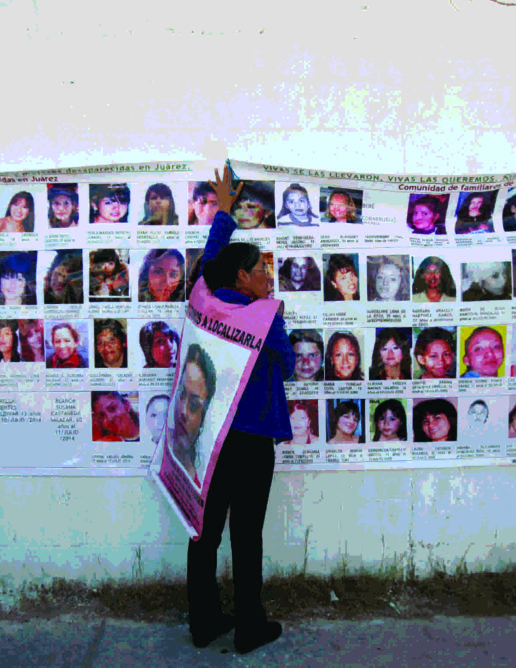
Since 1993, the Mexican border city of Ciudad Juárez has been shaken by disappearances of teenage girls and young women. Officials say they have few leads. The murders in Juárez have received some international attention, primarily due to government inaction. Yet little has been done by the government to prevent violence against women and girls, as officials neglect to bring their perpetrators to justice.
Residents do not let these deaths go unnoticed as hundreds of pink crosses — a symbol of these missing women — dot the border. An increase in these deaths coincided with the implementation of the North American Free Trade Agreement (NAFTA). A treaty between Mexico, the United States, and Canada, NAFTA sought to increase investment opportunities by eliminating tariffs and, like many other economic agreements, benefited the economic elites of the three countries while resulting in widespread unemployment, increased class stratification, and mass emigration. Most of the “disappeared” women work in assembly plants or maquiladoras, owned by the United States and transnational corporations that dashed to northern Mexico post-NAFTA to reap the benefits of lower wages and lax environmental regulation.
During a recent conversation, a former high school classmate said, “I always wondered why you left Eureka. I heard that something shameful happened, but I never knew what it was.”
Yes, something shameful happened. My former husband beat me in front of the Catholic Church in downtown Eureka. He tore hunks of hair from my scalp, broke my nose, and battered my body. It wasn’t the first time during the nine months of our marriage. When he fell into a drunken sleep, I found the keys he used to keep me locked inside and I fled, wearing a bikini and a bloodied white fisherman’s sweater. For those nine months I had lived in fear of his hands, of drives into the country where he might kill me and bury my body. I lived in fear that if I fled, he might harm my mother or my sister.
I carried that fear and shame around for years. Because even though I left the marriage and the abuse, people said things like “I’d never let some man beat me.” There was no way to tell them the whole story: How growing up and “getting a man” was the goal, how making a marriage work was my responsibility, how failure was a stigma I couldn’t bear.
Using the experience of high school exit testing in New Jersey as an example, Stan Karp analyzes the gross negative impact of these high-stakes tests on students and schools.
A middle school teacher describes the trauma experienced by his students over the year and struggles to create meaningful hope rather than slogans.
Students analyze cartoons from Popeye to Brave to see how media teaches children white- and male-supremacist ideas.
Recently, a Rethinking Schools editor was a chaperone on a field trip when he overheard a 2nd-grade student talking about how he wanted to “nuke the world.” Taken aback, he […]
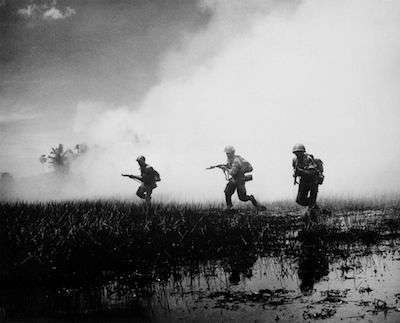
A teacher uses poetry and the creation of found poems as a way to get her students to think beyond the simple “two sides to every story” narrative of the Vietnam War.
“Ugh, Dress Codes!” The title of one of 15-year-old Izzy Labbe’s SPARK Movement blog posts encapsulates what I’ve heard so many girls say they feel about their middle and high […]
This is the first issue of Rethinking Schools magazine in eight years for which Jody Sokolower was not the managing editor. Jody stepped down in April to focus on local […]
A teacher wrestles with explaining refugee crises, dictators, and the trauma of war to her 1st- and 2nd- grade classroom.
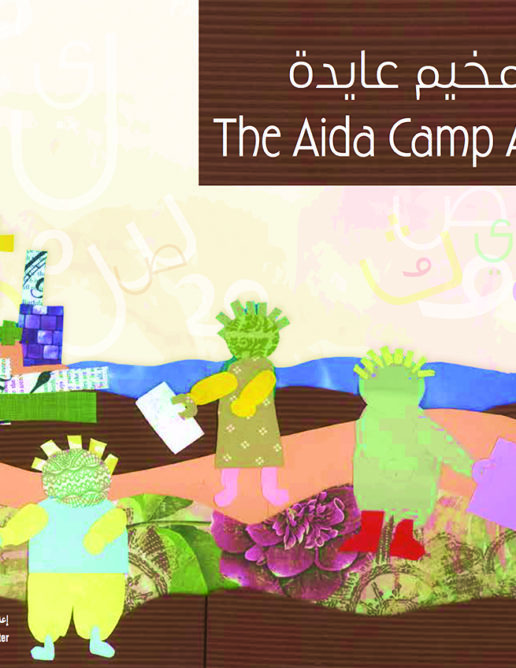
A neighborhood mapping exercise helps students develop their narrative writing and storytelling skills while also building classroom community by connecting home worlds to the curriculum. Adapted from the newly-released second edition of Reading, Writing, and Rising Up.
Check out these valuable resources, reviewed by Rethinking Schools editors and Teaching for Change colleagues.
Using Marshallese poet and climate justice activist Kathy Jetñil-Kijiner’s poem “Dear Matafele Peinam,” a teacher helps 7th graders think about the sacred spaces in their own lives and how they will be affected by climate change.
A teacher adapts the “Climate Change Mixer” designed for older students as a springboard for a unit on global warming and climate justice.
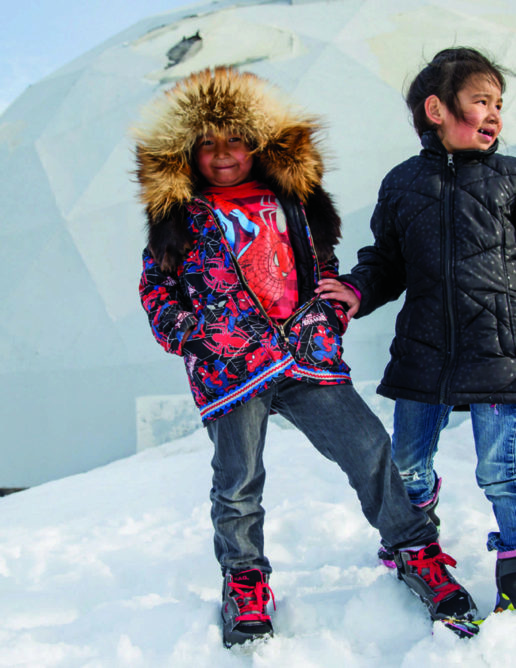
A journalist explores the way Indigenous language and community is connected to the classroom in several communities in Alaska, and explores how educators there have built new frameworks to fight against Eurocentric curriculum.
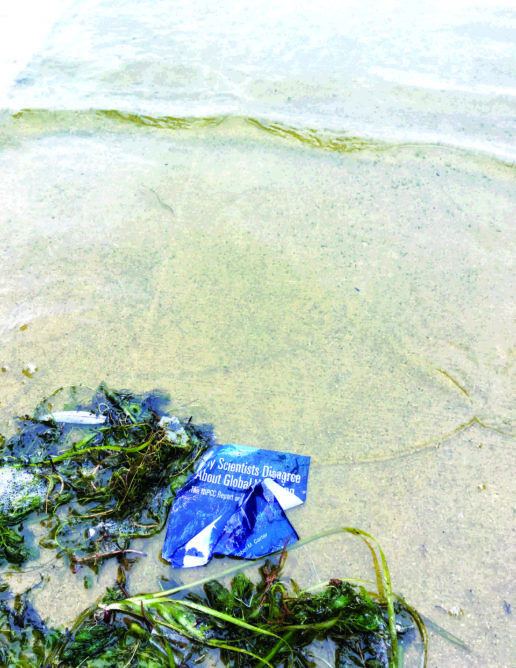
A teacher shows his 3rd- and 4th-grade students the Heartland Institute’s climate change denial book that was sent to every science teacher in the nation.
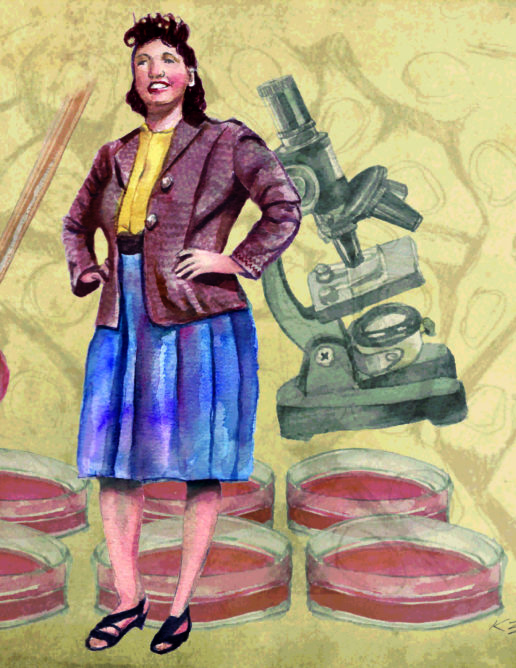
A science teacher includes Black voices and Black history in her classroom by building curriculum around The Immortal Life of Henrietta Lacks. In doing so, she shows how nonfiction books should not be relegated to language arts but can be effective in a science classroom.