Students “Warrior Up” for Climate Justice
The third installment of our new environmental justice column celebrates the annual two-day Climate Justice Fair at Madison High School in Portland.

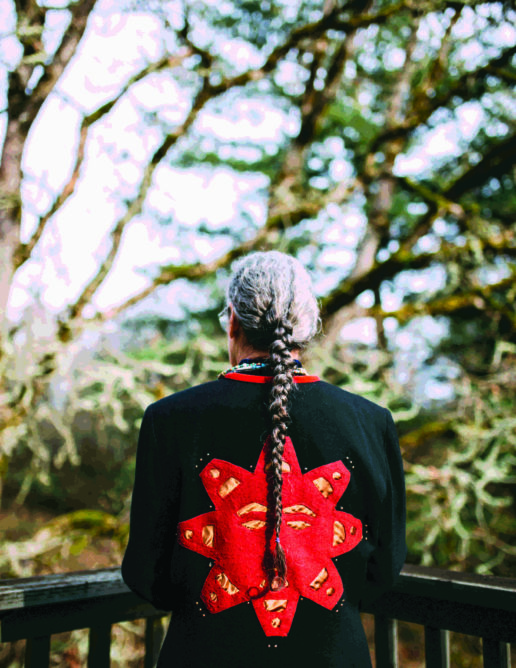
The third installment of our new environmental justice column celebrates the annual two-day Climate Justice Fair at Madison High School in Portland.
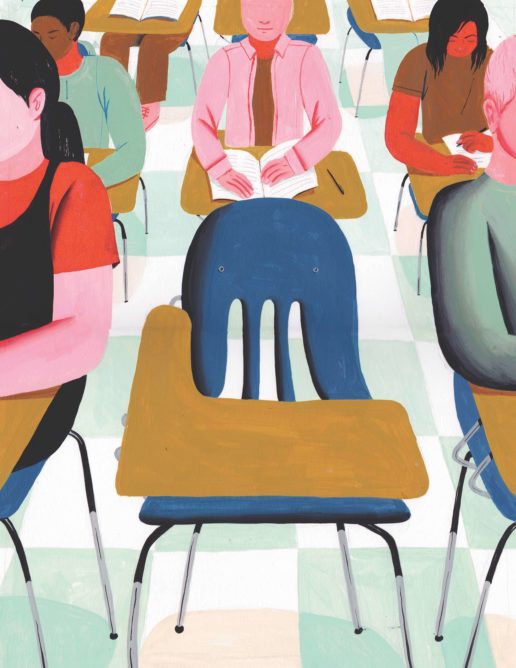
A high school teacher explores how the dynamics of a classroom can change when a student leaves and what the effects can be on that student, the other students, and the teacher.
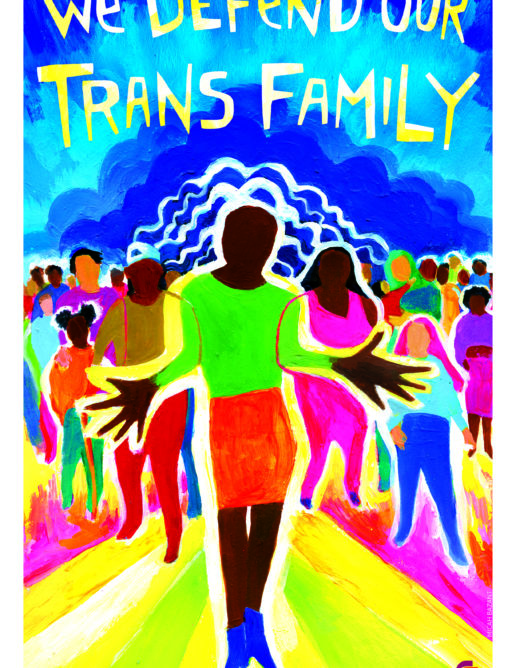
What can teachers, schools, and districts do to meet the needs of trans students? To make them visible? To keep them alive? To celebrate them?
The staff advisor for their high school’s Queer-Straight Alliance delves into the complexities of a student-led training for teachers on the importance of using students’ preferred pronouns.
The ongoing, persistent verbal and physical violence against women, youth, and LGBTQ communities has not been adequately addressed in most schools. Instead of educating children and youth about gender equity and sexual harassment, schools often create a culture that perpetuates stigma, shame, and silence. Student-on-student sexual assault and harassment occurs on playgrounds, in bathrooms and locker rooms, on buses, and down isolated school hallways. Students experience sexualized language and inappropriate touching, as well as forced sexual acts. And they encounter these at formative stages of their lives that leave scars and shape expectations for a lifetime. What isn’t addressed critically in schools becomes normalized and taken for granted.
Right away I recognized her. Ruby Bridges. The courageous girl who defied white racists and became the first to integrate an all-white elementary school. My 7-year-old son pulled a handout out of his backpack with her face on it. He is in a bilingual, two-way immersion program at our local elementary school. As is our custom on Friday, we emptied his backpack and sorted the contents. We determined what needed to be recycled, what would be hung on our whiteboard, and what needed to be stored in my Things-to-take-care-of box by the fridge. I smiled, because as a former history teacher and lover of Black history, I was happy to see my son learning about this important historical moment. And then, I took a closer look and saw that it was in Spanish. I was elated as it dawned on me that my son truly is emergent bilingual. “Caleb, what’s this about? Did you read this in school?”
at the West tip of Texas
a line divides us from them
and on the other side
they all look like me
yet on my side we sit passively nearby
while the other side allows a slow genocide
“We have something to tell you but we’re worried about getting you too involved. We don’t want to get you in trouble,” Baylee and Zaida whispered excitedly as they wiggled through the crack in my classroom door on my prep. I was confused to see them in such high spirits because earlier in the day they had been crushed by news from our administration. For more than two months they had been part of our Restorative Justice club that had been planning two half-day workshops around women empowerment for female-identifying students and toxic masculinity for male-identifying students. The club of 11 demographically diverse students had been urging adults in our building to do something about sexual harassment since October, when they made sexual assault and harassment their Restorative Justice club theme of the month and visited 9th grade classes to lead circles on the topic. This opened up a door for 9th graders to continue to reach out to upperclassmen about the harassment they were facing.
SPECIAL REPORT: Education “reformers” are using the disaster in Puerto Rico to close hundreds of public schools and convert much of the school system to charters. But teachers, parents, and students are fighting back.
There’s much that we as educators can do to combat gun violence and get guns out of our schools. One of our roles as teachers is to guide students to examine the roots of an issue.
How 4th-grade students in Southern California were helped by their teachers to develop curriculum surrounding the mass deportation of U.S. citizens of Mexican heritage in the 1930s and pass a law to investigate what happened.
A first-year teacher struggles with what it means to be a social justice educator.
Trump supporter Carl Paladino’s racism, misogyny, and transphobia galvanized community members to oust him from the Buffalo School Board. Their struggle also laid the groundwork for new coalitions and progressive change.
A special education teacher uses poetry to help her middle school students write their own narratives and celebrate themselves.
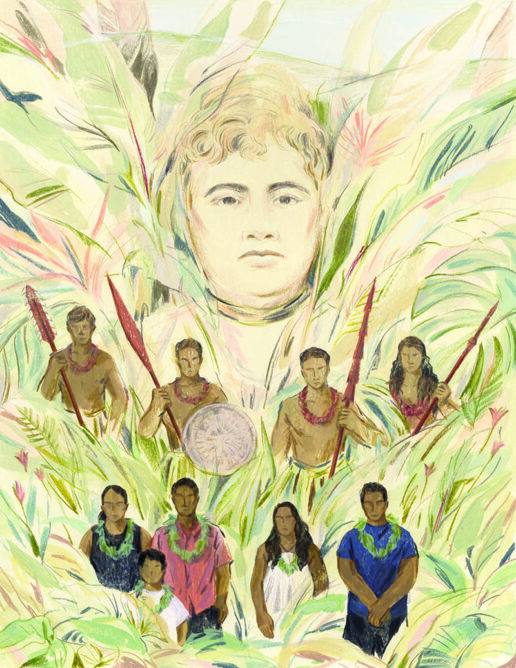
A high school teacher uses the #MeToo movement and students’ own experiences with apologies to interrogate the government’s 1993 apology to Native Hawaiians for the 1893 overthrow of the Kingdom of Hawai’i.
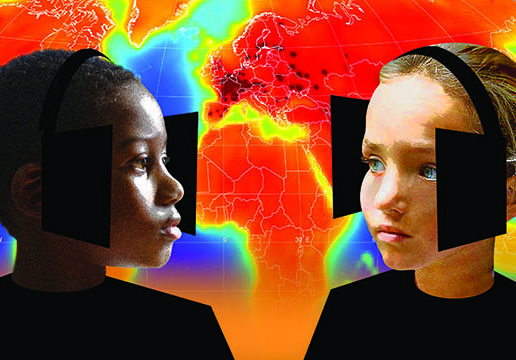
The second installment of our new environmental justice column focuses on one part of a resolution passed by the Portland, Oregon, school board that mandates the school district not use text material that doubts “the severity of the climate crisis or its root in human activities.”
The wave of struggles sweeping through the United States are more than “red state” revolts. They are rebellions against the austerity and privatization that has been driving federal and state economic policy for decades. The dynamics and political landscape are different in each state. However, almost all of the states where statewide actions have occurred are right-to-work states, which have seen the steepest cuts in school funding and sharpest erosion of teacher pay and benefits. These states are less likely to have collective bargaining rights and local district contracts. This puts more focus on state budgets and state decisions about healthcare and pensions, and encourages statewide action focused on the legislature. Consequently, many of the walkouts have been more akin to mass political protests seeking broad changes in public policy. But other common factors underlying these grassroots protests are likely to keep rebellion spreading to “purple” states like Colorado (where there was a walkout in April) and North Carolina (May) and beyond. Almost everywhere in “red states” and “blue states” alike, budget and tax policy has been used to erode social services, shrink public space, undermine union power, and transfer wealth upward, all the while making the lives of working people harder.
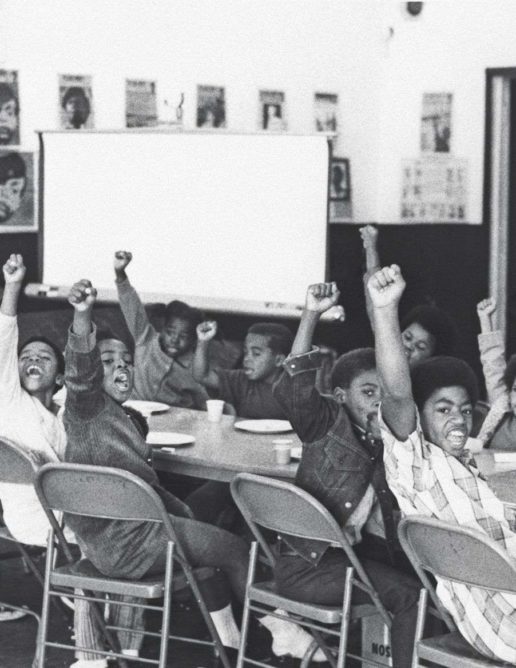
The history of the Black Panther Party holds vital lessons for today’s movement for Black lives and all movements to confront racism, inequality, and police violence. But our textbooks distort the significance of the Panthers — or exclude them completely.
A teacher in a predominantly white school and classroom describes how she chose to protect and educate one of her Black students, rather than use him to educate her white students.
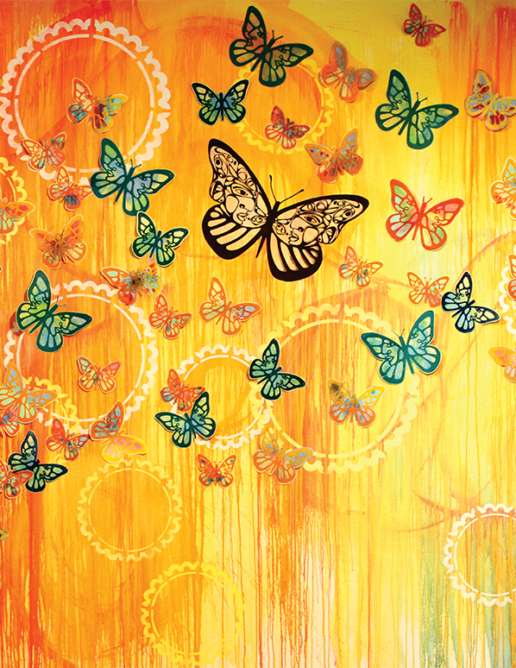
It has always been an educator’s responsibility to act in solidarity with vulnerable students. But with President Donald Trump’s September declaration that he will end DACA, we are called on to be more audacious, more resolute, and more imaginative in our solidarity with the 800,000 undocumented young people who now face a frightening uncertainty about their future in the United States.
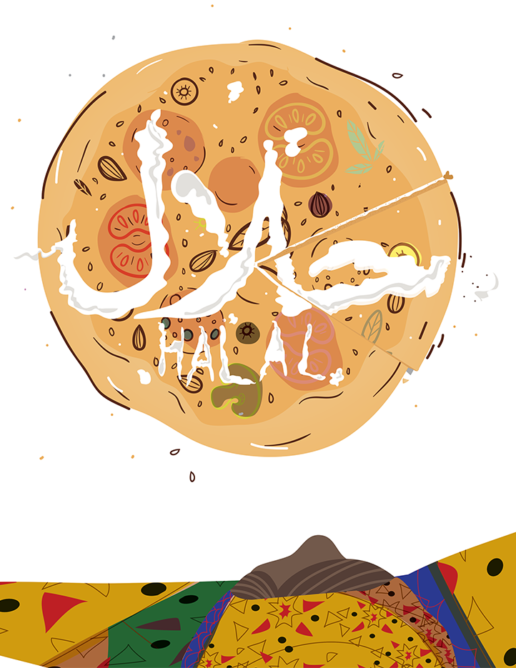
An elementary teacher tells how she works to include her Muslim students in the life of her classroom. “We can use or create curriculum and projects that allow students to learn about and incorporate their culture and religious practices if they want to. We can be deliberate in including, making space for, and recognizing our students in all aspects of their identities. Making schools inclusive doesn’t have to be a guessing game.”
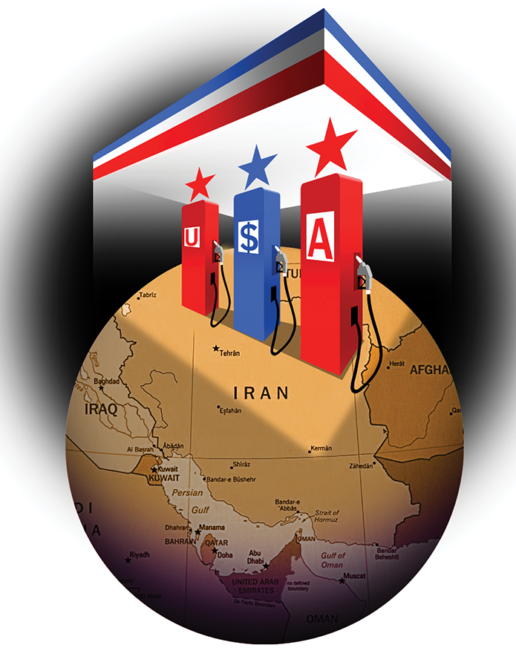
A high school teacher critiques the textbook treatment of the Cold War and U.S. imperialism. She describes her approach to the “curricular conundrum” that the Cold War presents because it lasted so long, and was so far-flung. “”If we are ever to create a different world, one in which the United States does not cast an outsized and militarized shadow across the globe, we need our students to understand how and why that shadow was created in the first place.”
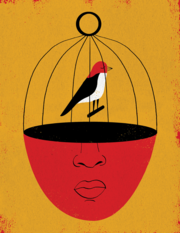
An education researcher explores “no-excuses” discipline policies and the rate of out-of-school suspensions at charter schools in Denver and around the nation. “Democracy is healthiest when our educational institutions reflect our best virtues — creativity, joy, and growth. We must strengthen our oversight over no-excuses charter schools, thereby ensuring that no child in that city — or our country — is subjected to policies that could have been culled from one of Denver’s neighboring prisons.”
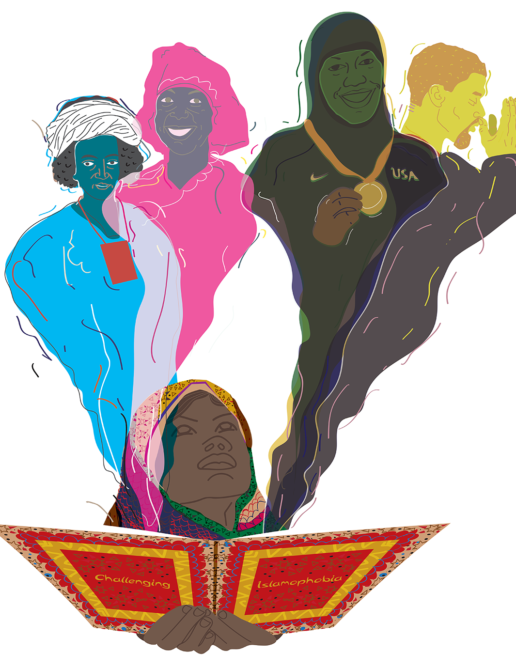
The increasing violence against Muslims, Sikhs, South Asians, and others targeted as Muslim, suggests we, as Americans, are becoming less tolerant and need educational interventions that move beyond post-9/11 teaching strategies that emphasize our peacefulness or oversimplify our histories, beliefs, and rituals in ways that often lead to further stereotyping.
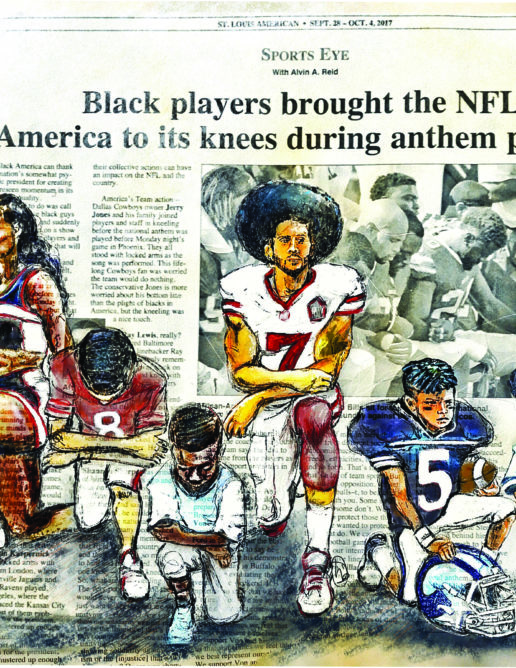
In the initial weeks of the 2016 football season, as Kaepernick’s fledgling protest began to take shape, critics bombarded him with insults and it was unclear what the response around the country would be. And that’s when Garfield, and high schools and students around the nation, stepped up to the challenge.