Schools That Change Communities
Bob Gliner’s film focuses on five schools in very different communities. Together, they provide a view of what is possible when education is grounded in civic engagement.

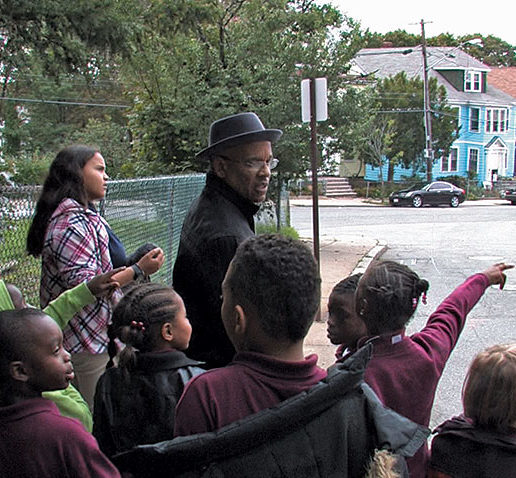
Bob Gliner’s film focuses on five schools in very different communities. Together, they provide a view of what is possible when education is grounded in civic engagement.
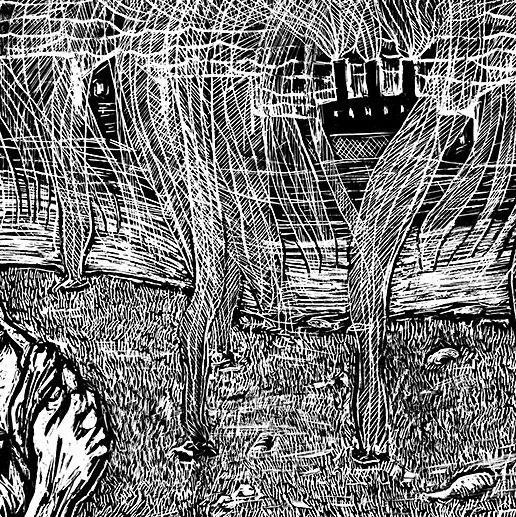
A high school social studies teacher uses videos and frank discussion to lead students in a study of the sanitation crisis in poverty-stricken areas of the world, and the connection to global patterns of wealth and power.
Seniors write admissions essays based on something they feel passionate about, discovering at the same time that they are “college material.”
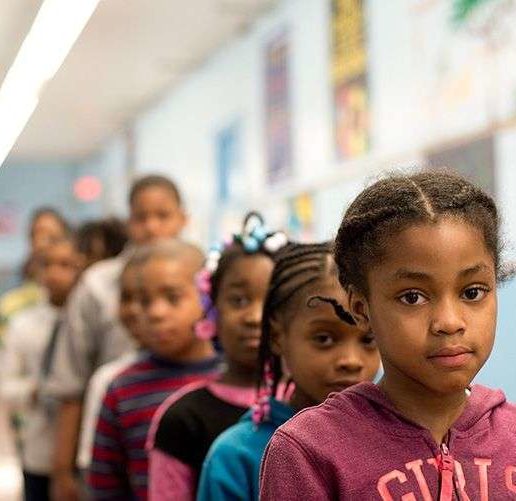
The story of the development, challenges, and successes of a support group for Black girls at an Oakland, California, high school.
This content is restricted to subscribers
This content is restricted to subscribers
This content is restricted to subscribers
Third-grader Sabrina isn’t thriving in her self-contained special education classroom. Her parents believe that she would do better in an inclusion classroom, and they collaborate with teachers and staff to make it a success.
A teacher educator is hired as a mentor by a turnaround school’s new principal. He soon realizes he is being asked to cover for getting rid of an excellent teacher of color.
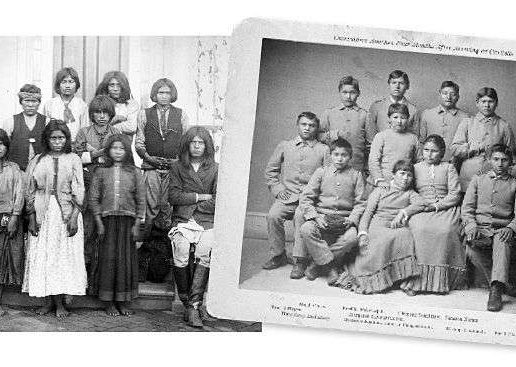
Parallels in the oppressive history of residential schools for Native American and Deaf children help Deaf students better understand their history and culture.
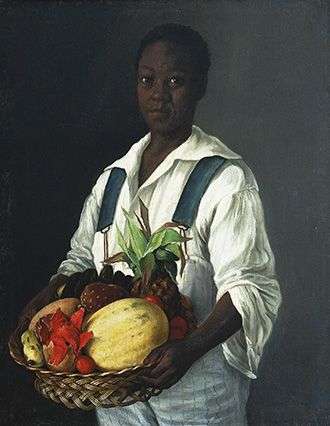
Latina/o students explore the impact of African roots on Mexican culture and history.
This content is restricted to subscribers
In May 2016, while I was carrying out ethnographic research in the Kakuma Refugee Camp in Kenya, a Form 4 (12th grade) history teacher asked me if I would teach his students about U.S. democracy. We flipped through the history and government textbook to one of the last chapters where the national curriculum outlined political systems in Kenya, England, India, and the United States. It was a peculiar moment to put the U.S. democratic system on display.
Right away I recognized her. Ruby Bridges. The courageous girl who defied white racists and became the first to integrate an all-white elementary school. My 7-year-old son pulled a handout out of his backpack with her face on it. He is in a bilingual, two-way immersion program at our local elementary school. As is our custom on Friday, we emptied his backpack and sorted the contents. We determined what needed to be recycled, what would be hung on our whiteboard, and what needed to be stored in my Things-to-take-care-of box by the fridge. I smiled, because as a former history teacher and lover of Black history, I was happy to see my son learning about this important historical moment. And then, I took a closer look and saw that it was in Spanish. I was elated as it dawned on me that my son truly is emergent bilingual. “Caleb, what’s this about? Did you read this in school?”
at the West tip of Texas
a line divides us from them
and on the other side
they all look like me
yet on my side we sit passively nearby
while the other side allows a slow genocide
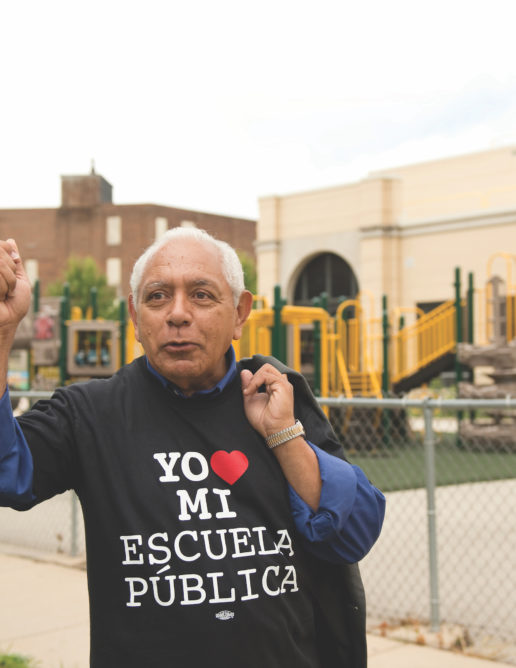
Organizer and advocate Tony Báez has been fighting for improved bilingual education programs for decades. In this interview, he talks about the current state of bilingual education and describes how parents and educators won a maintenance K-12 bilingual program in the Milwaukee Public Schools.
A teacher wrestles with her frustrations with having to administer a standardized test that she wouldn’t even allow her own daughter to take. “Fourteen days I enforced SBAC testing to be the priority of our classroom learning — or rather, our classroom “unlearning.” Fourteen days SBAC took away.”

An elementary teacher tells how she works to include her Muslim students in the life of her classroom. “We can use or create curriculum and projects that allow students to learn about and incorporate their culture and religious practices if they want to. We can be deliberate in including, making space for, and recognizing our students in all aspects of their identities. Making schools inclusive doesn’t have to be a guessing game.”
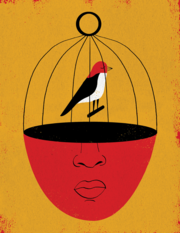
An education researcher explores “no-excuses” discipline policies and the rate of out-of-school suspensions at charter schools in Denver and around the nation. “Democracy is healthiest when our educational institutions reflect our best virtues — creativity, joy, and growth. We must strengthen our oversight over no-excuses charter schools, thereby ensuring that no child in that city — or our country — is subjected to policies that could have been culled from one of Denver’s neighboring prisons.”
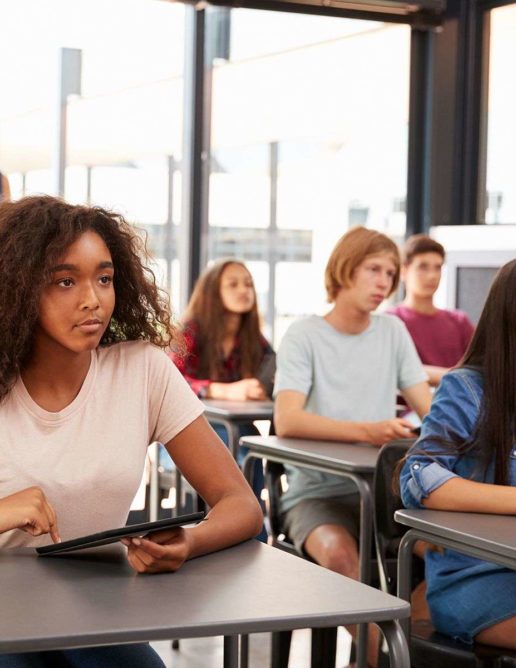
A middle school English teacher calls for an end to separating students into groups of “gifted” and “not gifted” and argues that labeling students damages them — and us. “We are going down too many roads that push too many of our children aside, reinforcing the worst of our society’s racist and classist limitations. Let us push back hard.”
I was just about to finish my second year teaching 2nd grade. It was the first week of June and school was quickly coming to a close. The sun was out and everyone’s energy was extraordinarily high. We were in Seattle after all; when the sun comes around, you rejoice. One morning that week I came to work and noticed I had an email from a parent. This was a parent I had a good relationship with, and she often checked in to see how her daughter was doing. But this email was different. The mother explained that her daughter had been cornered at recess the previous day by some boys who were also 2nd graders. The boys grabbed, groped, and humped her. They told her they were going to have sex with her. Her daughter told them to stop and to leave her alone, but they persisted. As this sweet one told her story of shame, confusion, and hurt to her family later that day, she became so upset that she threw up in the car. Her mother knew this wasn’t a miscommunication or misunderstanding.
Using the experience of high school exit testing in New Jersey as an example, Stan Karp analyzes the gross negative impact of these high-stakes tests on students and schools.
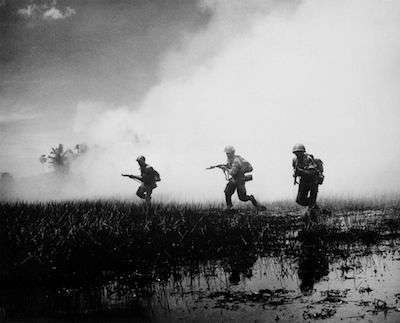
A teacher uses poetry and the creation of found poems as a way to get her students to think beyond the simple “two sides to every story” narrative of the Vietnam War.
A teacher wrestles with explaining refugee crises, dictators, and the trauma of war to her 1st- and 2nd- grade classroom.
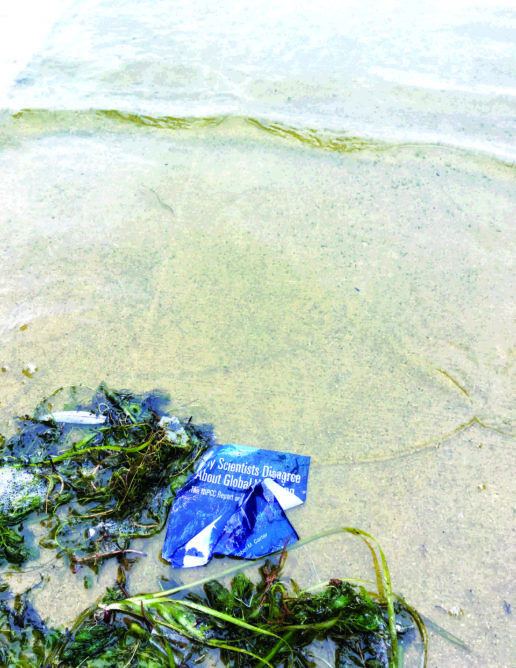
A teacher shows his 3rd- and 4th-grade students the Heartland Institute’s climate change denial book that was sent to every science teacher in the nation.