Science Language for All
Oogenesis? Heterozygous? Science vocabulary can be difficult for students, especially English language learners. A science teacher describes how she reorients science classrooms to make vocabulary accessible.


Oogenesis? Heterozygous? Science vocabulary can be difficult for students, especially English language learners. A science teacher describes how she reorients science classrooms to make vocabulary accessible.
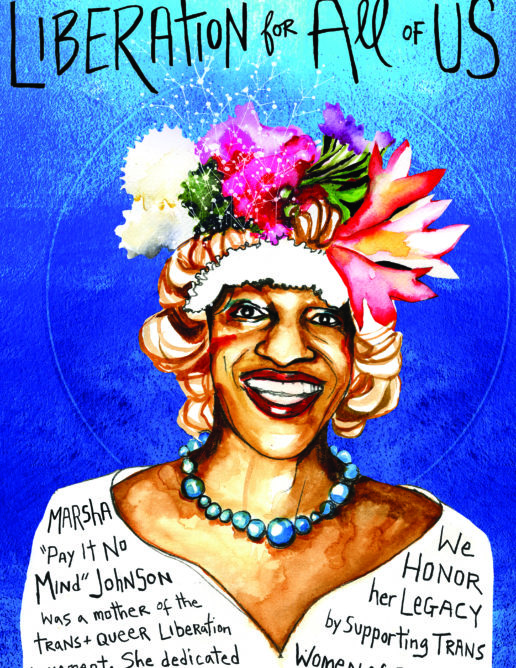
A Black freedom organizer demands that teachers and activists radically change their frameworks around Black history by lifting up the stories of Black LGBTQ people like Marsha P. Johnson.
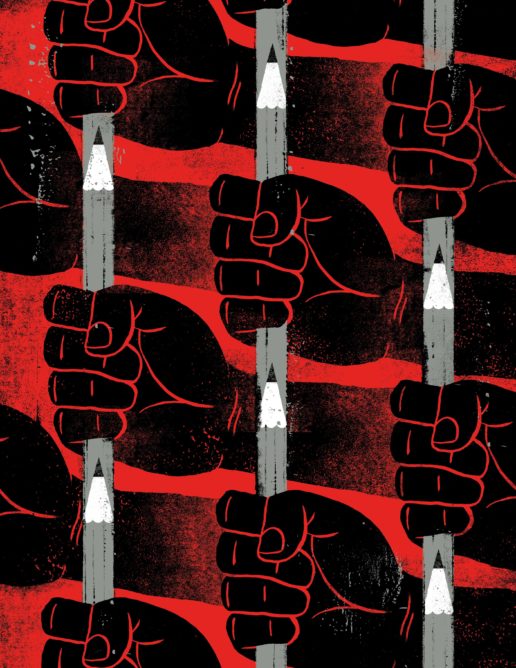
A Connecticut educator who taught English to incarcerated young men for 20 years describes what happened when she introduced her students to the Canadian “Leap Manifesto.”
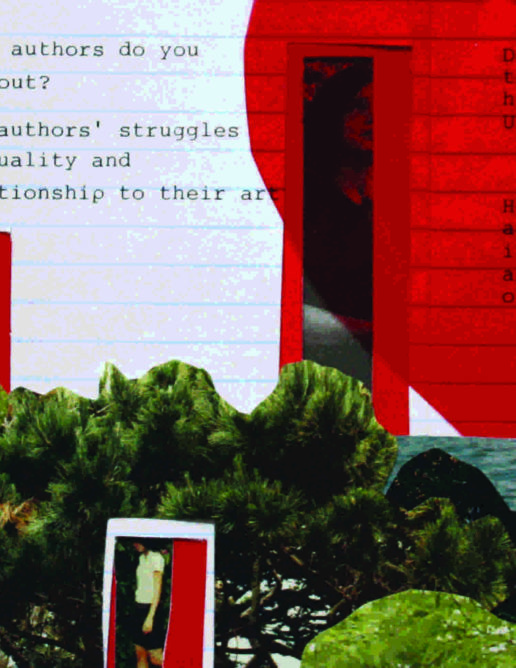
A high school English teacher (also the QSA staff advisor) wrestles with the suicide of a transgender student and calls on heterosexual and cisgender teachers to integrate LGBTQ authors, themes, and history into their classrooms.
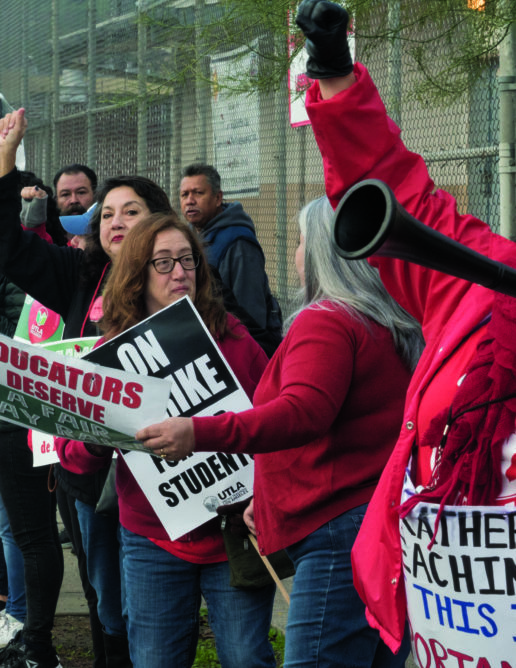
Rethinking Schools editor Jesse Hagopian interviews Gillian Russom, a teacher and leader with UTLA, about how the Los Angeles teachers’ strike was organized, what it won, and what it could mean for the future of the #RedForEd movement.
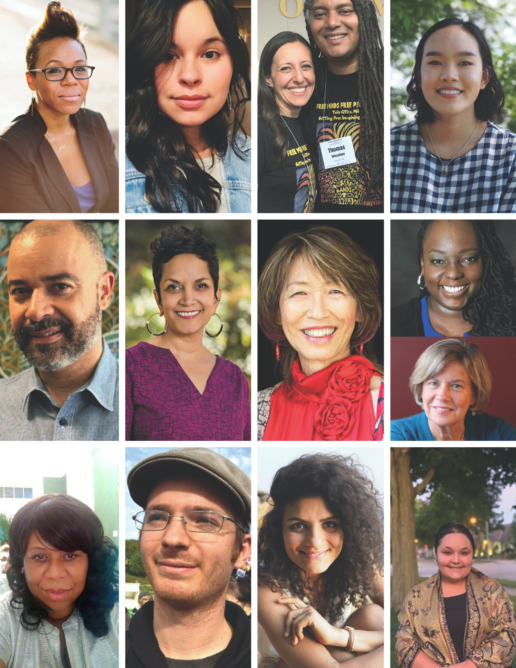
We asked a group of radical educators to weigh in on what they hoped would be part of any 2020 presidential candidate’s education platform.
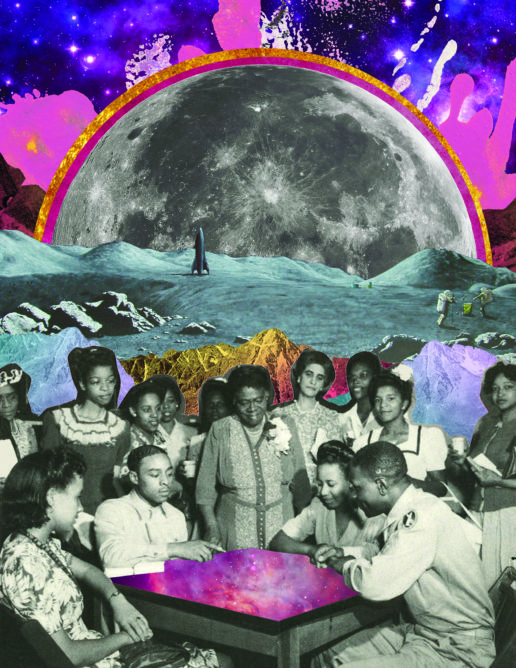
A physics teacher uses student research and other exercises to urge his high school class to wrestle with race, privilege, and representation.
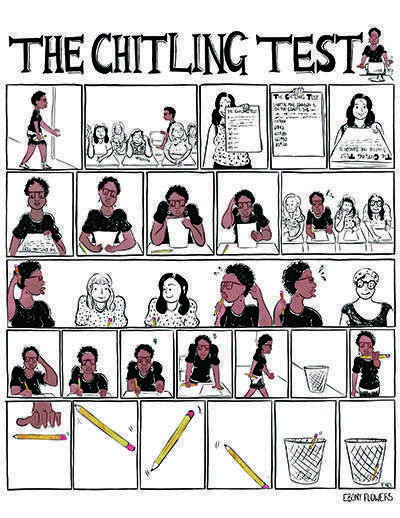
An educator reflects on how the education system has continually tested her Blackness from grade school through professional development, and argues that we need more Black spaces to nurture brilliance.
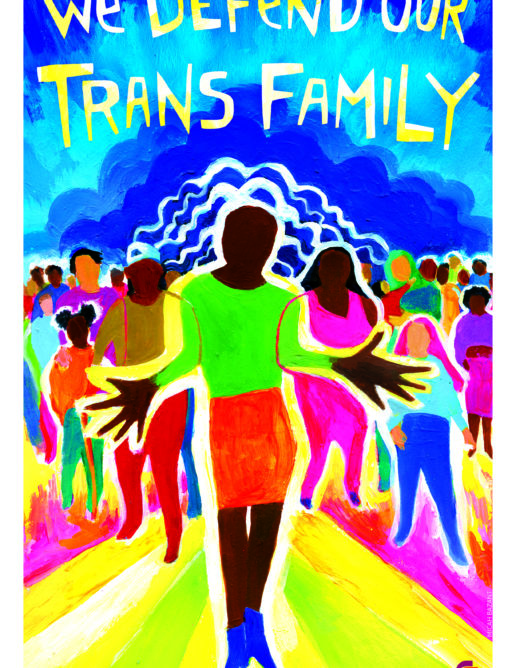
What can teachers, schools, and districts do to meet the needs of trans students? To make them visible? To keep them alive? To celebrate them?
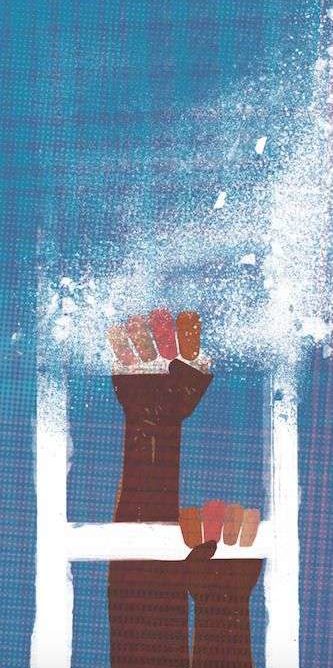
A teacher of color writes about obstacles he faced during his first year in the classroom and the support he received — and did not receive — from other teachers and administrators.

The staff advisor for their high school’s Queer-Straight Alliance delves into the complexities of a student-led training for teachers on the importance of using students’ preferred pronouns.

It has always been an educator’s responsibility to act in solidarity with vulnerable students. But with President Donald Trump’s September declaration that he will end DACA, we are called on to be more audacious, more resolute, and more imaginative in our solidarity with the 800,000 undocumented young people who now face a frightening uncertainty about their future in the United States.
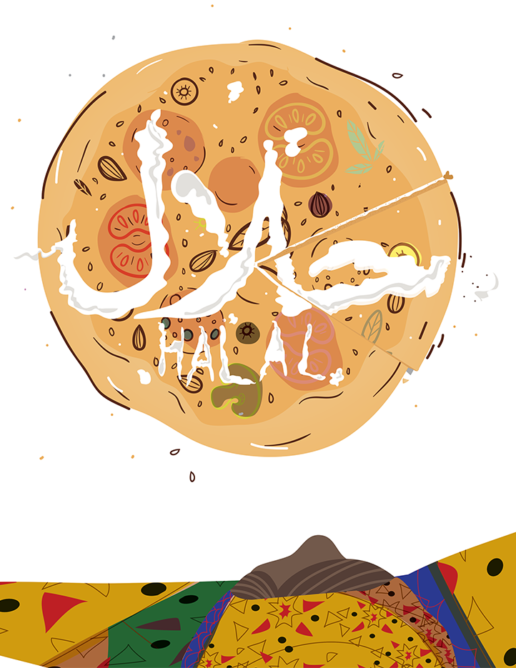
An elementary teacher tells how she works to include her Muslim students in the life of her classroom. “We can use or create curriculum and projects that allow students to learn about and incorporate their culture and religious practices if they want to. We can be deliberate in including, making space for, and recognizing our students in all aspects of their identities. Making schools inclusive doesn’t have to be a guessing game.”
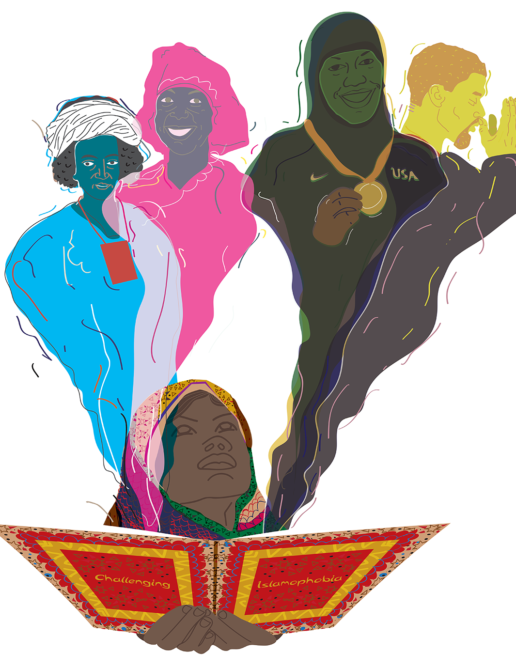
The increasing violence against Muslims, Sikhs, South Asians, and others targeted as Muslim, suggests we, as Americans, are becoming less tolerant and need educational interventions that move beyond post-9/11 teaching strategies that emphasize our peacefulness or oversimplify our histories, beliefs, and rituals in ways that often lead to further stereotyping.
Using the experience of high school exit testing in New Jersey as an example, Stan Karp analyzes the gross negative impact of these high-stakes tests on students and schools.
A middle school teacher describes the trauma experienced by his students over the year and struggles to create meaningful hope rather than slogans.
A neighborhood mapping exercise helps students develop their narrative writing and storytelling skills while also building classroom community by connecting home worlds to the curriculum. Adapted from the newly-released second edition of Reading, Writing, and Rising Up.
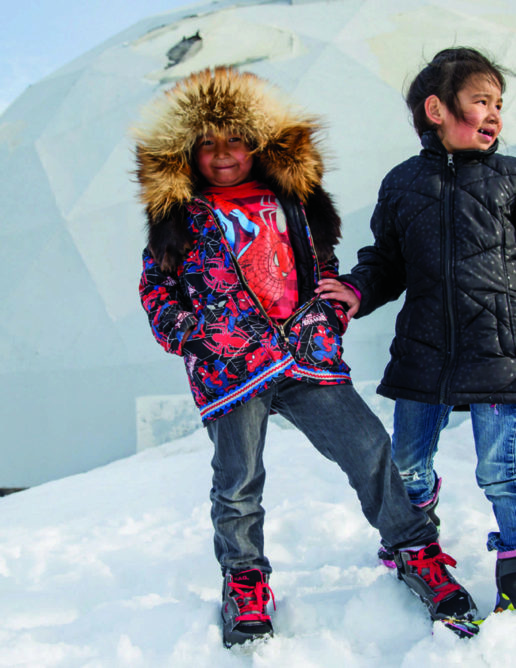
A journalist explores the way Indigenous language and community is connected to the classroom in several communities in Alaska, and explores how educators there have built new frameworks to fight against Eurocentric curriculum.
As we return to our schools this fall, we need to rededicate ourselves to building an education system and a society that values Black lives.
The executive director of San Francisco’s Arab Resource and Organizing Center describes the successes and obstacles for a community-based campaign to offer Arabic language instruction in the district’s schools.
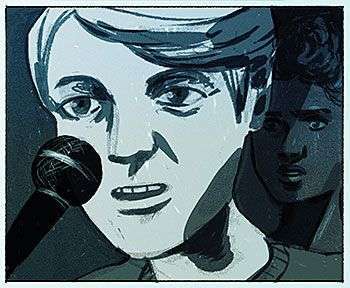
A high school teacher realizes that, despite her school’s diverse student body, the students on the stage at assemblies are virtually all white and male. She sets out to understand why and to change the pattern.

The youth on our cover is Lana “kQween” Grant. She was photographed by Lois Bielefeld as part of her Androgeny series. kQween’s pride—and the empathy and respect of Bielefeld’s image—are […]
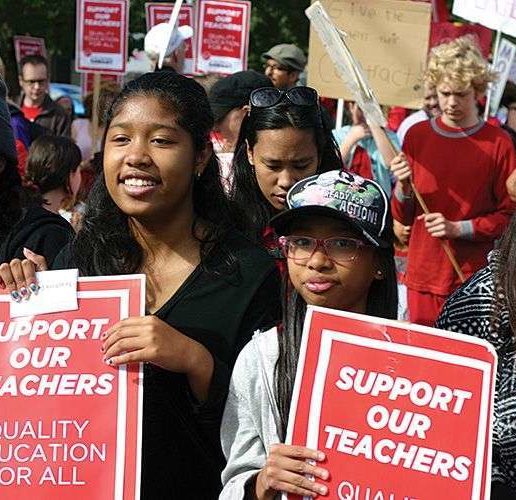
On Sept. 20, 2015, thousands of Seattle Education Association (SEA) members voted to approve a new contract with the Seattle Public Schools. The vote officially ended the strike, which delayed […]
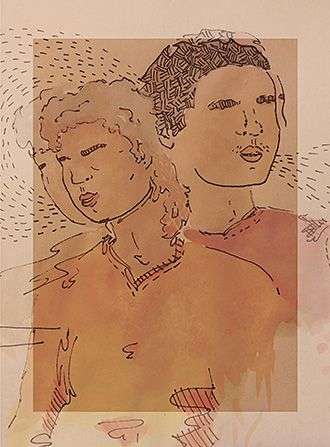
An administrator describes the journey of her K-8 school as it welcomes a transgender 8th grader and the gender transition of another student.
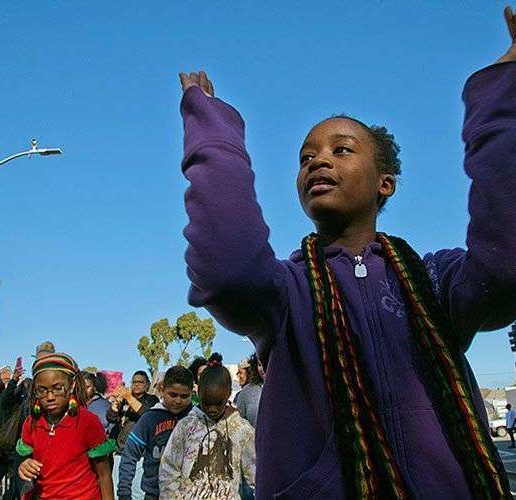
We’re at a tipping point. The killings of Trayvon Martin, Jordan Davis, Mike Brown, Tamir Rice, Renisha McBride—and far too many other African Americans—have put to rest the myth of […]