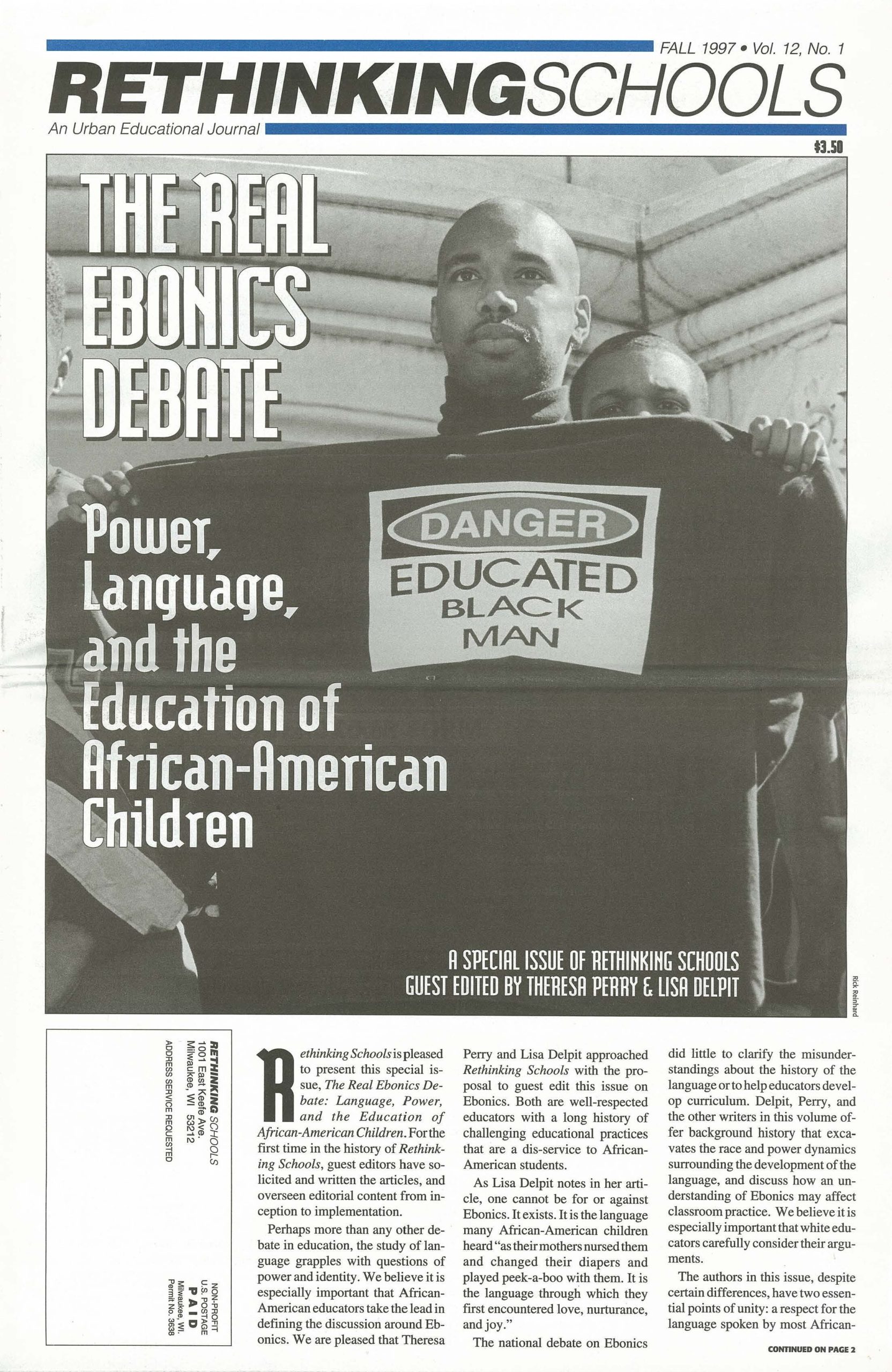

The Real Ebonics Debate
Power, Language, and the Education of African-American Children
An introduction to this special edition on Ebonics by the editors of Rethinking Schools.
An Introduction from The Guest Editors
Theresa Perry and Lisa Delpit
Theresa Perry and Lisa Delpit, who guest-edited this issue of Rethinking Schools, provide a brief history of the Ebonics controversy in Oakland and explain what they hope this collection of articles will accomplish.

I ‘on Know why They be Trippin
An essay on the political furor that greeted the Oakland School Board’s resolution on Ebonics, and some of the issues that were glossed over during the noisy national debate that followed.
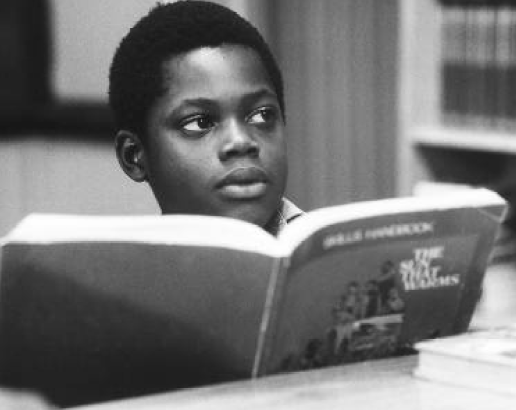
Ebonics and Culturally Responsive Instruction
What Should Teachers Do?
A closer look at some of the connections between language, teaching and cultural identity.
Black English/Ebonics: What It Be Like?
Some of the history and technical specifics that define Ebonics.
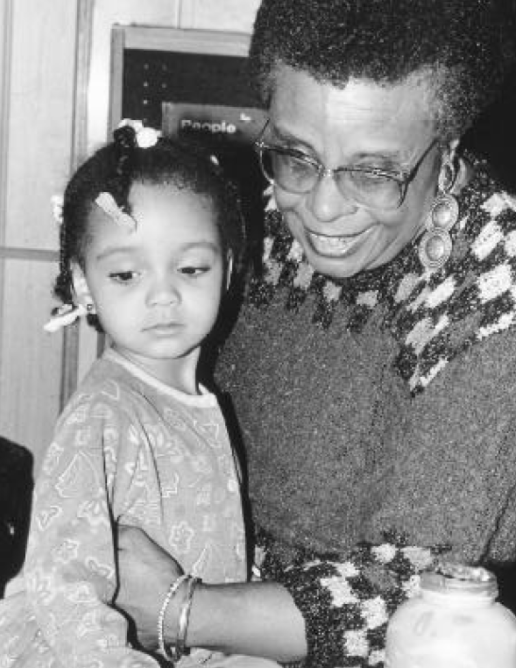
If Ebonics Isn’t a Language, Then Tell Me, What Is?
A linguist addresses some of the more common questions about Ebonics and the Oakland School Board resolution, and some of the misconceptions about the resolution spread by the mainstream media.

Holding On To A Language of Our Own
An Interview with Linguist John Rickford
The noted scholar, who has studied the relation between language and culture for the past 25 years, answers questions about the development of African-American language and its connections to contemporary U.S. society.

What is Black English? What is Ebonics?
Observations and reflections by one of the consultants to the Oakland School District’s Standard English Proficiency program.
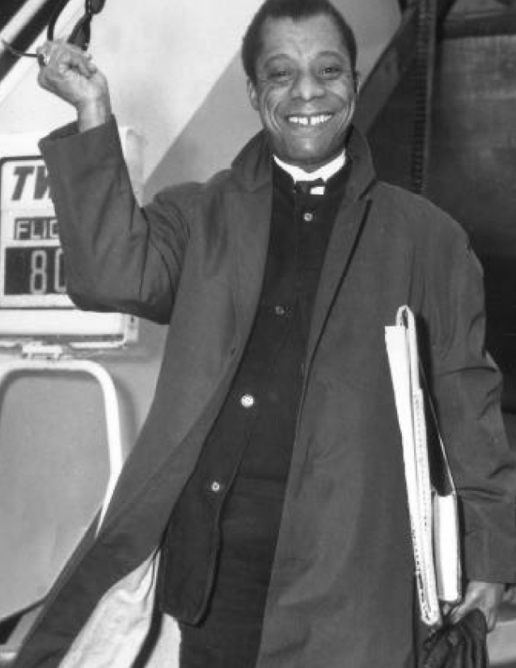
If Black English Isn’t a Language, Then Tell Me, What Is?
The acclaimed writer speaks his mind on language, politics and power in this article, originally published as a letter to the editor of The New York Times in 1979.

Ebonics: Myths and Realities
A point-by-point rebuttal to some of the prevailing myths about Ebonics, literacy among African-American children and education.
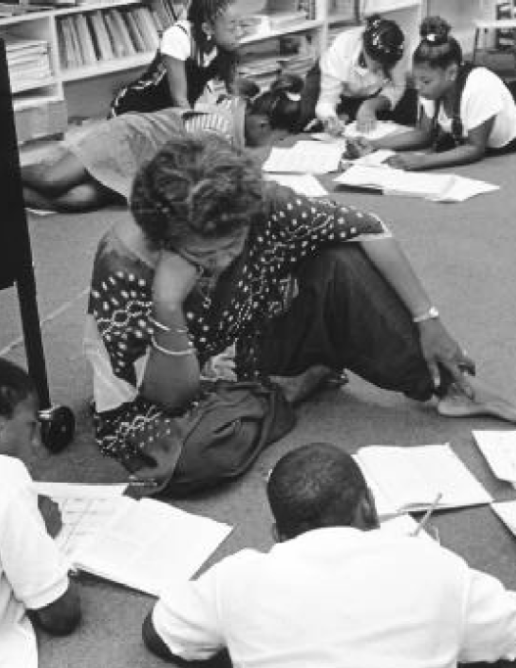
Embracing Ebonics and Teaching Standard English
An interview with Oakland teacher Carrie Secret
This 31-year veteran of Oakland classrooms explains the effects of the Standard English Proficiency program, which recognizes the systematic, rule-governed nature of “Black English” while helping students learn Standard English, and how respect and cultural awareness can help teachers reach their students.

Literature from Children’s Roots
Kitchen Poets and Classroom Books
Why books written by African-American authors are important to children’s literacy development.
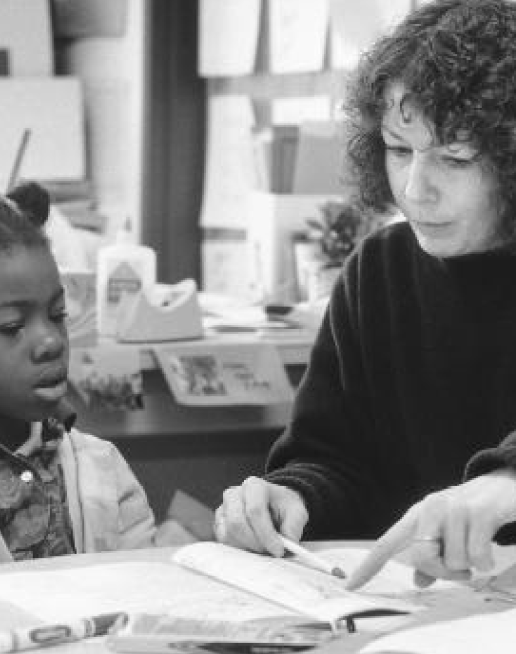
Teaching Teachers About Black Communications
How teachers can prepare themselves to help African-American students embrace Standard English as well as — not instead of — their own dialect.
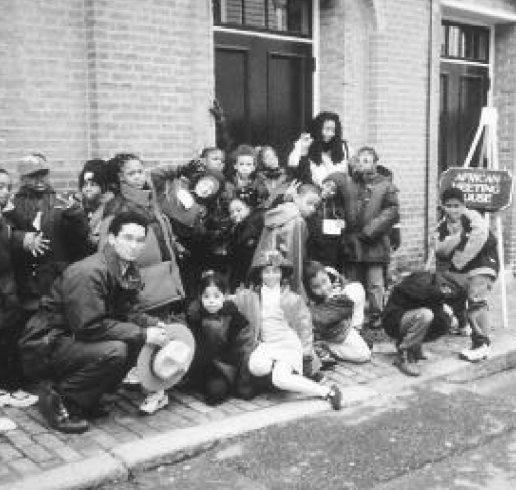
Removing the Mask
Roots of Oppression Through Omission
An African-American teacher reflects on how to help children embrace Standard English without letting go of their own cultural identity, her own struggle to rebuild her self-image, and why this matters.
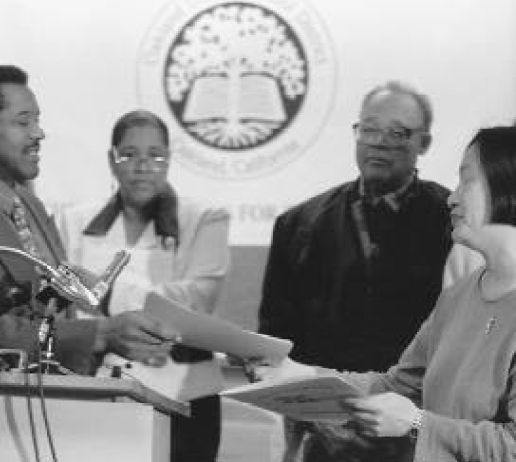
The Oakland Ebonics Resolution
The full text of the controversial resolution passed by the Oakland School Board on Dec. 18, 1996, including revisions made to the original version and a policy statement” by the board which accompanied the resolution.”
Recommendations of the Task Force on Educating African-American Students
The recommendations on cultural-linguistic literacy approved by the Oakland School Board on Jan. 21, 1997.
What is the Standard English Proficiency Program?
Explanations by the Oakland school district of this important program.
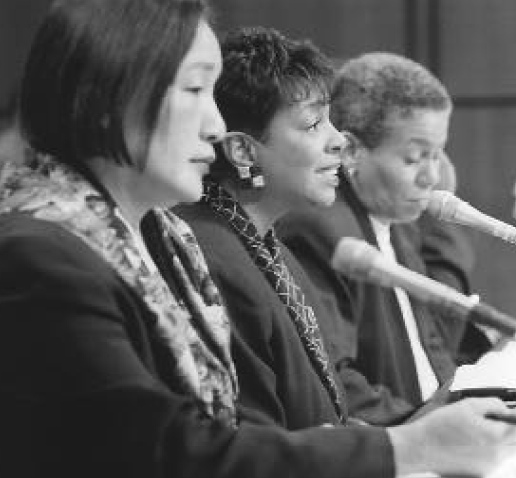
Oakland Superintendent Responds to Critics of the Ebonics Policy
A defense and explanation of the Oakland school district’s actions by the woman who was running the Oakland school district when the Ebonics furor erupted.
Linguistic Society of America’s Resolution on Ebonics
The text of a resolution passed by the society on Jan. 3, 1997, which concludes that the Oakland resolution was linguistically and pedagogically sound.”
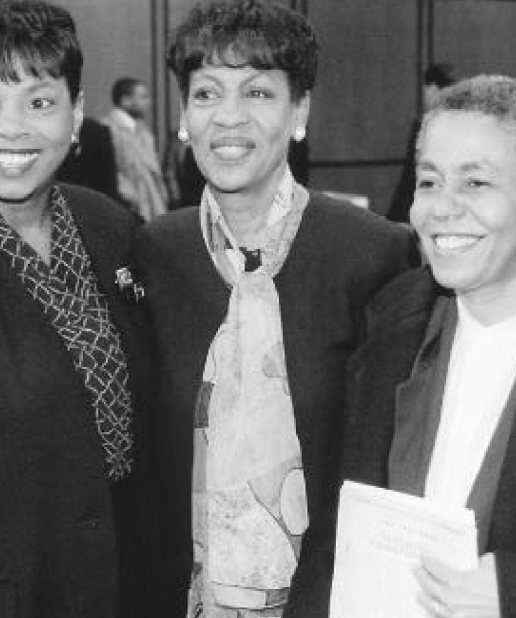
Opening Pandora’s Box
An Interview with Oakland School Board Member Toni Cook
An Interview with Oakland School Board member Toni Cook.
An Oakland Student Speaks Out
The testimony before Congress by the student member of the Oakland School Board.

Official Language; Unofficial Reality
Acquiring Bilingual/Bicultural Fluency in A Segregated Southern Community
One woman’s experiences acquiring bilingual and bicultural fluency in a segregated Southern community.
Black English: Steppin Up? Lookin Back
Thoughts on the cultural disrespect inherent in much of the criticism of the Ebonics resolution in Oakland, and the struggles of African Americans to cope with such hostility.