Overhauling NCLB: What You Can Do
8th-grade algebra meets rising gas prices and peak oil.

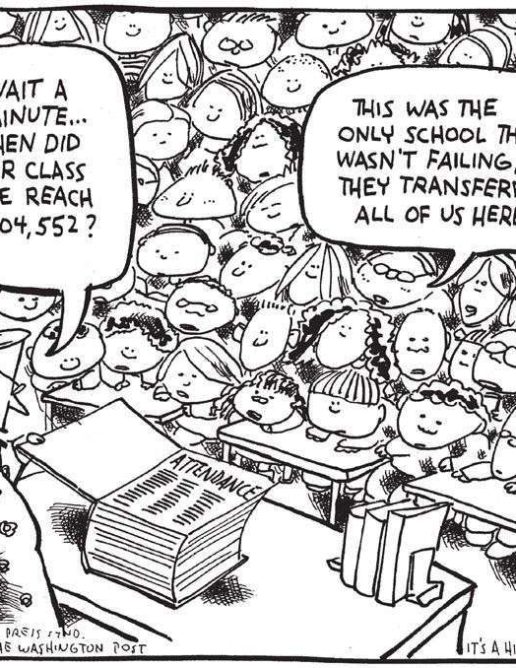
8th-grade algebra meets rising gas prices and peak oil.
One school’s campaign against put-downs.
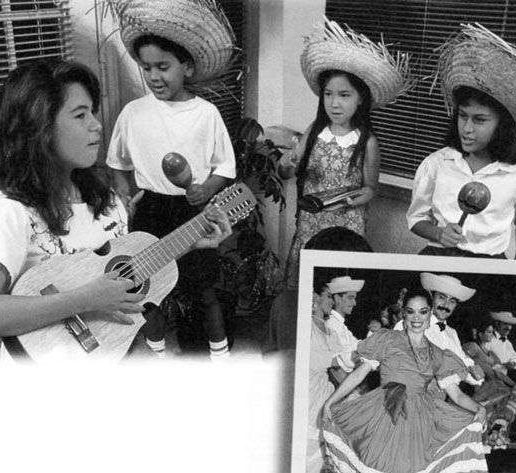
Latinos dance, they sing, they happily play baseball. And what great food!

Helping kids who’ve grown up in the truck culture” examine climate change.
“
If we ignore race and money inequities, small school reform won’t help anything meaningful take root.

Teachers can help students express values both in and outside of the classroom.
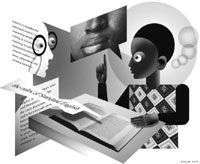
Nurturing student writing to make it language of power”.”
Teaching forgiveness through poetry and art.
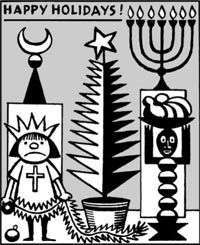
A first-year teacher’s naivety has repercussions.
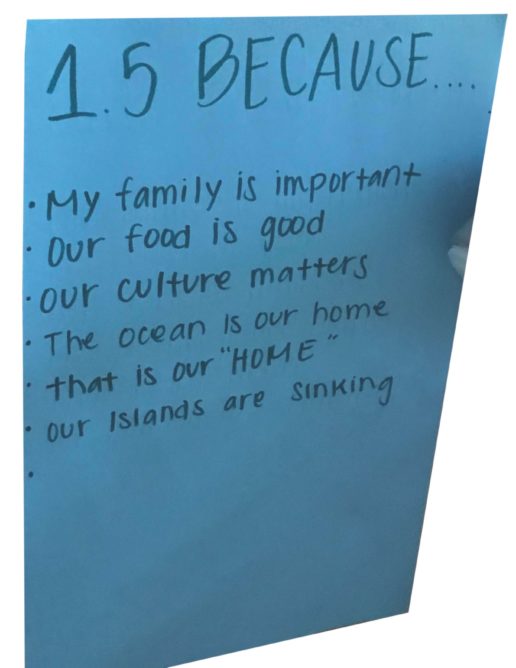
A high school ethnic studies teacher describes how students in the Pacific Island Club used poetry to refocus the narrative surrounding climate justice onto frontline communities.
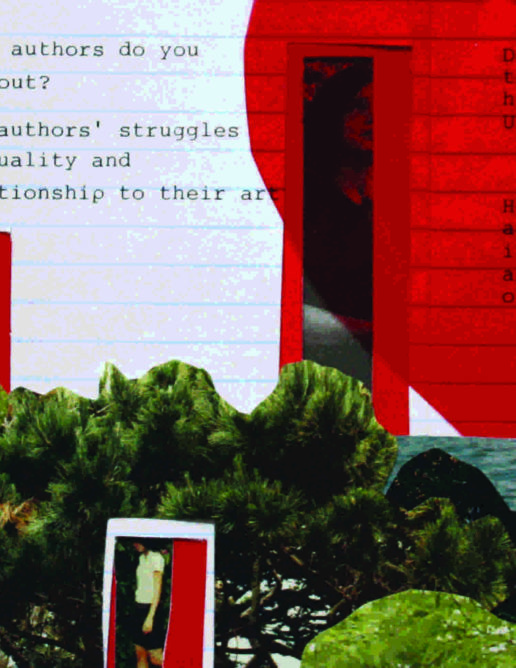
A high school English teacher (also the QSA staff advisor) wrestles with the suicide of a transgender student and calls on heterosexual and cisgender teachers to integrate LGBTQ authors, themes, and history into their classrooms.
A school librarian describes children’s books with strong transgender characters and themes.
The ongoing, persistent verbal and physical violence against women, youth, and LGBTQ communities has not been adequately addressed in most schools. Instead of educating children and youth about gender equity and sexual harassment, schools often create a culture that perpetuates stigma, shame, and silence. Student-on-student sexual assault and harassment occurs on playgrounds, in bathrooms and locker rooms, on buses, and down isolated school hallways. Students experience sexualized language and inappropriate touching, as well as forced sexual acts. And they encounter these at formative stages of their lives that leave scars and shape expectations for a lifetime. What isn’t addressed critically in schools becomes normalized and taken for granted.
Right away I recognized her. Ruby Bridges. The courageous girl who defied white racists and became the first to integrate an all-white elementary school. My 7-year-old son pulled a handout out of his backpack with her face on it. He is in a bilingual, two-way immersion program at our local elementary school. As is our custom on Friday, we emptied his backpack and sorted the contents. We determined what needed to be recycled, what would be hung on our whiteboard, and what needed to be stored in my Things-to-take-care-of box by the fridge. I smiled, because as a former history teacher and lover of Black history, I was happy to see my son learning about this important historical moment. And then, I took a closer look and saw that it was in Spanish. I was elated as it dawned on me that my son truly is emergent bilingual. “Caleb, what’s this about? Did you read this in school?”
A teacher wrestles with her frustrations with having to administer a standardized test that she wouldn’t even allow her own daughter to take. “Fourteen days I enforced SBAC testing to be the priority of our classroom learning — or rather, our classroom “unlearning.” Fourteen days SBAC took away.”
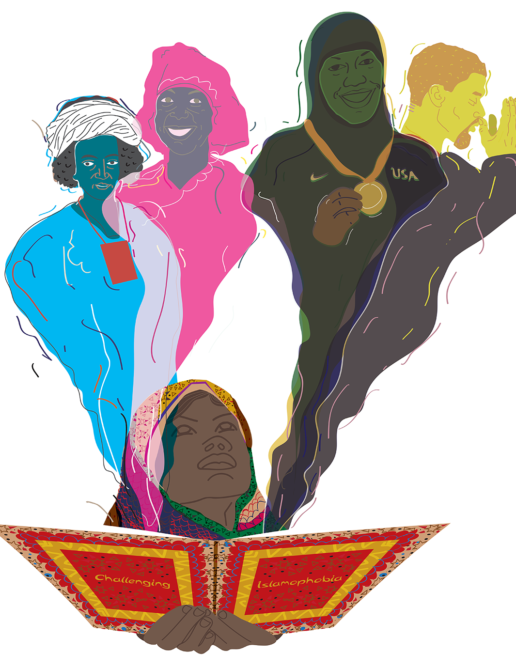
The increasing violence against Muslims, Sikhs, South Asians, and others targeted as Muslim, suggests we, as Americans, are becoming less tolerant and need educational interventions that move beyond post-9/11 teaching strategies that emphasize our peacefulness or oversimplify our histories, beliefs, and rituals in ways that often lead to further stereotyping.
A middle school English teacher calls for an end to separating students into groups of “gifted” and “not gifted” and argues that labeling students damages them — and us. “We are going down too many roads that push too many of our children aside, reinforcing the worst of our society’s racist and classist limitations. Let us push back hard.”
A middle school teacher describes the trauma experienced by his students over the year and struggles to create meaningful hope rather than slogans.
“Ugh, Dress Codes!” The title of one of 15-year-old Izzy Labbe’s SPARK Movement blog posts encapsulates what I’ve heard so many girls say they feel about their middle and high […]
A neighborhood mapping exercise helps students develop their narrative writing and storytelling skills while also building classroom community by connecting home worlds to the curriculum. Adapted from the newly-released second edition of Reading, Writing, and Rising Up.
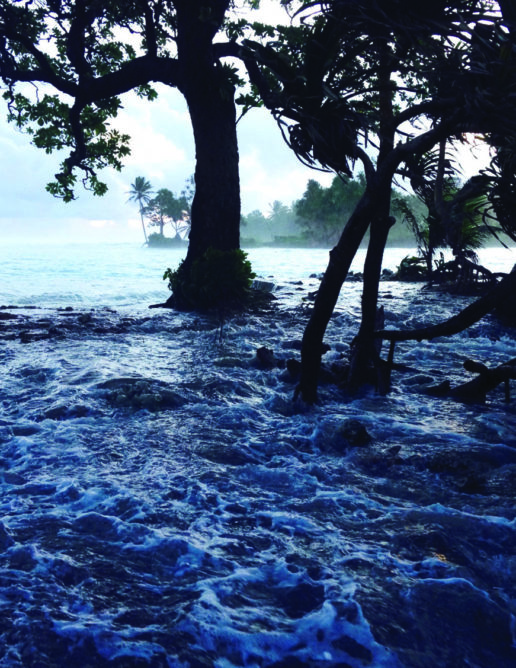
Using Marshallese poet and climate justice activist Kathy Jetñil-Kijiner’s poem “Dear Matafele Peinam,” a teacher helps 7th graders think about the sacred spaces in their own lives and how they will be affected by climate change.
Returning to her home country of Okinawa at 13, Moé Yonamine was hit by a teacher for speaking her Indigenous language. She reflects on the history of colonial oppression in Okinawa and the importance of keeping culture and language alive.
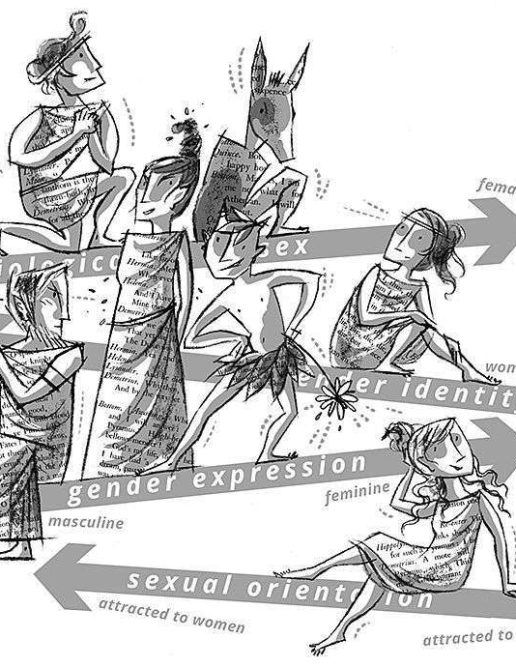
Middle schoolers explore how Shakespeare plays with gender expression and expectations in A Midsummer Night’s Dream.
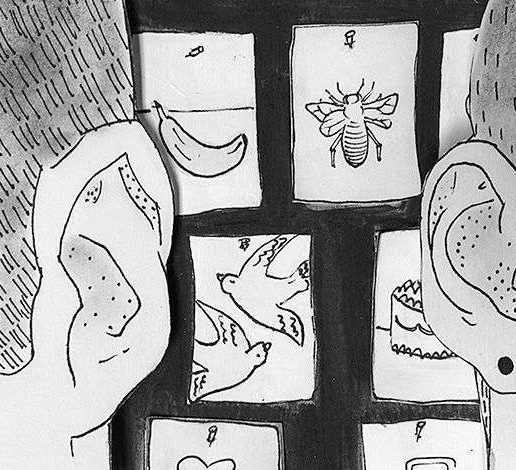
A 9th-grade teacher lays groundwork for sex education that is sex-positive and inclusive.
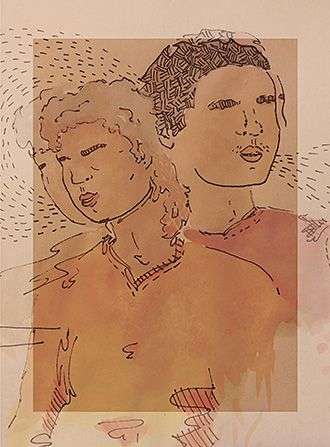
An administrator describes the journey of her K-8 school as it welcomes a transgender 8th grader and the gender transition of another student.