Black English: Steppin Up? Lookin Back
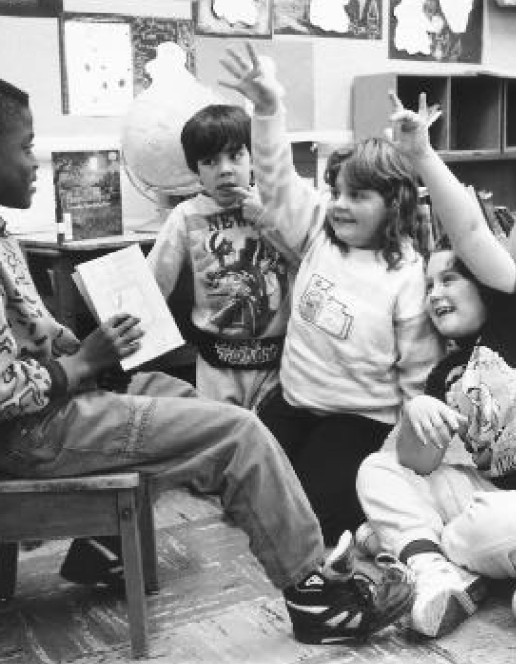
Thoughts on the cultural disrespect inherent in much of the criticism of the Ebonics resolution in Oakland, and the struggles of African Americans to cope with such hostility.

Thoughts on the cultural disrespect inherent in much of the criticism of the Ebonics resolution in Oakland, and the struggles of African Americans to cope with such hostility.
The story of one teacher and his students who organized a protest against the Walt Disney Co.’s use of low-wage labor.
Excerpts from a speech by Craig Kielburger, a student from Canada who has been active in building a campaign against child labor, at the 1996 convention of the American Federation of Teachers.
By Bob Peterson NEA President Bob Chase recently called for teacher unions to shift their priorities and take more responsibility for the quality of teachers and learning environments. This angered some Wisconsin teacher union leaders, who feared he was playing into the hands of anti-union forces. Coverage of the controversy, and thoughts on the emerging social justice” vision of teachers as union members.”
Text of two critical letters to Bob Chase from Wisconsin teacher union leaders.
Text of NEA President Bob Chase’s response.
A look at the many issues raised by the growing standards movement. Can it become a mechanism for driving resources to schools that need them most? Or will it narrow the education agenda in the United States and leave poor children even further behind?
Excerpts from Meier’s essay in the 1997 book “Transforming Public Education,” in which she explores the effect that top-down reforms have on the development of vibrant schools.
The issue of whether state money should fund religious schools has revealed cracks in the support for Wisconsin’s school-voucher program.
Reviews of “Rosewood” and “Black Wall Street: A Lost Dream”
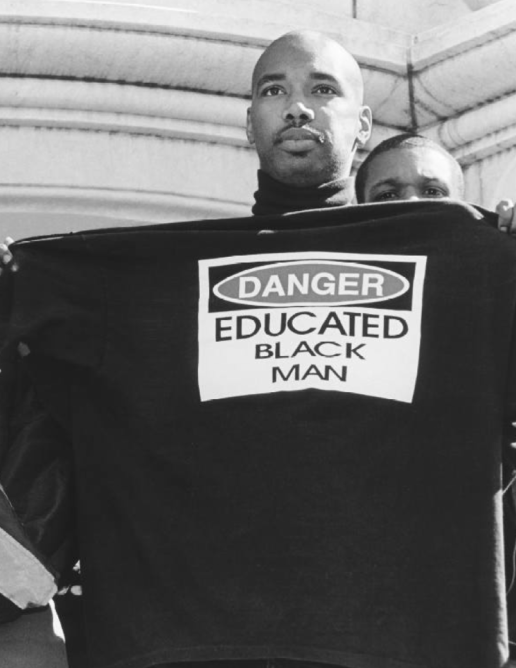
An introduction to this special edition on Ebonics by the editors of Rethinking Schools.
Theresa Perry and Lisa Delpit, who guest-edited this issue of Rethinking Schools, provide a brief history of the Ebonics controversy in Oakland and explain what they hope this collection of articles will accomplish.

An essay on the political furor that greeted the Oakland School Board’s resolution on Ebonics, and some of the issues that were glossed over during the noisy national debate that followed.
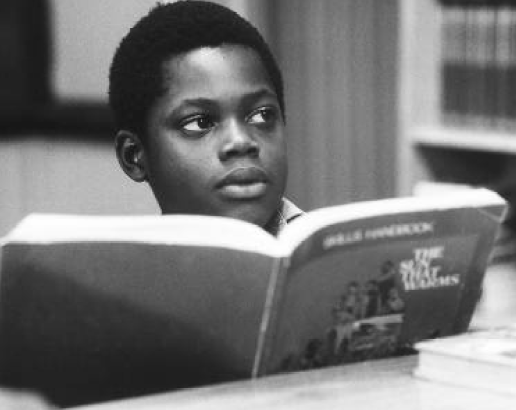
A closer look at some of the connections between language, teaching and cultural identity.
Some of the history and technical specifics that define Ebonics.
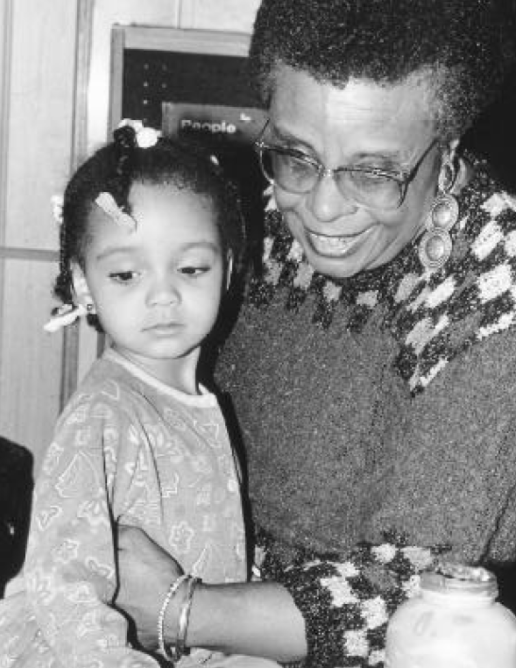
A linguist addresses some of the more common questions about Ebonics and the Oakland School Board resolution, and some of the misconceptions about the resolution spread by the mainstream media.
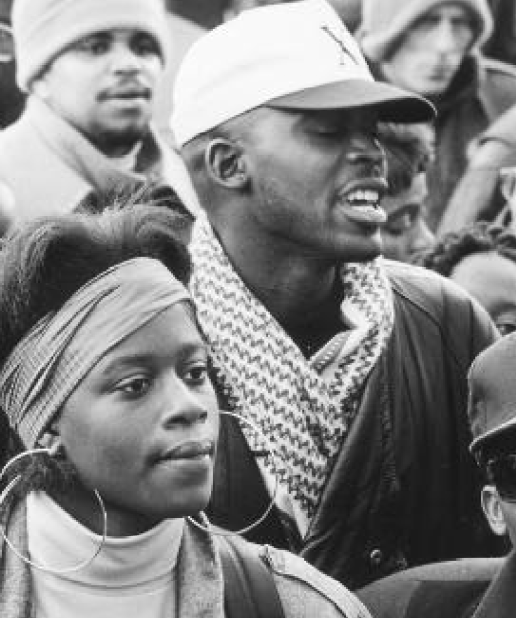
The noted scholar, who has studied the relation between language and culture for the past 25 years, answers questions about the development of African-American language and its connections to contemporary U.S. society.

Observations and reflections by one of the consultants to the Oakland School District’s Standard English Proficiency program.
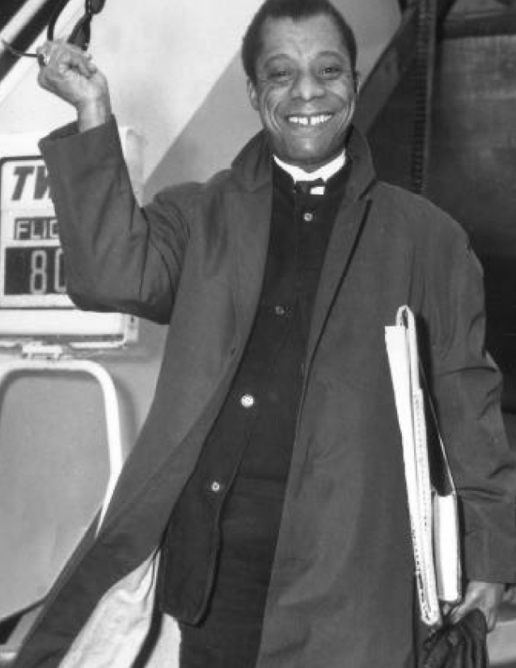
The acclaimed writer speaks his mind on language, politics and power in this article, originally published as a letter to the editor of The New York Times in 1979.

A point-by-point rebuttal to some of the prevailing myths about Ebonics, literacy among African-American children and education.
A close-up look at a popular “just say no” sex education curriculum.
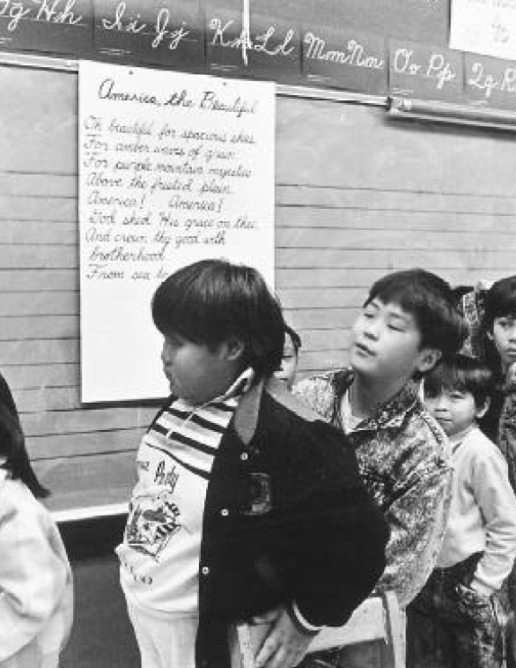
This content is restricted to subscribers

Two books chronicling the lives of the first students of color to attend white-only Southern schools.
A look at how different schools around the country are responding — some with sensitivity,others with repression – to issues of sexuality.
Some New Mexico schools are struggling over whether to continue opening their doors to children from neighboring communities in Mexico.