Canadian Teachers Strike
Coverage of the issues that prompted 126,000 elementary and secondary school teachers to walk off the job in October and November 1997.


Coverage of the issues that prompted 126,000 elementary and secondary school teachers to walk off the job in October and November 1997.

In this excerpt from his recently completed manuscript “Holler if You Hear Me”
When teacher Maria Sweeney’s 4th-grade class in Ridgewood, NJ wrote an original play about sweatshops that make products for Nike and Disney, school officials deemed it”inappropriate for children” and banned its performance at the school. Here’s how the students ended up bringing their play to a real Broadway theater for a glorious one-night stand instead.”
How teachers can harness this powerful form of cultural communication.
A selection of hip hop music and related resources suitable for classroom use.

Hollywood has never let the real lessons of history get in the way of a good story, and Steven Spielberg’s film about the 1839 slave revolt is no exception. An examination of the true story of Amistad, and a reflection on the issue of “who owns history.”
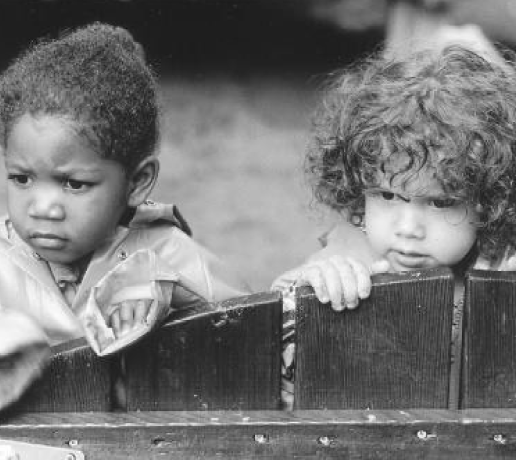
Excerpts from a speech by the Stanford University professor on what he terms “a lost opportunity in American education: the power of local control to link public schools more firmly to their communities.”
“

How students can be encouraged to share their personal lives in the classroom as part of a rich writing curriculum. Includes specific notes on teaching procedure.

A look at protests around the country on sweatshop conditions and child labor.
Reviews of two books: “The New Press Guide to Multicultural Resources for Young Readers,” edited by Daphne Muse, and “Adopted by Indians: A True Story,” by Thomas Jefferson Mayfield.
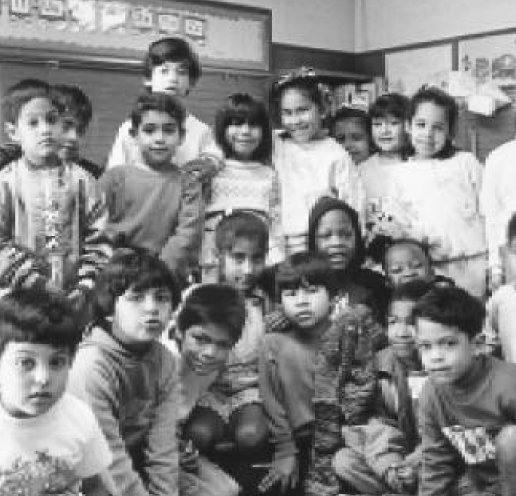
The lead story in a Rethinking Schools report on the so-called “English for the Children” initiative slated to go before California voters on June 2, 1998, which would ban bilingual instruction and impose an English-only mandate on all classrooms. Includes a breakdown of the initiative’s key components and analysis of what its passage would mean for bilingual education and local control.
An analysis by the National Association of Bilingual Education details the tremendous growth of this population.
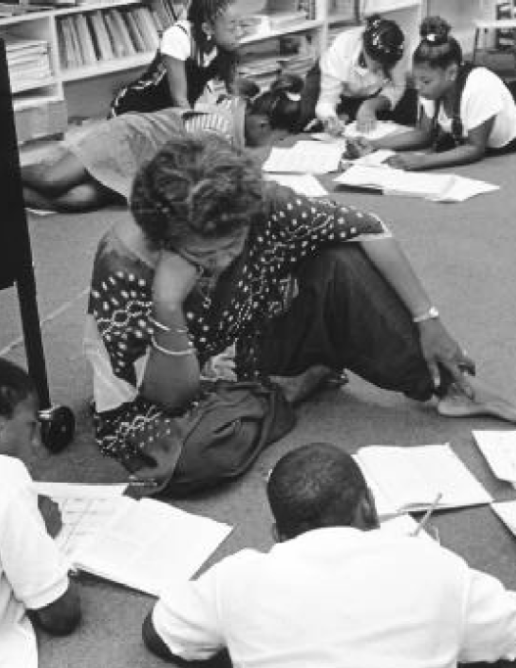
This 31-year veteran of Oakland classrooms explains the effects of the Standard English Proficiency program, which recognizes the systematic, rule-governed nature of “Black English” while helping students learn Standard English, and how respect and cultural awareness can help teachers reach their students.
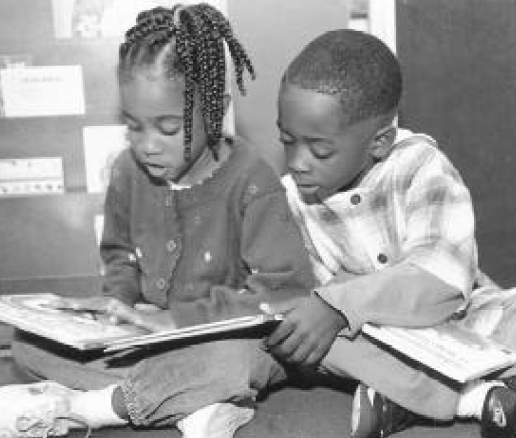
Why books written by African-American authors are important to children’s literacy development.
Some ways that teachers can use this spirited book, which features several characters who speak in the rich and colorful dialect of the rural South
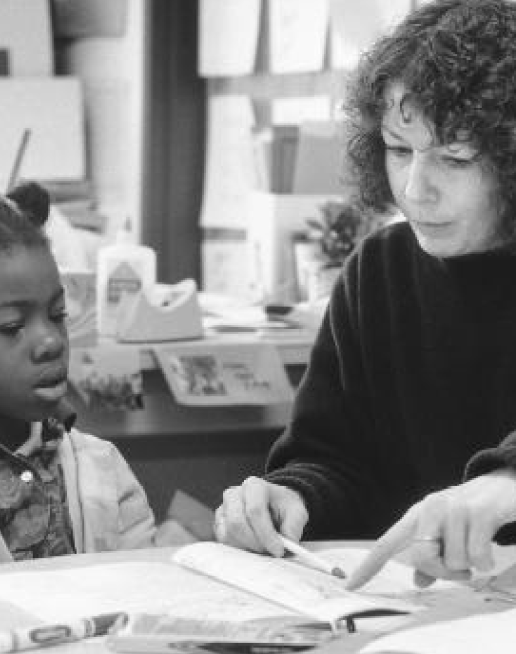
How teachers can prepare themselves to help African-American students embrace Standard English as well as — not instead of — their own dialect.
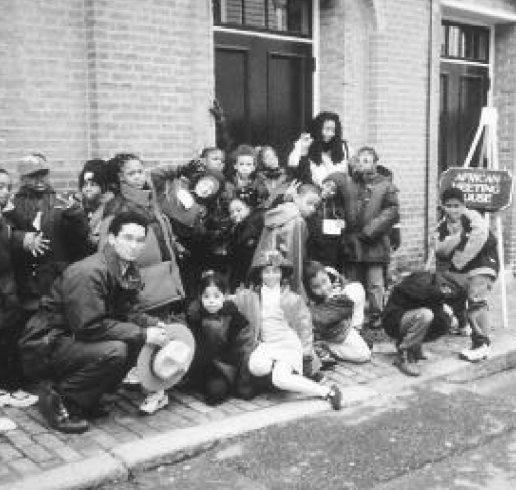
An African-American teacher reflects on how to help children embrace Standard English without letting go of their own cultural identity, her own struggle to rebuild her self-image, and why this matters.
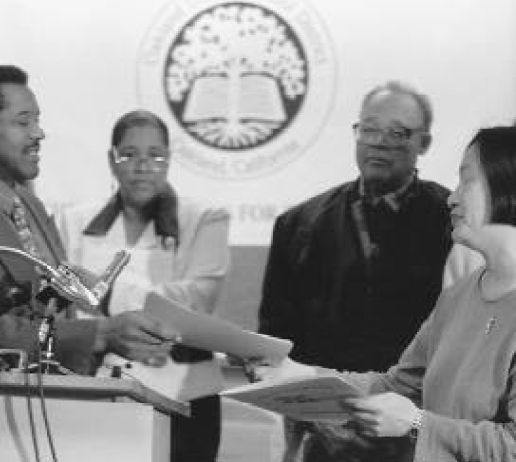
The full text of the controversial resolution passed by the Oakland School Board on Dec. 18, 1996, including revisions made to the original version and a policy statement” by the board which accompanied the resolution.”
The recommendations on cultural-linguistic literacy approved by the Oakland School Board on Jan. 21, 1997.
Explanations by the Oakland school district of this important program.
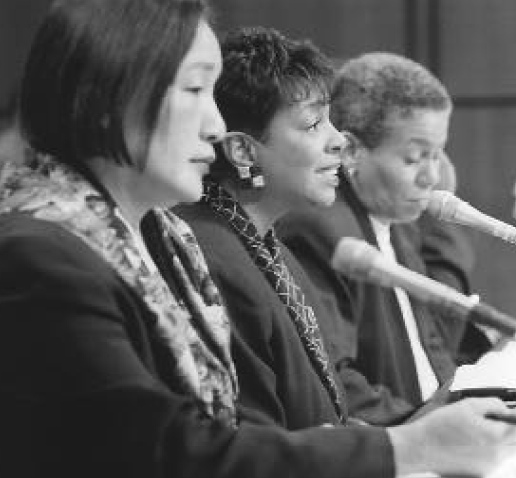
A defense and explanation of the Oakland school district’s actions by the woman who was running the Oakland school district when the Ebonics furor erupted.
The text of a resolution passed by the society on Jan. 3, 1997, which concludes that the Oakland resolution was linguistically and pedagogically sound.”
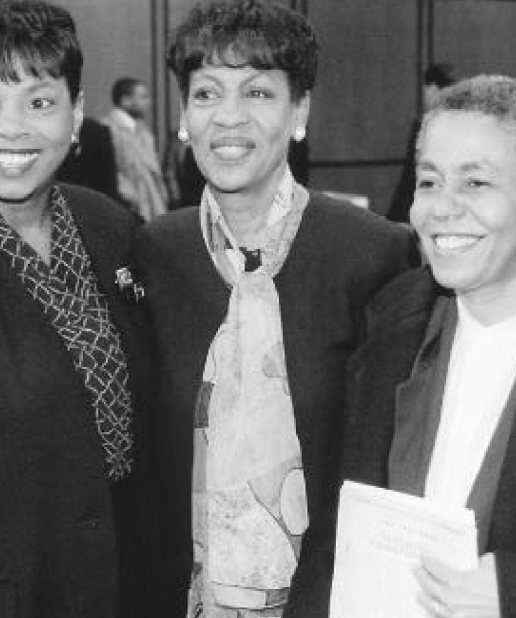
An Interview with Oakland School Board member Toni Cook.
The testimony before Congress by the student member of the Oakland School Board.

One woman’s experiences acquiring bilingual and bicultural fluency in a segregated Southern community.