The Teacher Uprising of 2018
They’re calling it the “Education Spring,” and what started in a rural county in southwest West Virginia has spread like wildfire and inspired teachers and other public sector workers across […]

They’re calling it the “Education Spring,” and what started in a rural county in southwest West Virginia has spread like wildfire and inspired teachers and other public sector workers across […]
There’s much that we as educators can do to combat gun violence and get guns out of our schools. One of our roles as teachers is to guide students to examine the roots of an issue.

The second installment of our new environmental justice column focuses on one part of a resolution passed by the Portland, Oregon, school board that mandates the school district not use text material that doubts “the severity of the climate crisis or its root in human activities.”
During a recent conversation, a former high school classmate said, “I always wondered why you left Eureka. I heard that something shameful happened, but I never knew what it was.”
Yes, something shameful happened. My former husband beat me in front of the Catholic Church in downtown Eureka. He tore hunks of hair from my scalp, broke my nose, and battered my body. It wasn’t the first time during the nine months of our marriage. When he fell into a drunken sleep, I found the keys he used to keep me locked inside and I fled, wearing a bikini and a bloodied white fisherman’s sweater. For those nine months I had lived in fear of his hands, of drives into the country where he might kill me and bury my body. I lived in fear that if I fled, he might harm my mother or my sister.
I carried that fear and shame around for years. Because even though I left the marriage and the abuse, people said things like “I’d never let some man beat me.” There was no way to tell them the whole story: How growing up and “getting a man” was the goal, how making a marriage work was my responsibility, how failure was a stigma I couldn’t bear.
As we return to our schools this fall, we need to rededicate ourselves to building an education system and a society that values Black lives.
This is the first issue of Rethinking Schools magazine in eight years for which Jody Sokolower was not the managing editor. Jody stepped down in April to focus on local […]
Recently, a Rethinking Schools editor was a chaperone on a field trip when he overheard a 2nd-grade student talking about how he wanted to “nuke the world.” Taken aback, he […]
Repensando las escuelas nació en la era de Reagan. Celebramos nuestro décimo tercer aniversario en la era de Trump. Sabemos algo acerca de mantenernos esperanzados durante los tiempos difíciles. Hace […]

The youth on our cover is Lana “kQween” Grant. She was photographed by Lois Bielefeld as part of her Androgeny series. kQween’s pride—and the empathy and respect of Bielefeld’s image—are […]
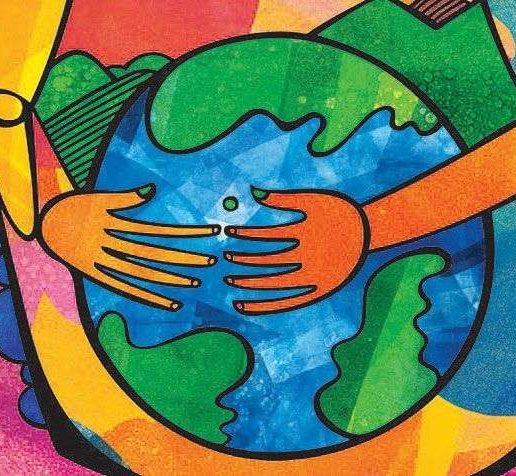
As always, Rethinking Schools has several new books in process. This issue we feature three articles destined for one of these: Rethinking Bilingual Education, edited by Grace Cornell Gonzales, Elizabeth […]

Two elementary school teachers in Albuquerque resist the proliferation of harmful standardized tests. They see it as a professional responsibility.
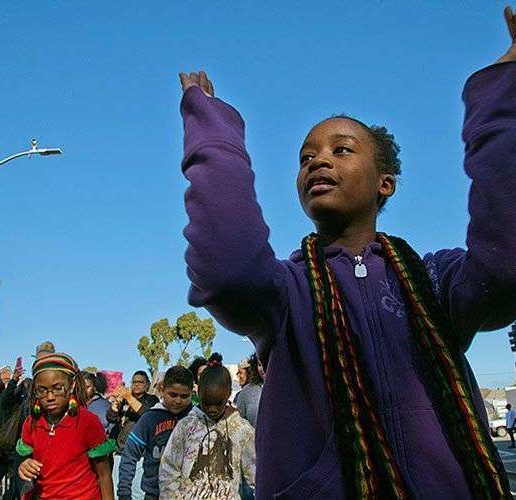
We’re at a tipping point. The killings of Trayvon Martin, Jordan Davis, Mike Brown, Tamir Rice, Renisha McBride—and far too many other African Americans—have put to rest the myth of […]
When looking at media literacy, tough issues arise, in particular issues of commercialism (too much) and democracy (not enough).
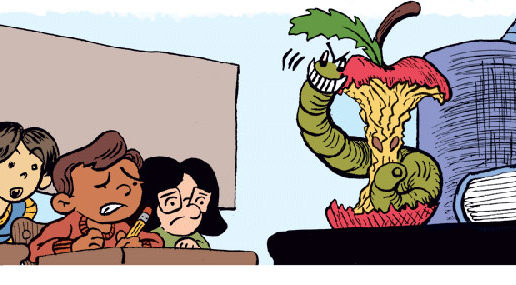
It isn’t easy to find common ground on the Common Core. Already hailed as the “next big thing” in education reform, the Common Core State Standards are being rushed into […]
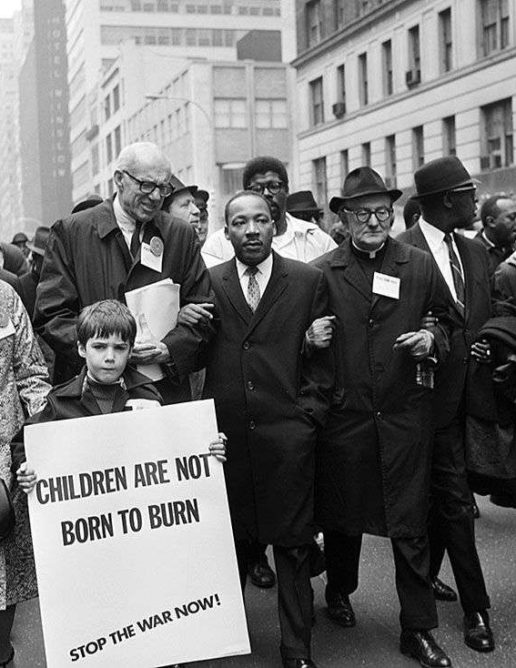
The 50th anniversary of the March on Washington for Jobs and Freedom this past summer produced some brilliant commentary about the legacy of Martin Luther King Jr. One of the […]

The rollout of the Common Core has seemed more like a marketing campaign than an educational plan. A look at the funders, origins, and uses of the new standards shows why the pushback is building.
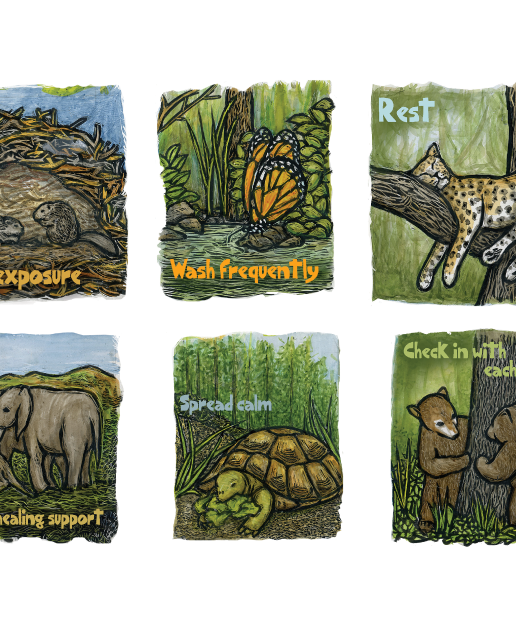
Now is not the time to pull away from social justice education activism, but to find new ways to express it. As schools go onto the internet (at least for older students) — or into hibernation — we need to make sure this happens in a way that does not promote greater inequality.

By the editors of Rethinking Schools As Mark Hertsgaard and Kyle Pope wrote recently in The Nation, “There is a runaway train racing toward us, and its name is climate change. […]

By the editors of Rethinking Schools The 2018–19 school year has begun at a time of terrifying climate disruption, seemingly endless war, spectacular inequality, xenophobic and fascist revival, police brutality […]