
Doing Race Talk with Teachers
A teacher-educator describes how she keeps her students talking about race, even when it’s uncomfortable — and shows how those conversations make better teachers.
A teacher-educator describes how she keeps her students talking about race, even when it’s uncomfortable — and shows how those conversations make better teachers.
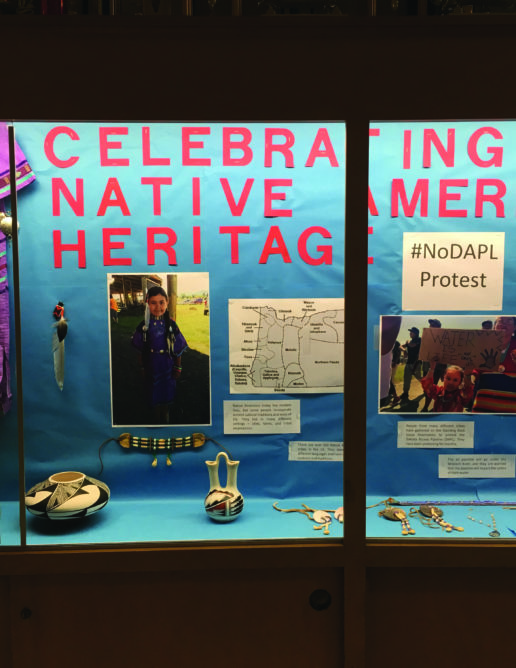
A 2nd-grade teacher shows how connecting a student’s home to the classroom led to profound lessons for all her students — in this case, about pipelines and climate justice.
Check out these valuable resources, reviewed by Rethinking Schools editors and Teaching for Change colleagues.
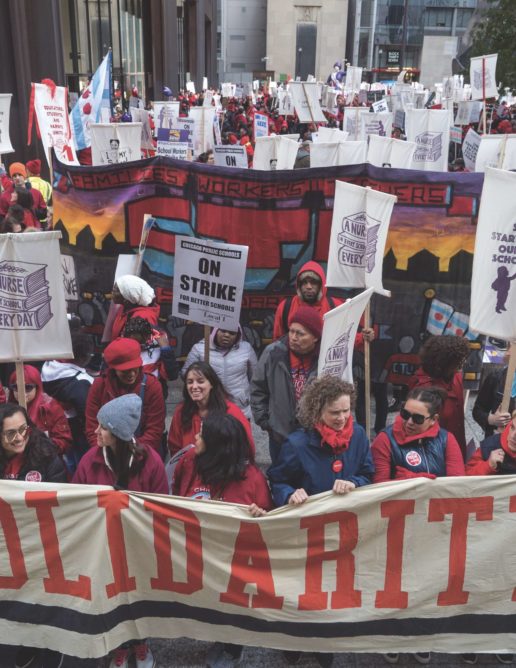
In 2018, numerous commentators portrayed the West Virginia, Oklahoma, Arizona, and Kentucky school walkouts as a purely “red state” phenomenon. But events this year have made clear that the strike […]
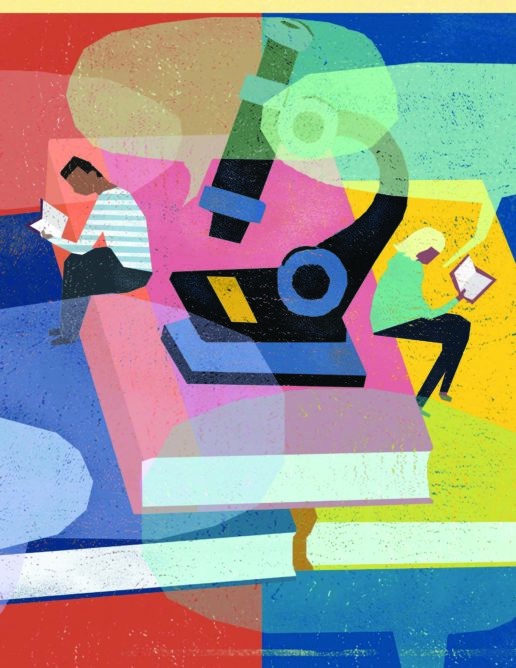
Oogenesis? Heterozygous? Science vocabulary can be difficult for students, especially English language learners. A science teacher describes how she reorients science classrooms to make vocabulary accessible.
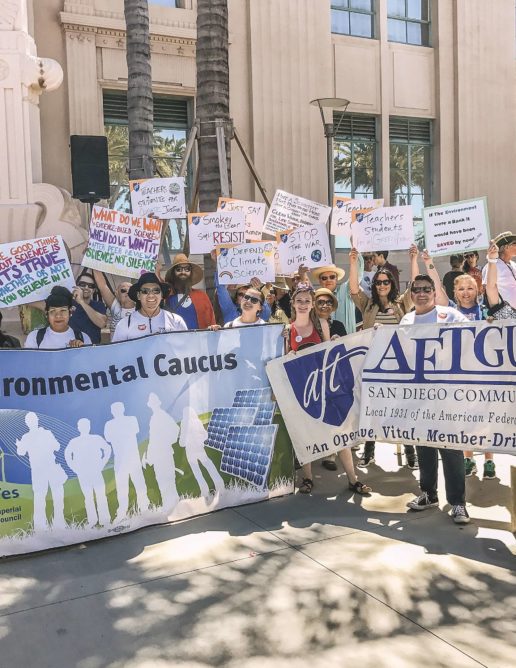
As young people across the country join the global movement to mobilize school strikes to demand climate action, one group is starting to think more seriously about how to best support those efforts: their teachers.
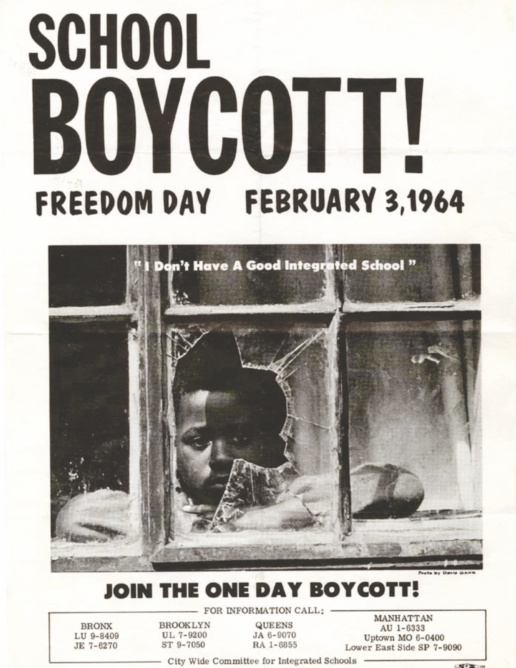
The largest civil rights protest wasn’t in the South, it was in New York City in 1964 when hundreds of thousands of students stayed home to protest school segregation. Here’s how today’s students reacted to a lesson about this historic boycott.
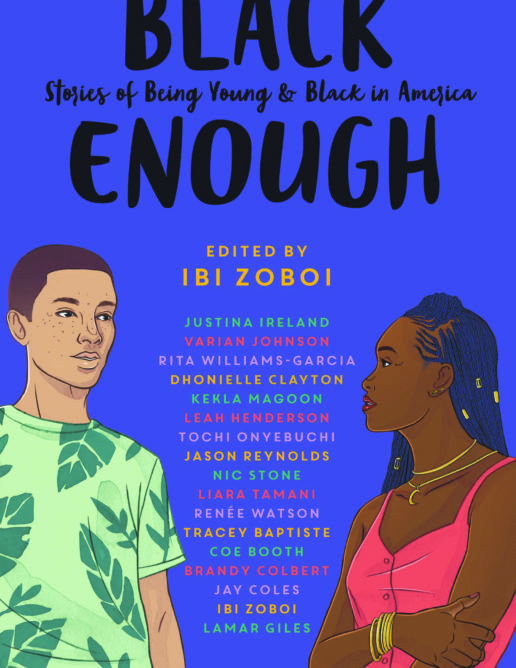
Check out these valuable resources, reviewed by Rethinking Schools editors and Teaching for Change colleagues.
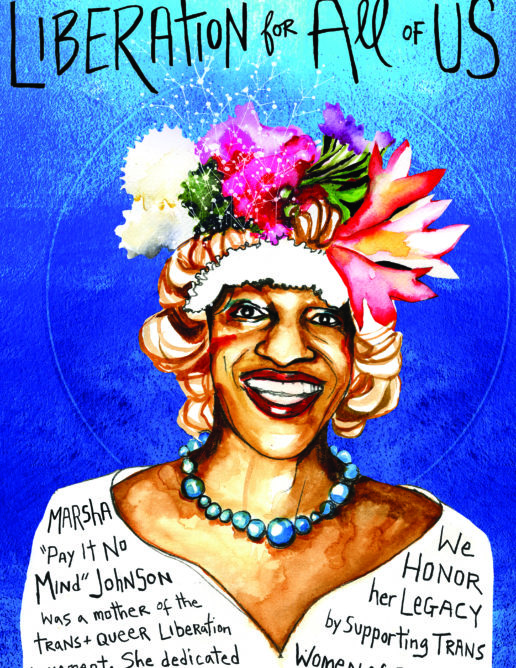
A Black freedom organizer demands that teachers and activists radically change their frameworks around Black history by lifting up the stories of Black LGBTQ people like Marsha P. Johnson.
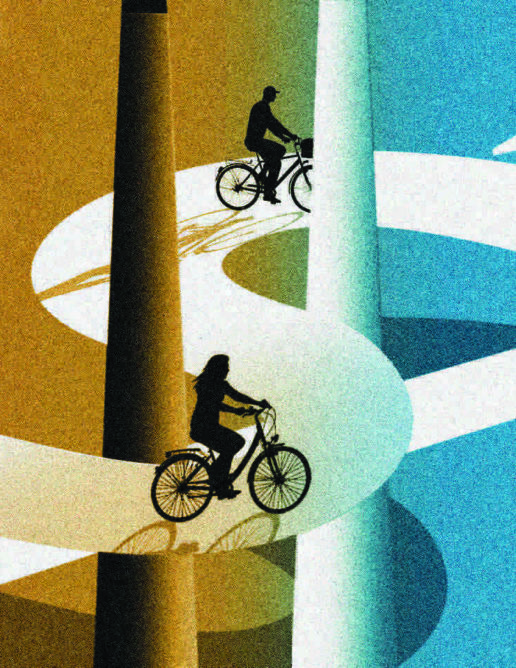
The latest installment of our Earth, Justice, and Our Classrooms column looks to a piece of very good news that national media missed following the 2018 midterm elections. By a margin of almost two-to-one, tens of thousands of Portland, Oregon, voters approved an imaginative clean energy initiative that offers a model for the rest of the country — at the ballot box, but also in our classrooms.
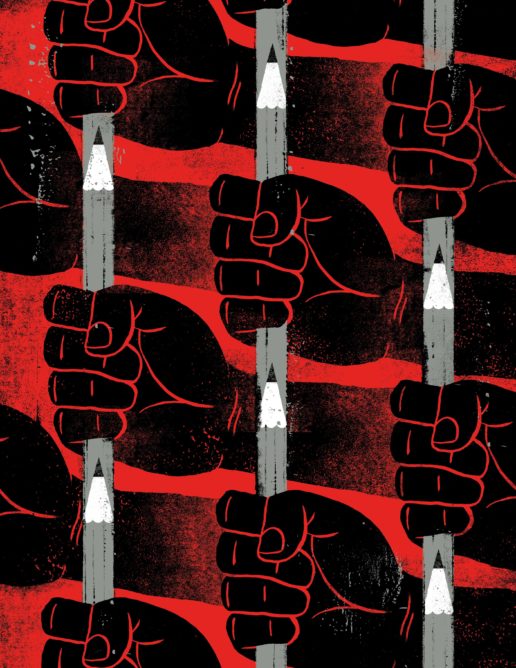
A Connecticut educator who taught English to incarcerated young men for 20 years describes what happened when she introduced her students to the Canadian “Leap Manifesto.”
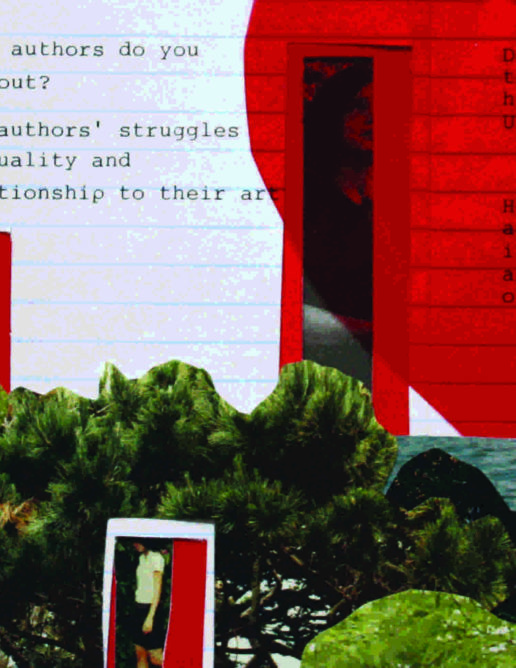
A high school English teacher (also the QSA staff advisor) wrestles with the suicide of a transgender student and calls on heterosexual and cisgender teachers to integrate LGBTQ authors, themes, and history into their classrooms.
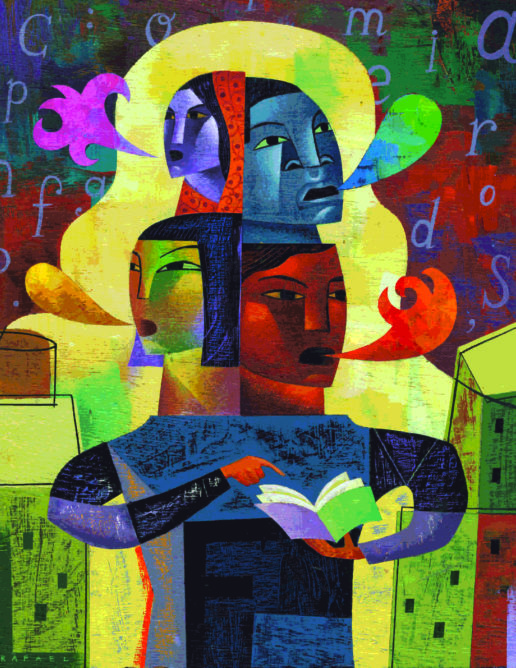
The director of a world language teacher preparation program argues for an end to the edTPA because it bars native Spanish speakers from public school classrooms.
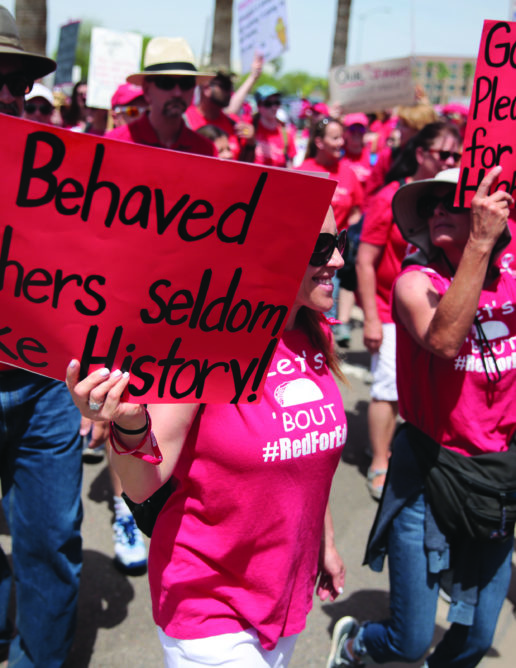
An elementary teacher who helped organize Arizona educators to strike explains how their movement formed and operated, and how it can inspire other teachers’ movements.
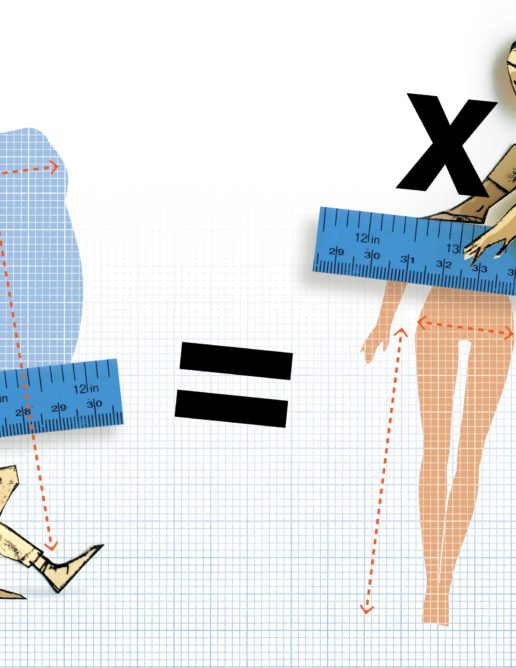
A math teacher uses Barbies and action figures to teach proportional reasoning and other skills — and to help students think about society’s expectations of our shapes and sizes.
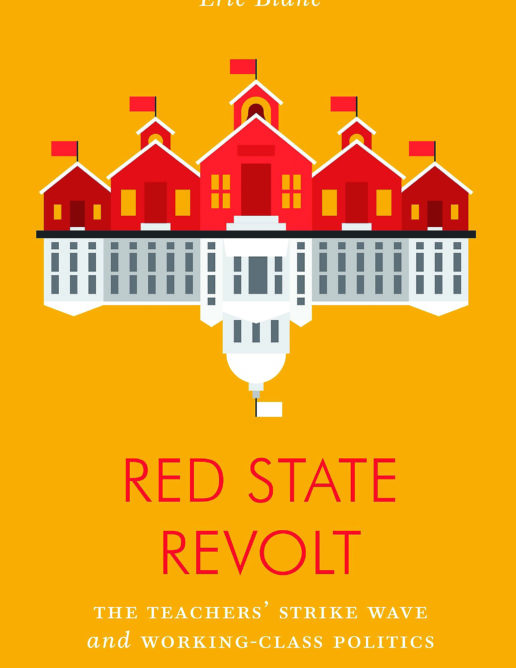
Fred Glass reviews Eric Blanc’s Red State Revolt: The Teachers’ Strike Wave and Working-Class Politics
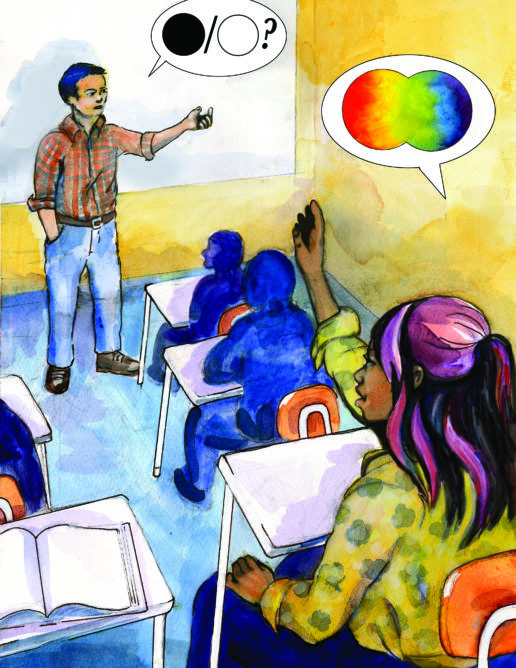
A biology teacher focuses on how rethinking classroom language around gender and reproduction can impact inclusion.
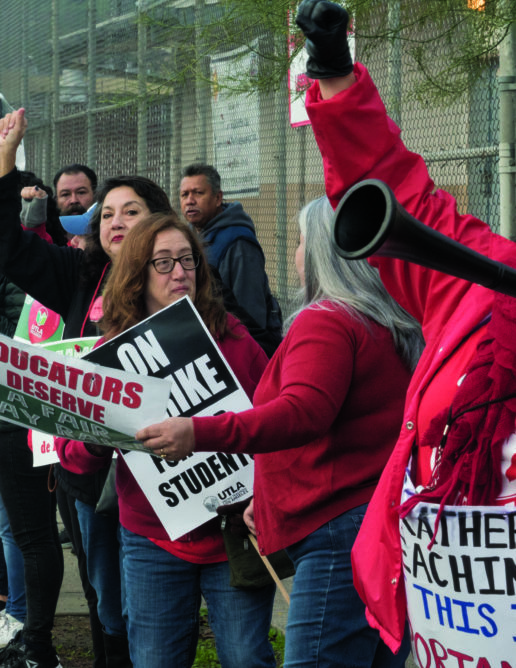
Rethinking Schools editor Jesse Hagopian interviews Gillian Russom, a teacher and leader with UTLA, about how the Los Angeles teachers’ strike was organized, what it won, and what it could mean for the future of the #RedForEd movement.
Check out these valuable resources, reviewed by Rethinking Schools editors and Teaching for Change colleagues.
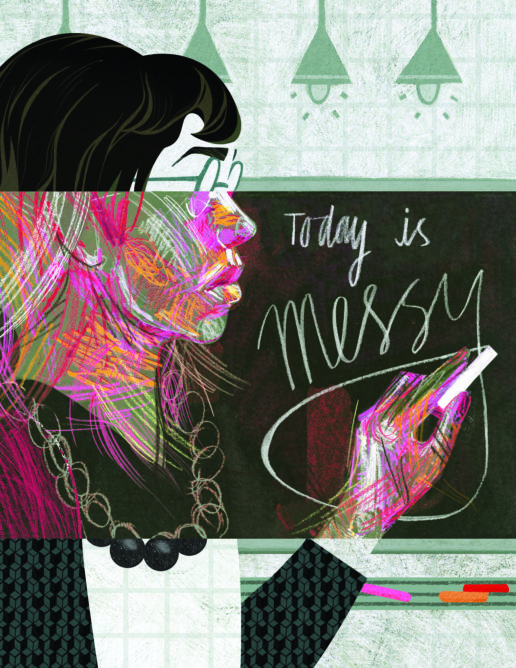
A special education teacher talks about the importance of sharing her own stories — and complexities — with students.
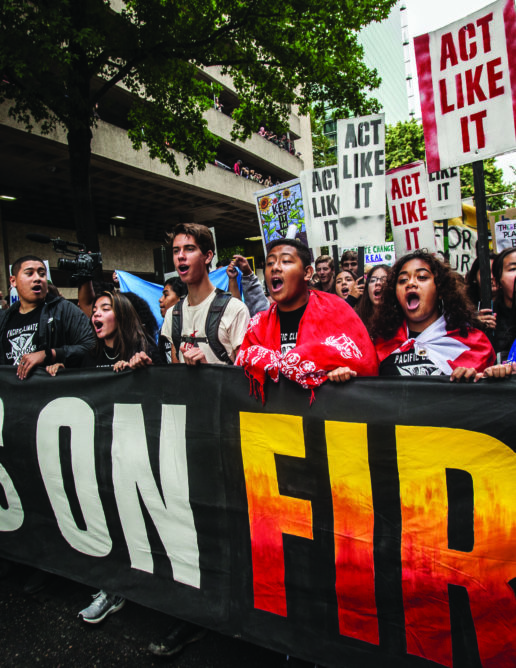
“Climate justice” education means a lot of things. But one key aspect is that we involve students in probing the social and economic roots of the crisis.
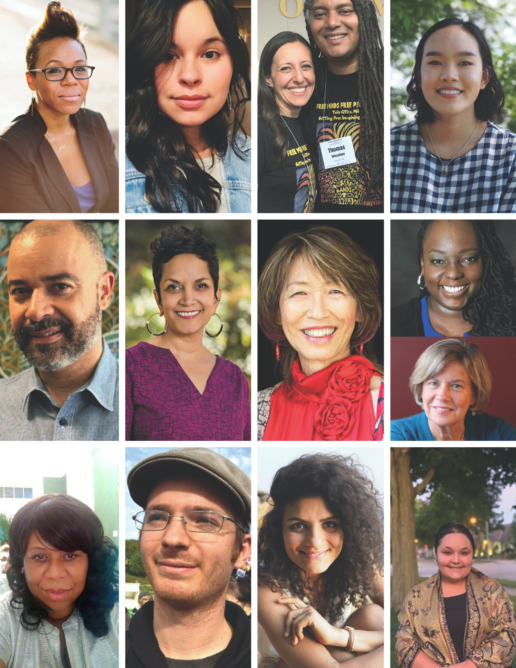
We asked a group of radical educators to weigh in on what they hoped would be part of any 2020 presidential candidate’s education platform.
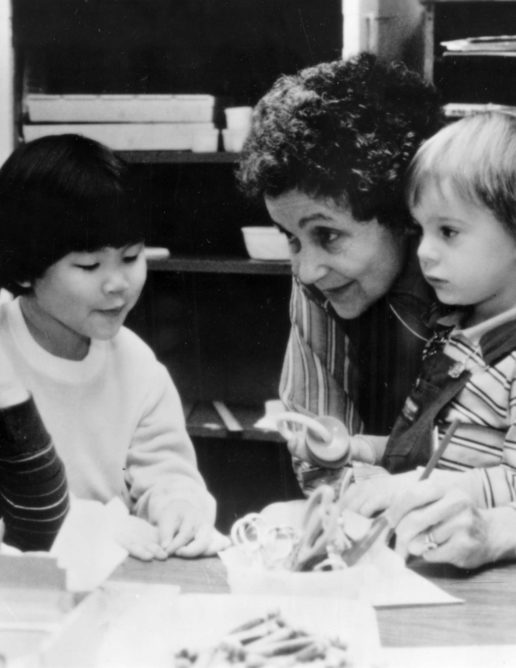
She was most at home in the company of little ones, exploring and questioning, checking things out, conducting everyday experiments arm-in-arm and shoulder-to-shoulder with the young. Children recognized her as a fellow traveler, took to her naturally, and invited her to join them on their endless searches and excursions. She never refused them, and willingly followed along — their magical, luminescent teacher. On July 26, 2019, the light went out, and Vivian Gussin Paley passed away.
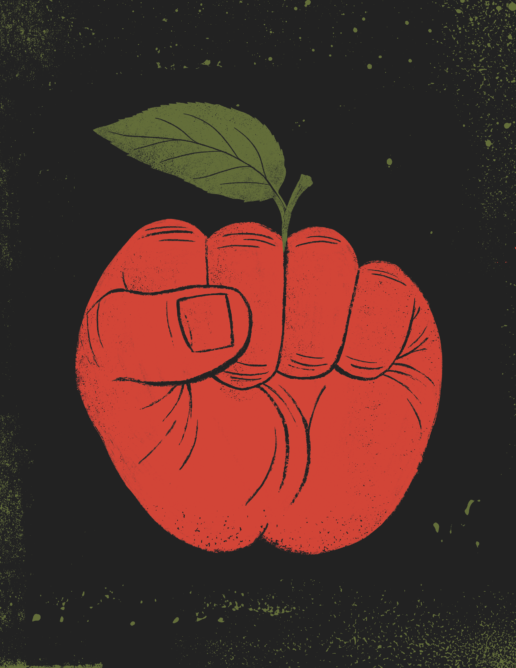
A Los Angeles teacher paints an intimate self-portrait of what it was actually like on the picket line during one of the most important public sector strikes in recent years.
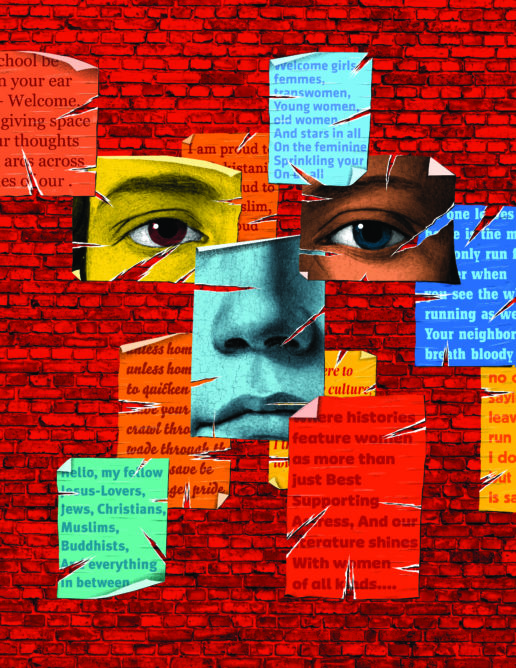
A teacher creates a welcome poems lesson to celebrate the diversity of students — and with students.