
Why We Should Teach Reconstruction
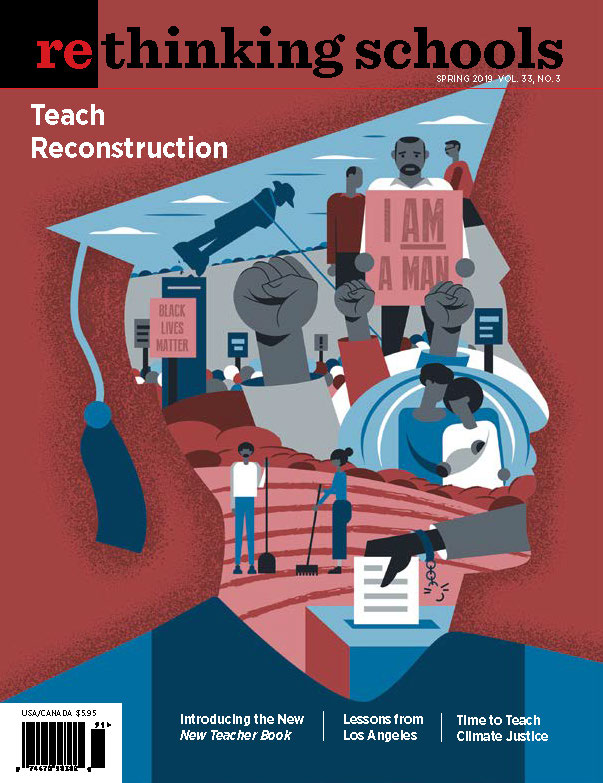
Unfortunately, the transformative history of Reconstruction has been buried. First by a racist tale masquerading as history and now under a top-down narrative focused on white elites. It’s long overdue we unearth the groundswell of activity that brought down the slavers of the South and set a new standard for freedom we are still struggling to achieve today.

40 Acres and a Mule
Role-playing what Reconstruction could have been
A high school teacher uses a role play so students can imagine life during Reconstruction, the possibilities of the post-Civil War era, and the difficult decisions that Black communities had to wrestle with.
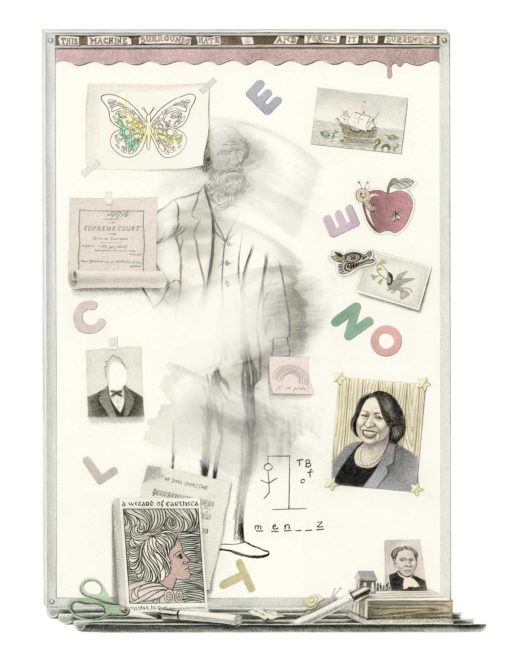
The School Formerly Known as LeConte
A debate in Berkeley about the power of a name
Across the United States, we are toppling monuments and former heroes. Past icons are rightfully crashing — in esteem and in our public and private spaces — as we begin the overdue process of reckoning with history. Contemporary heroes are being lowered, too. This vogue of name controversies might be seen as a petty preoccupation by detractors, but what could be a more powerful symbol than what we choose to name a school?

How Should We Sing Happy Birthday?
Reconsidering classroom birthday celebrations
A kindergarten teacher looks at birthday celebrations in her classroom and whether all of her students’ home languages and rituals are being uplifted.

Women of the Day
A high school teacher looks at how a daily activity focusing on the representation of women helped transform her classroom.
When Showing Up Isn’t Showing Up
A language arts teacher describes a school board debate in which she merely showed up, instead of showing up and fighting for communities of color.
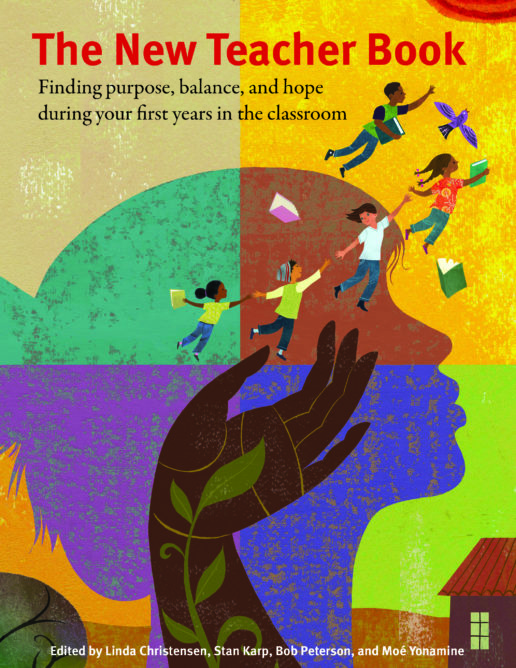
Introducing the New, New Teacher Book
We need teachers who want to work in a place where human connections matter more than profit. We also wrote this book because we have had days — many days — where our teaching aspirations did not meet the reality of the chaos we encountered. We have experienced those late afternoons crying-alone-in-the-classroom kind of days when a lesson failed or we felt like our students hosted a party in the room and we were the uninvited guests. We wrote this book hoping it might offer solace and comfort on those long days when young teachers wonder if they are cut out to be a teacher at all.
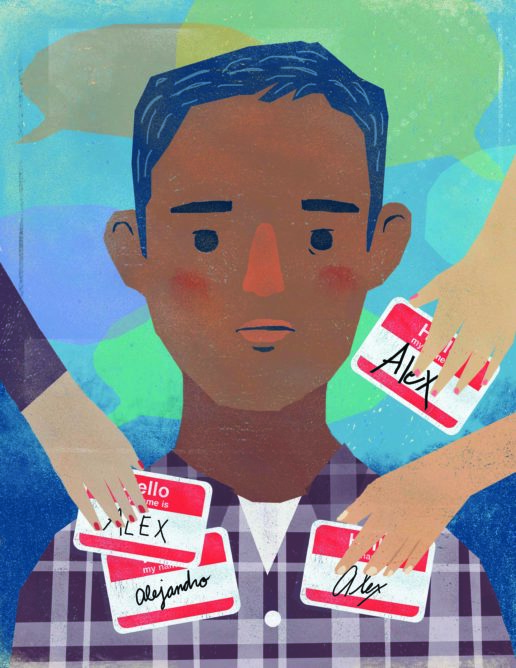
Honor Their Names
Students’ names are the first thing teachers know about the young people who enter our classrooms; they can signal country of origin, gender, language. Students’ names provide the first moment when a teacher can demonstrate their warmth and humanity, their commitment to seeing and welcoming students’ languages and cultures into the classroom.
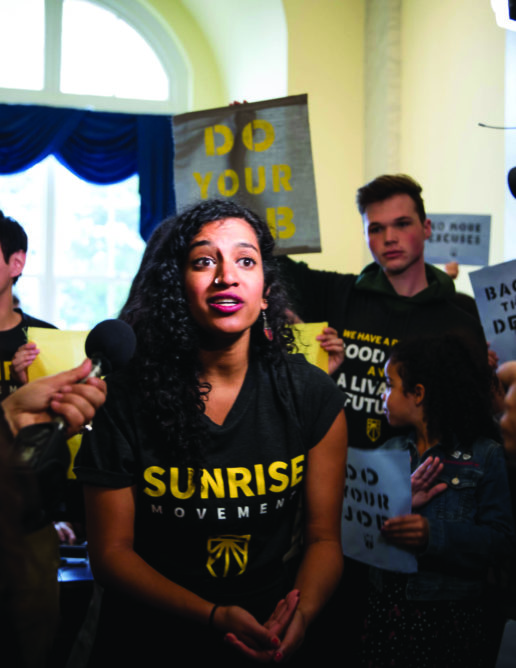
Our House Is on Fire — Time to Teach Climate Justice
Column: Earth, Justice, and Our Classrooms
In the latest installment of our regular column “Earth, Justice, and Our Classrooms,” Rethinking Schools curriculum editor Bill Bigelow writes about global youth activism around climate justice and the urgency of the crisis, and introduces readers to the Zinn Education Project’s Teach Climate Justice campaign.
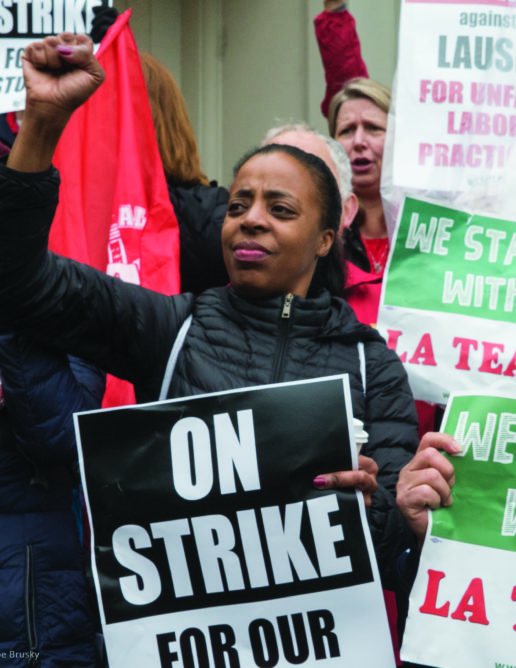
‘Billionaires Can’t Teach Our Kids’
Why the Los Angeles teachers' strike was historic
There’s no need for teachers in other cities to reinvent the wheel: study Los Angeles.
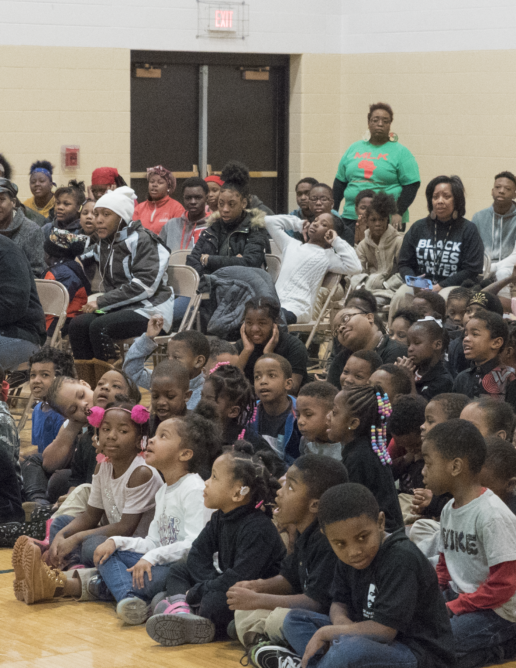
Black Lives Matter at School Week of Action
An uprising for racial justice in education
In an era when a U.S. president calls Haiti and African nations shithole countries; a time when hate crimes are on the rise; a time when Black students are suspended at four times the rate of white students; and a time when we have lost 26,000 Black teachers since 2002, building a movement for racial justice in the schools is an urgent task. Black lives will matter at schools only when this movement becomes a mass uprising that unites the power of educator unions and families to transform public education.

Children Deserve Classrooms, Not Cages
A “Teach-In for Freedom” is organized by Teachers Against Child Detention.
The same mid-February weekend that Trump declared his manufactured emergency, I traveled to El Paso on behalf of the Massachusetts Teachers Association to take part in a “Teach-In for Freedom” organized by Teachers Against Child Detention. This event, among other demands, “called on the U.S. government to end the detention and criminalization of immigrant children and their families.”
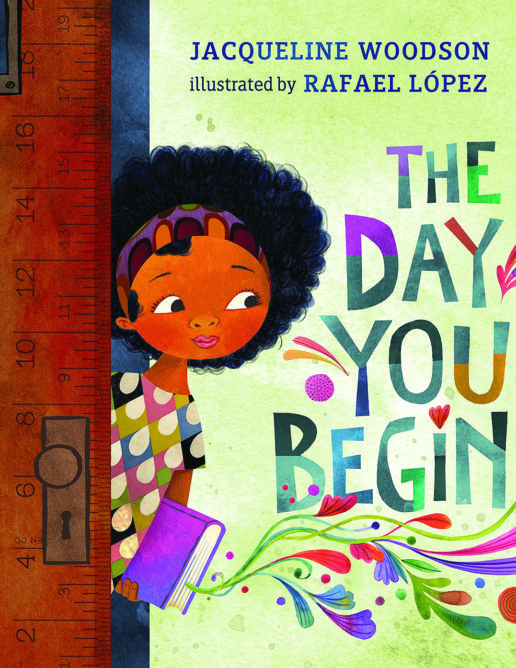
Our picks for books, videos, websites, and other social justice resources 33.3
Check out these valuable resources, reviewed by Rethinking Schools editors and Teaching for Change colleagues.
Letters 33.3
Thoughts from our readers.