
Bad Signs
What are the real messages in the inspirational slogans covering classroom walls? Plus some better alternatives.
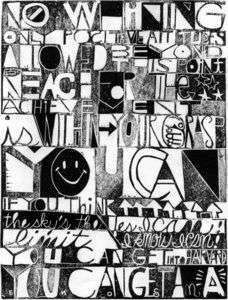
What are the real messages in the inspirational slogans covering classroom walls? Plus some better alternatives.
A middle school writing teacher reflects on a day spent scoring districtwide math tests.

Students analyze the impact of different seating arrangements in class, linking issues of power, space, and hierarchy to the world outside.
Math is at the center of student-generated projects on environmental, social, and political themes.
An investigative report on the analog conservatives and digital billionaires behind the films interlaced marketing and political campaigns.
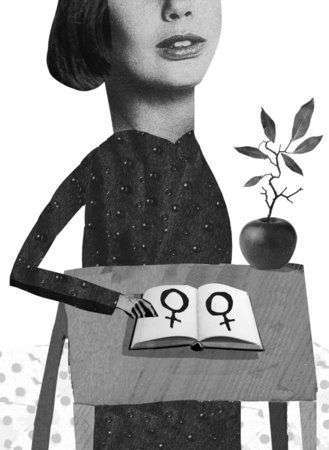
Adventures of an out teacher and some suggestions for deciding if and how to come out to your students.
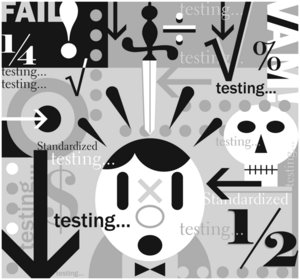
Six clear explanations why value-added measurements don’t make sense for teacher assessment.
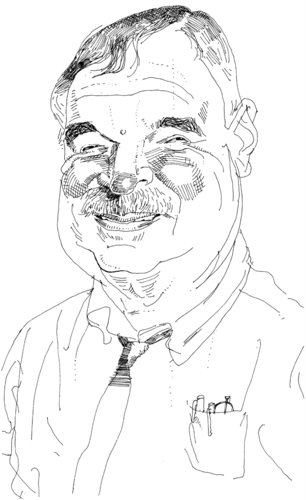
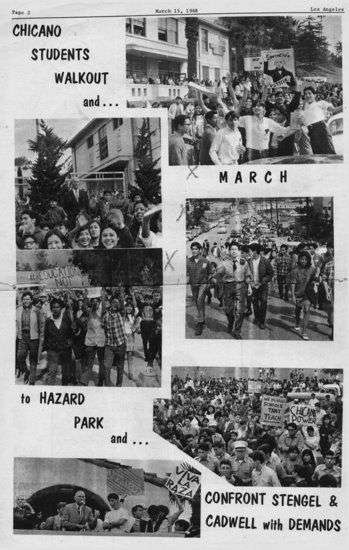
Reminiscences by the teacher who helped lead the 1968 Chicana/o student blowouts in Los Angeles.
The school building becomes text when a teacher uses place as a way to make history come alive.
When children are under attack, teacher educators need to instill activism as well as pedagogy in preservice teachers.
An insightful look at a country that decided to invest in teachers and social support instead of standardized testing.
A U.S. educator reflects on her experiences in Finland.
Elementary school students join a campaign to save school librarians.
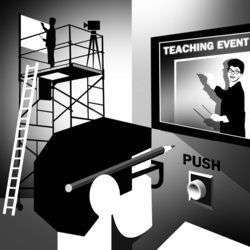
A California teacher educator analyzes the impact of Arne Duncan’s pet standardized test for credential candidates.
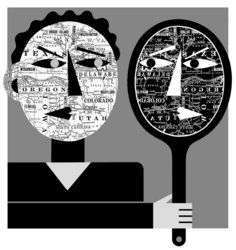
The new Texas standards deserve the bad press they’ve received, but Oregon’s aren’t that much better. How about the standards in your state?
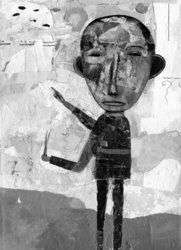
The Arizona legislature attacks ethnic studies, and it’s the tip of the iceberg.
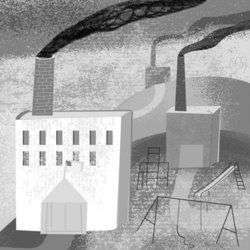
A middle school teacher tries to reclaim electives for students assigned to READ 180 instead.
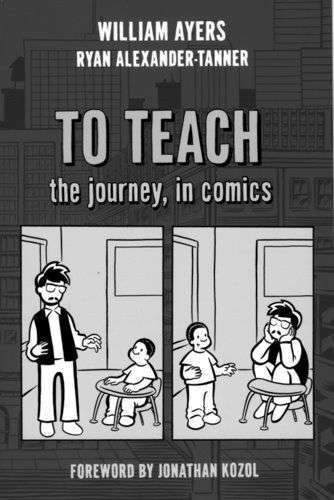
A peek at the new graphic novel that brings to life a best-selling memoir.
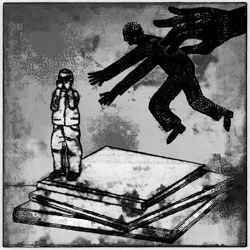
Picture books about immigration and citizenship rarely portray the issues that children from immigrant families face every day. Here is a framework to help teachers choose books and open discussion.
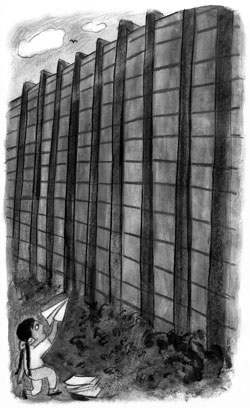
The story of one child whose father was deported casts light on a growing crisis.
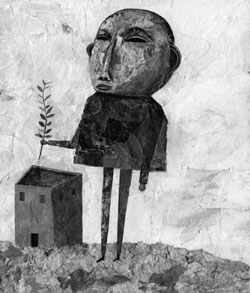
A role play engages students in exploration of a little-known piece of history – the deportation of people of Japanese origin from Latin American countries to U.S. internment camps and back to Japan as POWs.
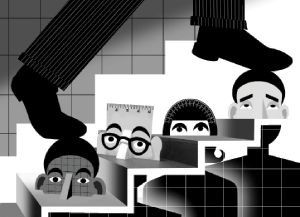
Education joins healthcare, the economy, and foreign policy as issues where campaign promises of change and hope have morphed into Washington business as usual – or worse.
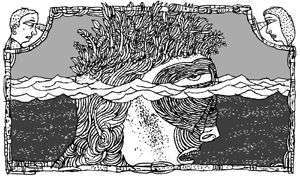
Students learn about the impact of climate change on the world’s most vulnerable cultures and geographic areas, then share their knowledge as they discuss strategy for saving the planet.
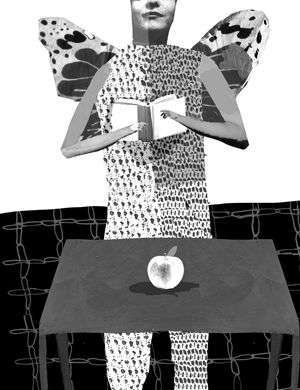
A middle-school teacher describes how he makes his classroom safe for broad discussions of gender identity and explains why anti-bullying curriculum isnt enough.
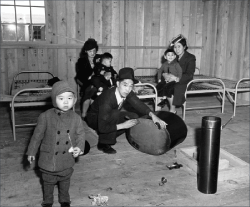
Literature and a tea party open childrens eyes to injustice and the fight for civil rights in the Northwest.