Overhauling NCLB: What You Can Do
8th-grade algebra meets rising gas prices and peak oil.

8th-grade algebra meets rising gas prices and peak oil.

Getting us out of the war in Iraq and NCLB requires challenging the premises that got us into these messes in the first place.

One union works for meaningful small school reform.
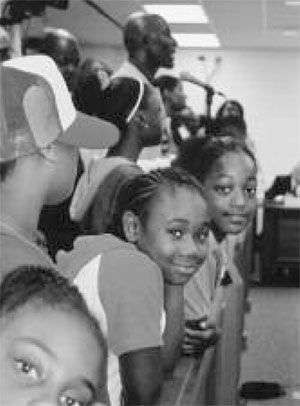
Chicago’s renaissance” could mean dark age for city’s public schools.”
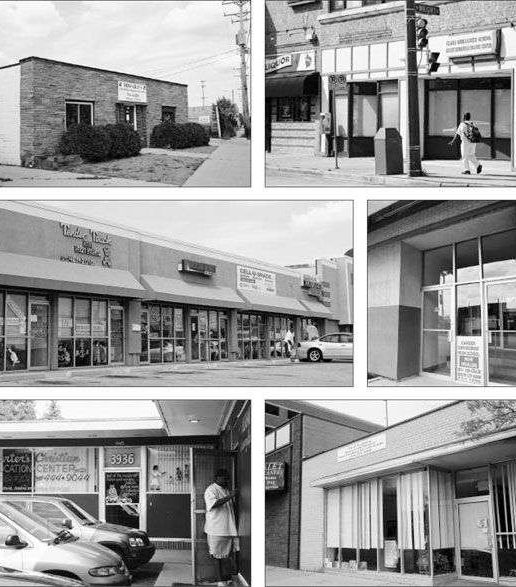
Graphic evidence that school vouchers do not guarantee school quality in Milwaukee.
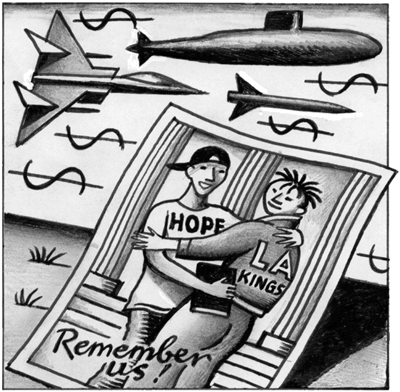
This content is restricted to subscribers

Reclaiming the democratic vision of small school reform.
How testing and top-down reform can undermine small schools.

The Gates’ $735 million have made them key players in small school reform.

Small schools reform is often accompanied by familiar buzzwords that can mean different things to different people (sometimes called stakeholders”).”

NCLB’s provisions give military recruiters access to student contact information

Making lemonade from NCLB lemons.

Republicans deliberately undermining Head Start.
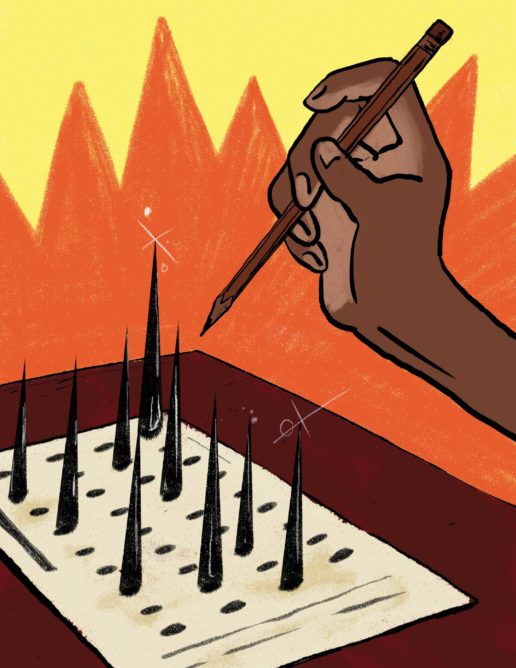
High-stakes tests have not only failed to achieve racial equality in schooling, they’ve also made it worse for students of color.
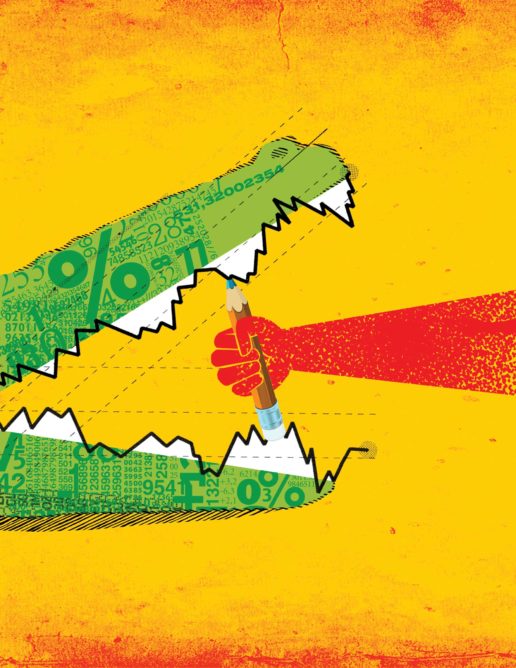
While high-profile tests like the SAT are problematic, Karp argues that we need to end the routine standardized tests that plague students and teachers.
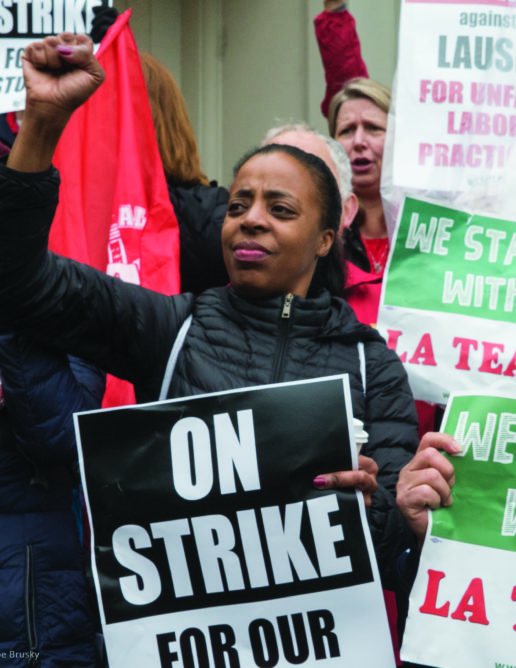
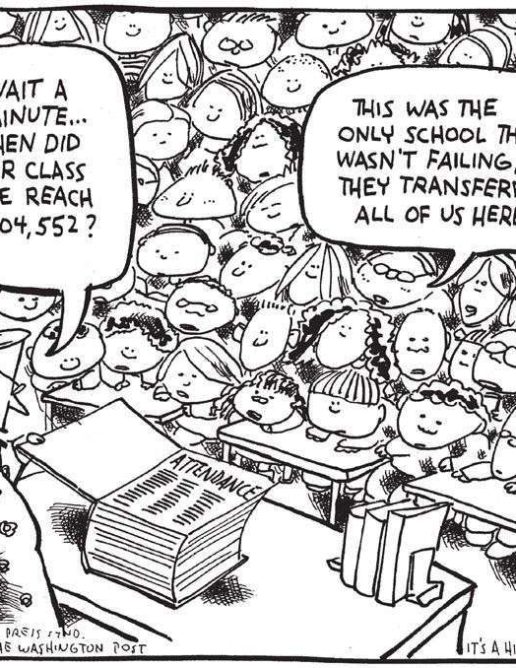
There’s no need for teachers in other cities to reinvent the wheel: study Los Angeles.
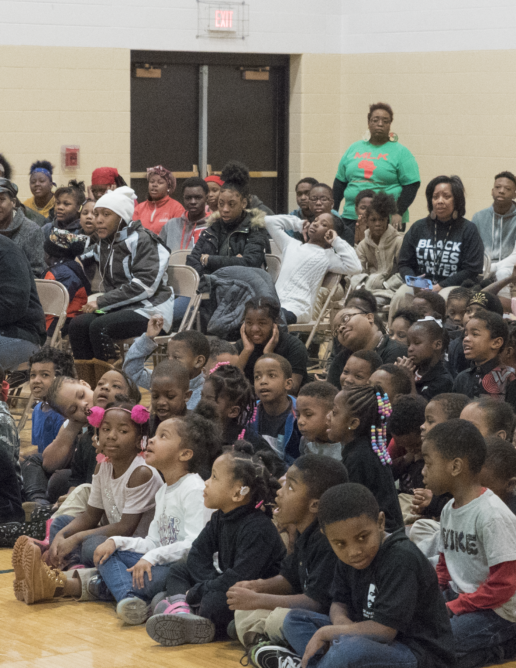
In an era when a U.S. president calls Haiti and African nations shithole countries; a time when hate crimes are on the rise; a time when Black students are suspended at four times the rate of white students; and a time when we have lost 26,000 Black teachers since 2002, building a movement for racial justice in the schools is an urgent task. Black lives will matter at schools only when this movement becomes a mass uprising that unites the power of educator unions and families to transform public education.

After teachers label her son’s behavior as problematic and try to have him evaluated by a psychologist, a Black parent uncovers why schools fail Black boys and begins organizing her community to challenge practices detrimental to them.
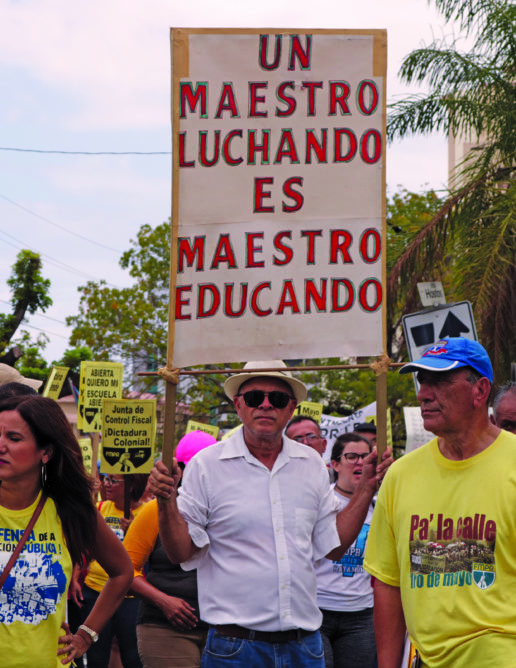
Union activists have been tirelessly organizing with communities, recognizing that these are the same stories of communities across the United States. The fight will go on, even as disaster capitalism on steroids wants to destroy the public education system.
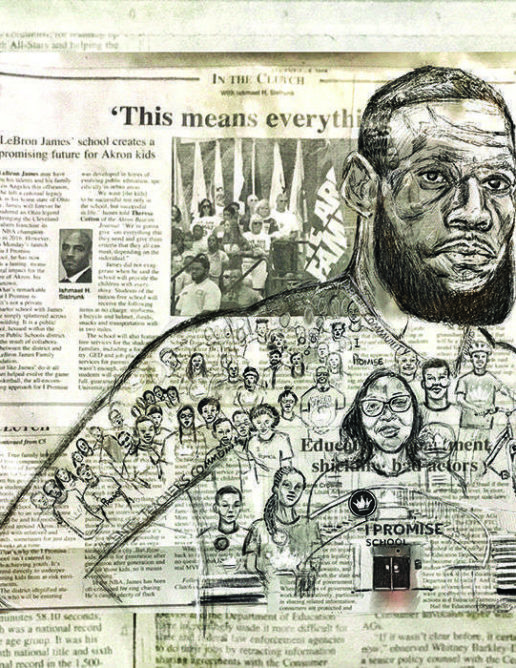
There are few public schools receiving as much attention these days as LeBron James’ I Promise School in Akron, Ohio — and it’s because it’s just that: a public school.
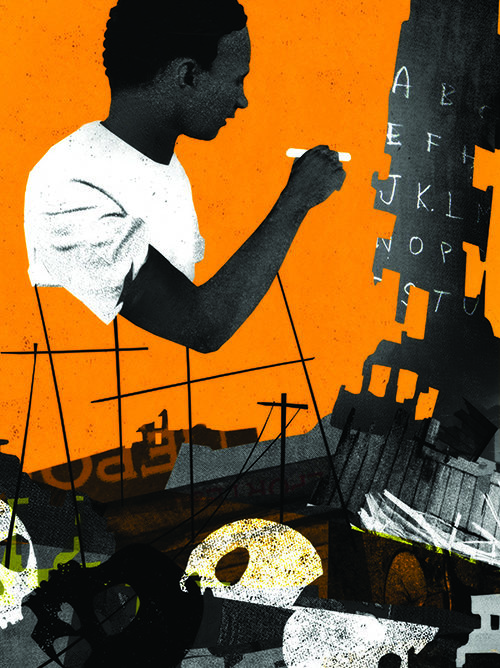
Immediately after an earthquake devastated Haiti in 2010, corporations swooped in to capitalize on the destruction and to privatize public enterprises. Hagopian explores how disaster capitalism hit the education system and what the effects were on students and families.
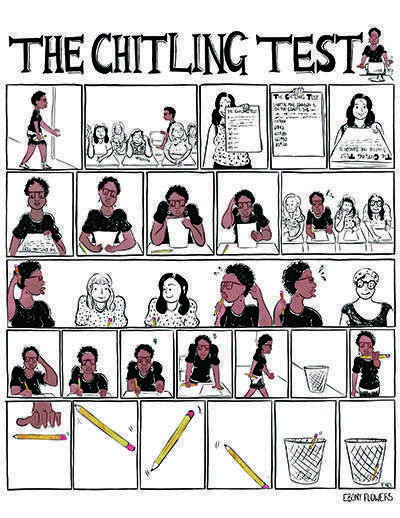
An educator reflects on how the education system has continually tested her Blackness from grade school through professional development, and argues that we need more Black spaces to nurture brilliance.
NCTQ, which claims to “provide an alternative national voice to existing teacher organizations and to build the case for a comprehensive reform agenda that would challenge the current structure and regulation of the profession,” was created by the Thomas B. Fordham Foundation in 2000 and incorporated in 2001 as a policy response to a perception that colleges of education were not adequately preparing teachers. According to education historian and NCTQ critic Diane Ravitch, the conservative members of the Thomas B. Fordham foundation perceived teacher training as problematic due to an overemphasis on social justice and a lack of focus on basic academic skills and abilities. Thus, NCTQ was originally founded as an entity through which to encourage alternative certification and circumvent colleges of education. Indeed, early on, NCTQ was closely connected to ABCTE (American Board for the Certification of Teacher Excellence), which created a series of tests that potential teachers could pass in order to bypass teacher education programs altogether by paying $1,995.00.
“We have something to tell you but we’re worried about getting you too involved. We don’t want to get you in trouble,” Baylee and Zaida whispered excitedly as they wiggled through the crack in my classroom door on my prep. I was confused to see them in such high spirits because earlier in the day they had been crushed by news from our administration. For more than two months they had been part of our Restorative Justice club that had been planning two half-day workshops around women empowerment for female-identifying students and toxic masculinity for male-identifying students. The club of 11 demographically diverse students had been urging adults in our building to do something about sexual harassment since October, when they made sexual assault and harassment their Restorative Justice club theme of the month and visited 9th grade classes to lead circles on the topic. This opened up a door for 9th graders to continue to reach out to upperclassmen about the harassment they were facing.

The second installment of our new environmental justice column focuses on one part of a resolution passed by the Portland, Oregon, school board that mandates the school district not use text material that doubts “the severity of the climate crisis or its root in human activities.”