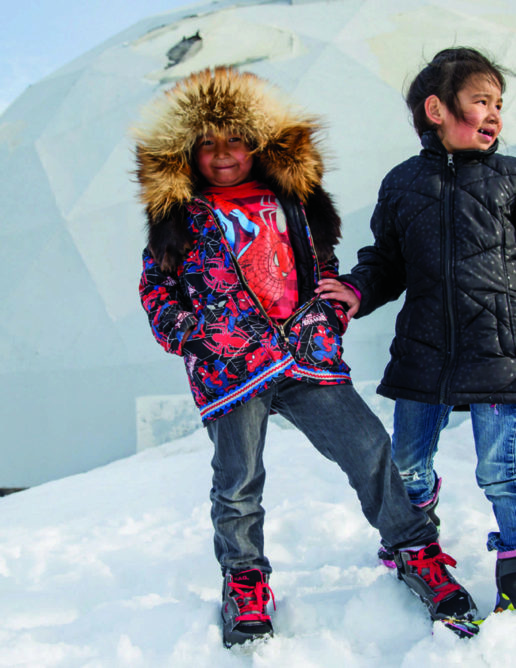
A journalist explores the way Indigenous language and community is connected to the classroom in several communities in Alaska, and explores how educators there have built new frameworks to fight against Eurocentric curriculum.
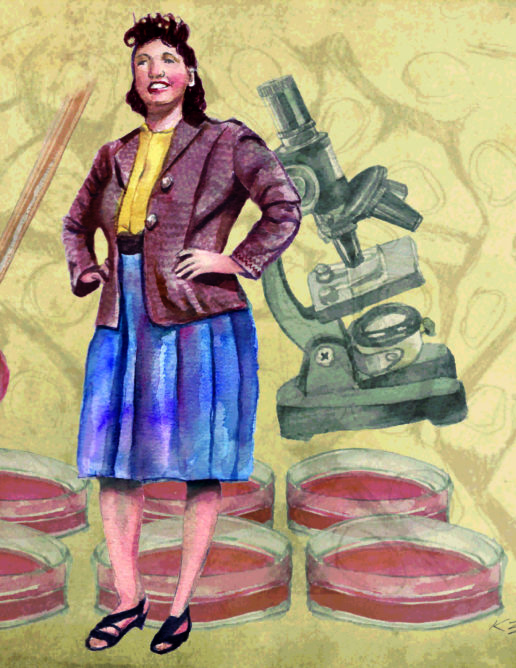
A science teacher includes Black voices and Black history in her classroom by building curriculum around The Immortal Life of Henrietta Lacks. In doing so, she shows how nonfiction books should not be relegated to language arts but can be effective in a science classroom.
As we return to our schools this fall, we need to rededicate ourselves to building an education system and a society that values Black lives.
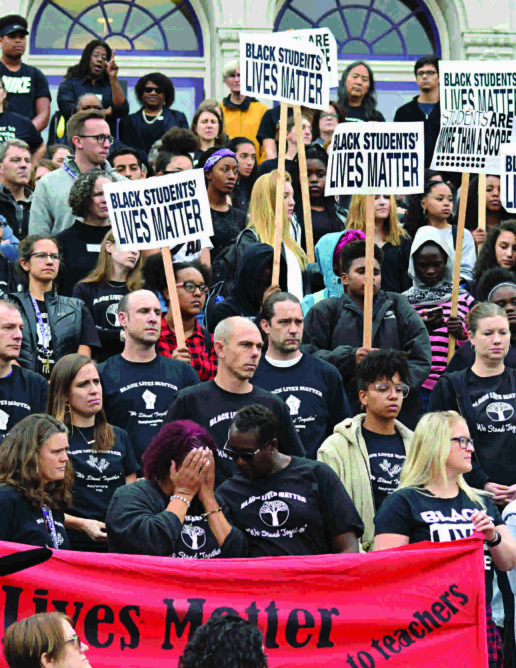
Teachers at one Seattle school show the important role educators have to play in the movement for Black lives, in part by creating a Black Lives Matter at School day, having 3,000 teachers wear Black Lives Matter T-shirts, and responding together to issues like the death of Charleena Lyles.
The executive director of San Francisco’s Arab Resource and Organizing Center describes the successes and obstacles for a community-based campaign to offer Arabic language instruction in the district’s schools.
Returning to her home country of Okinawa at 13, Moé Yonamine was hit by a teacher for speaking her Indigenous language. She reflects on the history of colonial oppression in Okinawa and the importance of keeping culture and language alive.
Educator Debbie Wei, co-founder of a folk arts-based school in Philadelphia’s Chinatown, describes her journey—from growing up as the child of Chinese immigrants who never spoke to her in their native language, to advocating for heritage language programs.
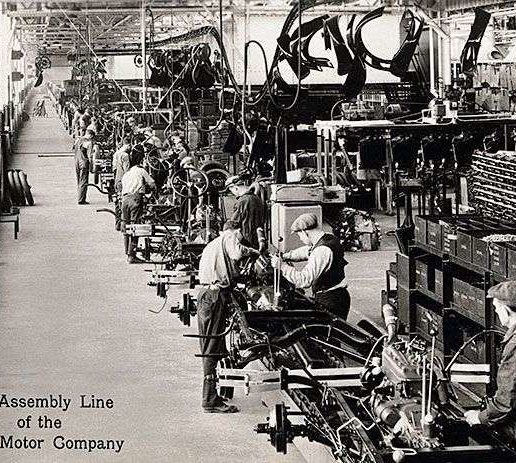
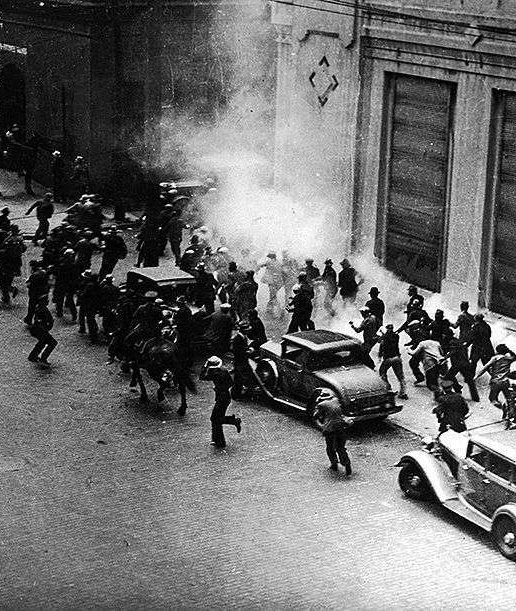
High school students play the Widget Boom Game to understand how overproduction and underconsumption helped cause the Great Depression.
A history teacher helps his students see the conservatism of the early New Deal and the impact of organizing and mass resistance.
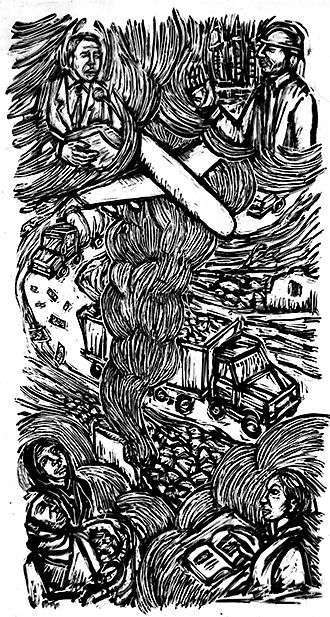
A high school teacher uses a role-play to explore the economic dimensions of the war in Iraq.
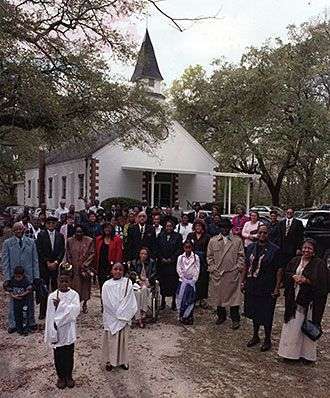
High school students embed themselves in a community’s history and people when they study the impact of “development” on historically African American Turkey Creek in Gulfport, Mississippi.
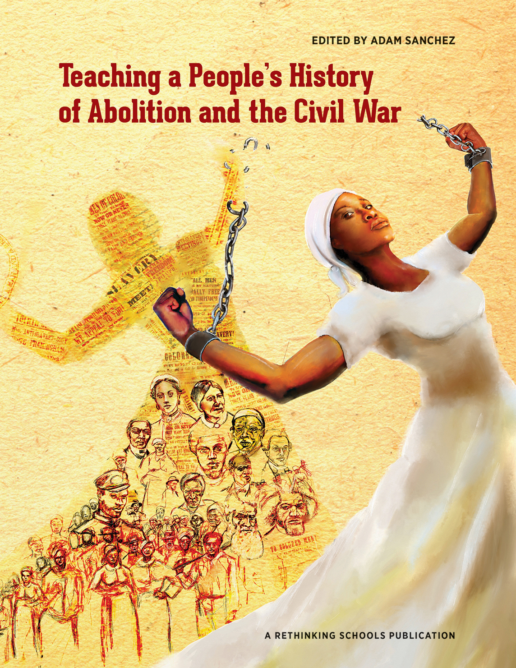
Teaching a People’s History of Abolition and the Civil War is a collection of 10 classroom-tested lessons on one of the most transformative periods in U.S. history. These lessons encourage […]
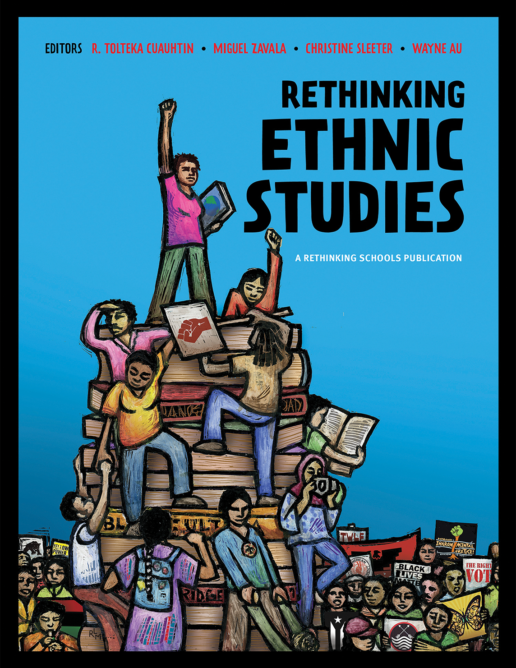
As part of a growing nationwide movement to bring Ethnic Studies into K-12 classrooms, Rethinking Ethnic Studies brings together many of the leading teachers, activists, and scholars in this movement […]
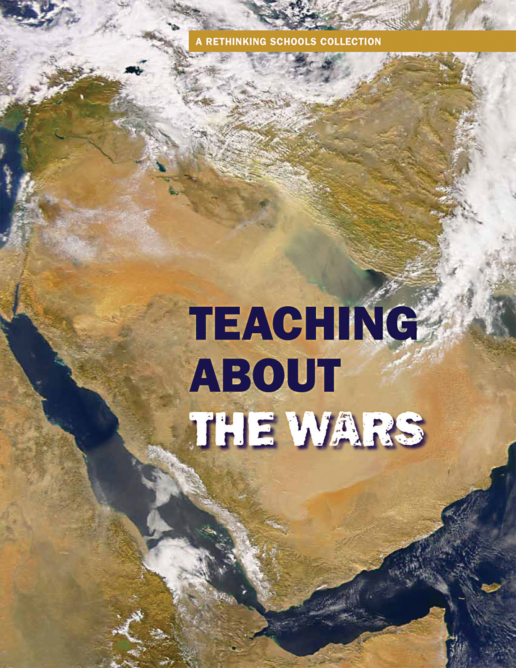
During his four years in office, President Trump pushed the United States closer toward war with Iran. After barely a month in office, President Joe Biden carried out airstrikes in […]
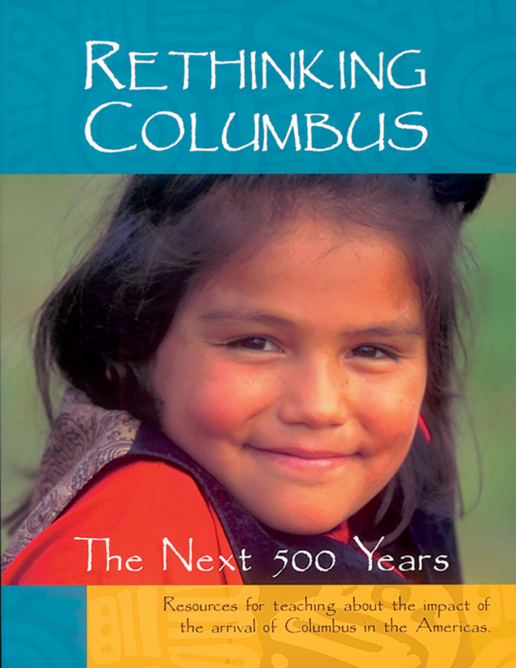
Why rethink Christopher Columbus? Because the Columbus myth is a foundation of children’s beliefs about society. Columbus is often a child’s first lesson about encounters between different cultures and races. […]
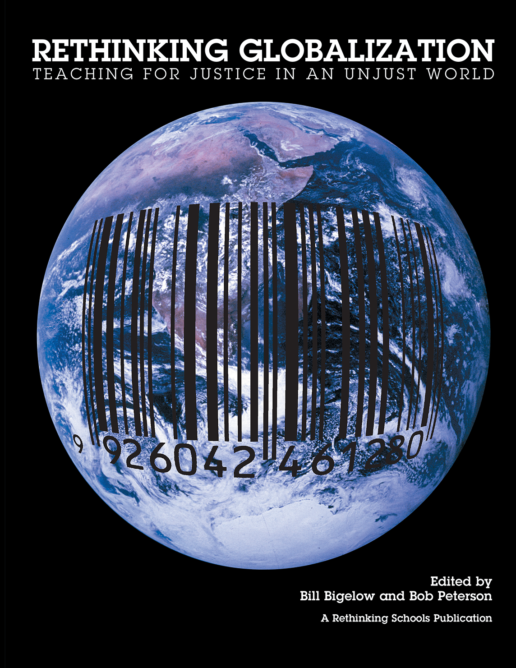
This comprehensive 400-page book from Rethinking Schools helps teachers raise critical issues with students in grades 4-12 about the increasing globalization of the world’s economies and infrastructures, and the many […]