
Our Grandparents’ Civil Rights Era
Second graders ask grandparents to write about their experiences during the Civil Rights Movement. The letters bring surprising wisdom – and some thought-provoking issues – to the classroom.
“
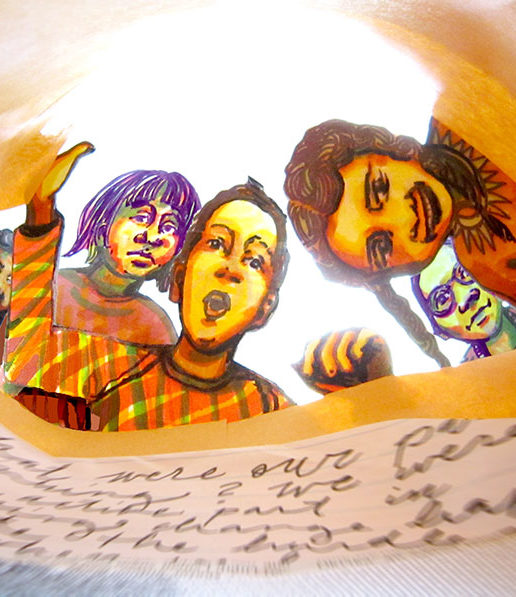
Second graders ask grandparents to write about their experiences during the Civil Rights Movement. The letters bring surprising wisdom – and some thought-provoking issues – to the classroom.
“
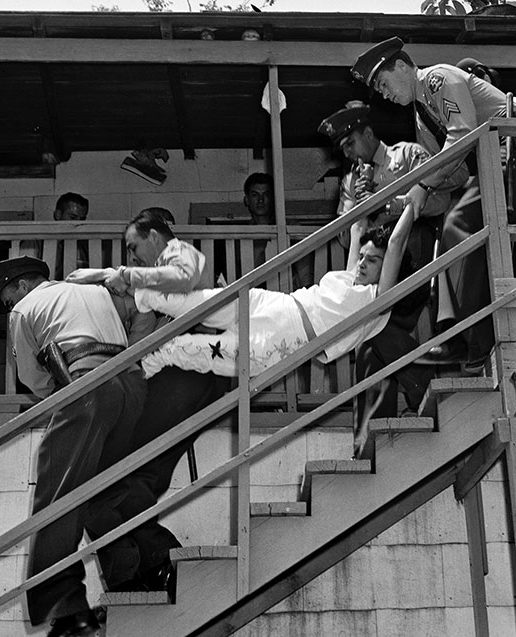
The historic destruction of the Chávez Ravine neighborhood in Los Angeles – to build Dodger Stadium – paves the way for students to understand changes in their own neighborhood. Second in a two-part series.
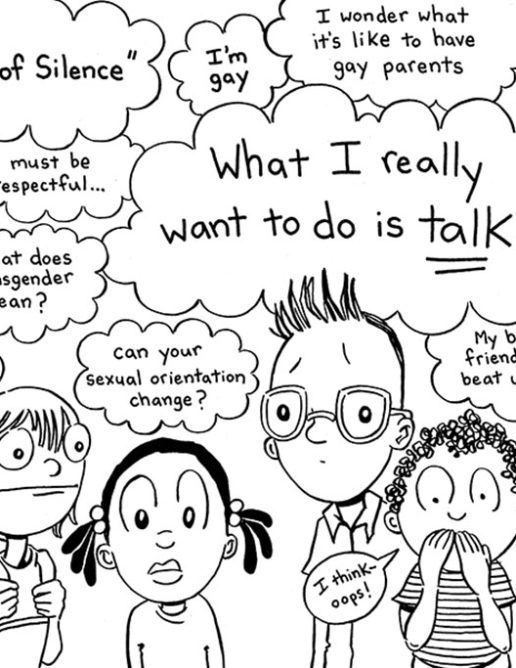
When the Day of Silence doesn’t work at a middle school, staff and students look for another way to talk about LGBTQ issues.
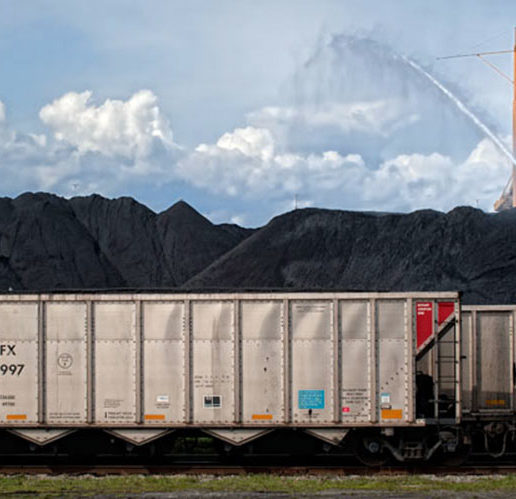
Ninth graders explore a plan to strip-mine coal in Wyoming and Montana, send it by train to the Northwest, then ship it to Asia to be burned.

By Soren Wuerth This story is part of Covering Climate Now, a global collaboration of more than 250 news outlets to strengthen coverage of the climate story. The first week of […]
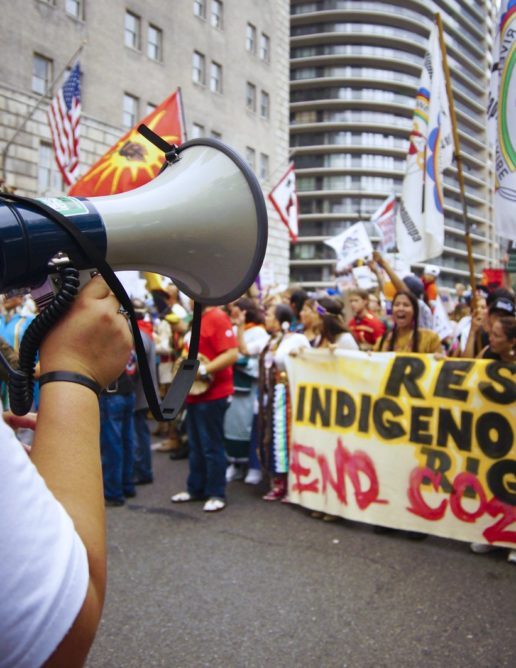
By Bill Bigelow This story is part of Covering Climate Now, a global collaboration of more than 250 news outlets to strengthen coverage of the climate story. A while back, I […]
TEACHING CLIMATE CHANGE AND THE ENVIRONMENTAL CRISIS As we celebrate Earth Day, we invite you to join us in taking sides for the Earth by teaching climate justice and becoming […]
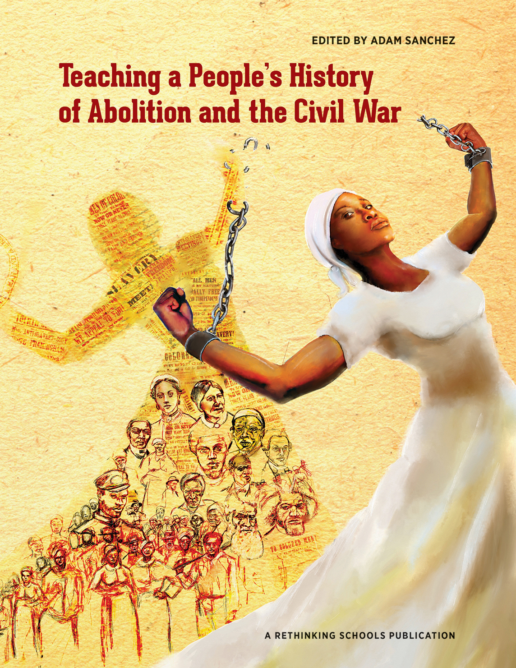
Teaching a People’s History of Abolition and the Civil War is a collection of 10 classroom-tested lessons on one of the most transformative periods in U.S. history. These lessons encourage […]
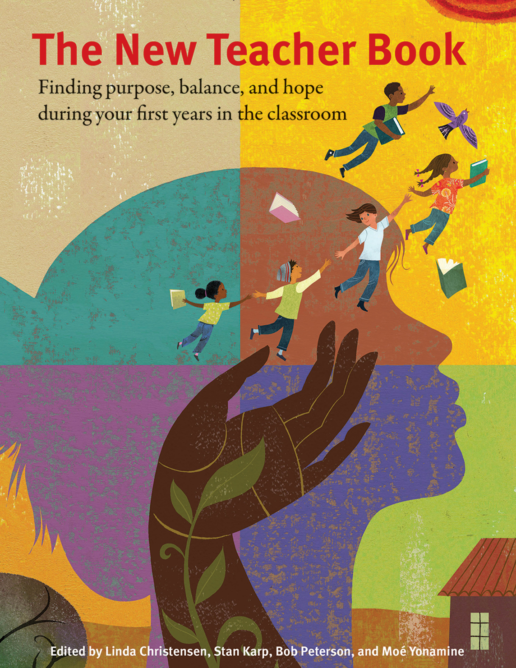
Newly revised and expanded third edition! This expanded third edition of The New Teacher Book grew out of Rethinking Schools workshops with early career teachers. It offers practical guidance on […]
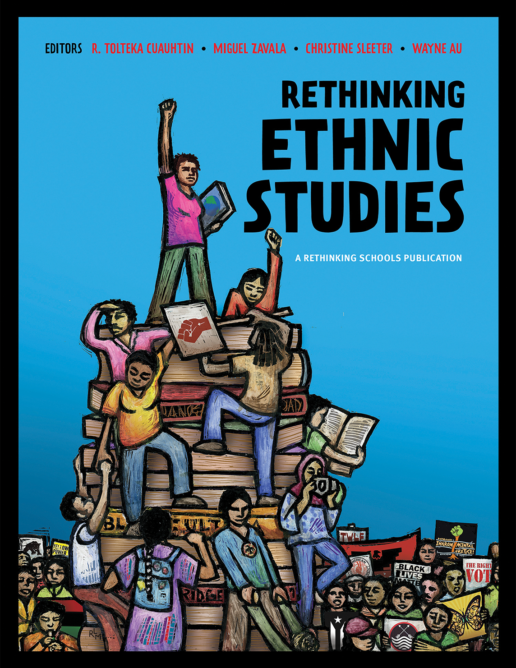
As part of a growing nationwide movement to bring Ethnic Studies into K-12 classrooms, Rethinking Ethnic Studies brings together many of the leading teachers, activists, and scholars in this movement […]
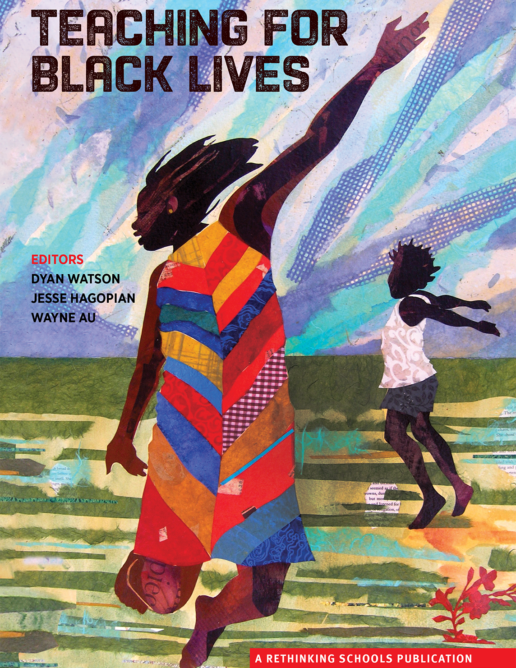
Teaching for Black Lives grows directly out of the movement for Black lives. We recognize that anti-Black racism constructs Black people, and Blackness generally, as not counting as human life. […]
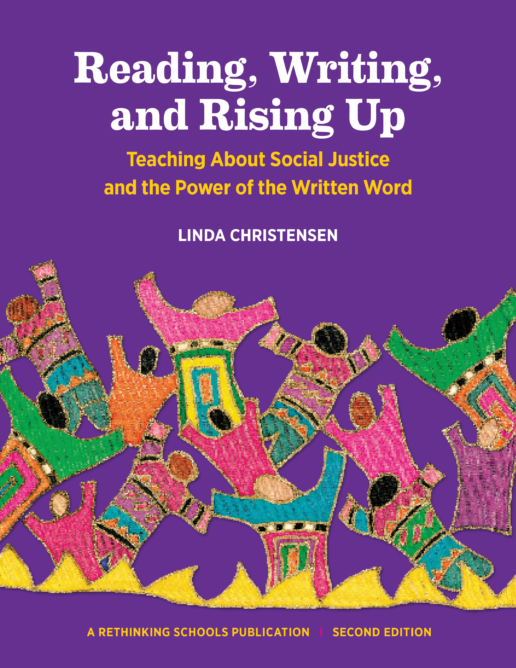
For almost two decades, teachers have looked to Reading, Writing, and Rising Up as a trusted text to integrate social justice teaching in language arts classrooms. This accessible, encouraging book […]
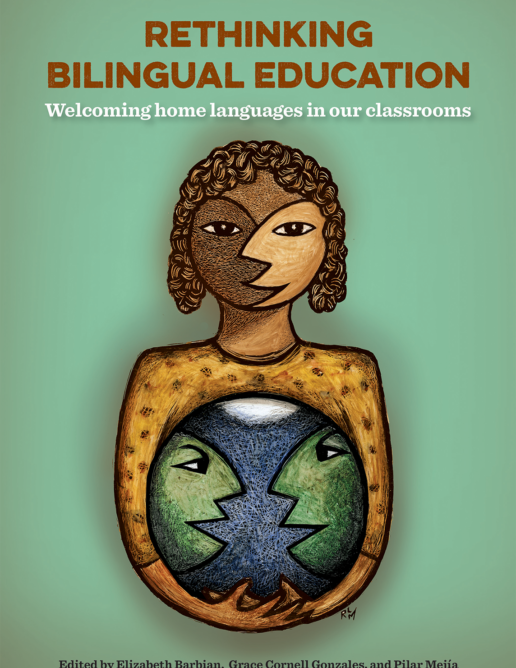
Rethinking Bilingual Education is an exciting new collection of articles about bringing students’ home languages into our classrooms. How do we bring social justice curriculum into our bilingual classrooms? How […]
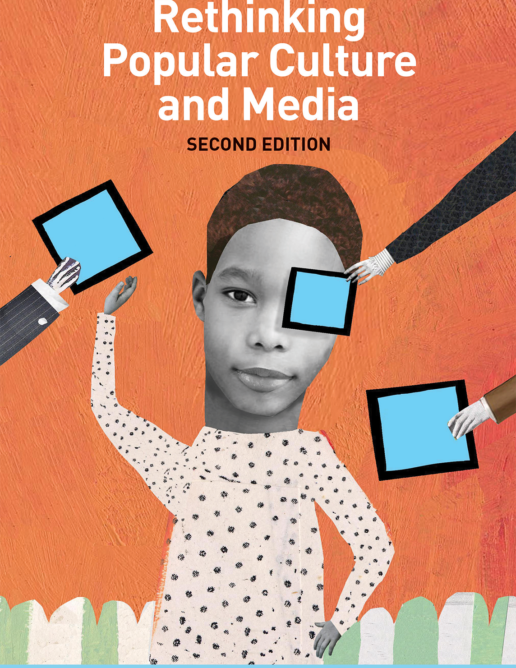
Rethinking Popular Culture and Media begins from the premise that the “popular” is political. Whether it’s Disney and Barbie, or Snapchat and Vine, youth navigate, shape, and repurpose popular culture. […]
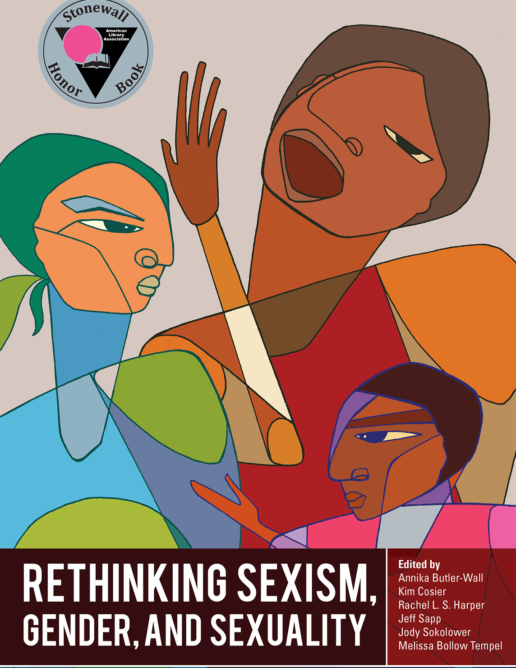
Rethinking Sexism, Gender, and Sexuality is a collection of inspiring stories about how to integrate feminist and LGBTQ content into curriculum, make it part of a vision for social justice, […]
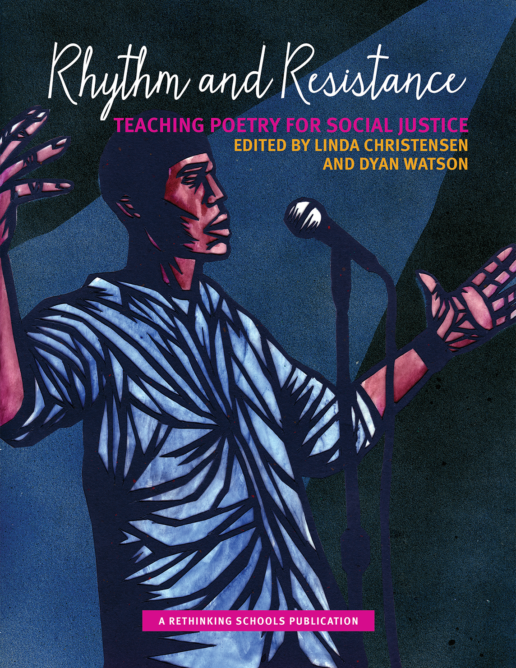
Offering practical lessons about how to teach poetry to build community, understand literature and history, talk back to injustice, and construct stronger literacy skills across content areas and grade levels—from […]
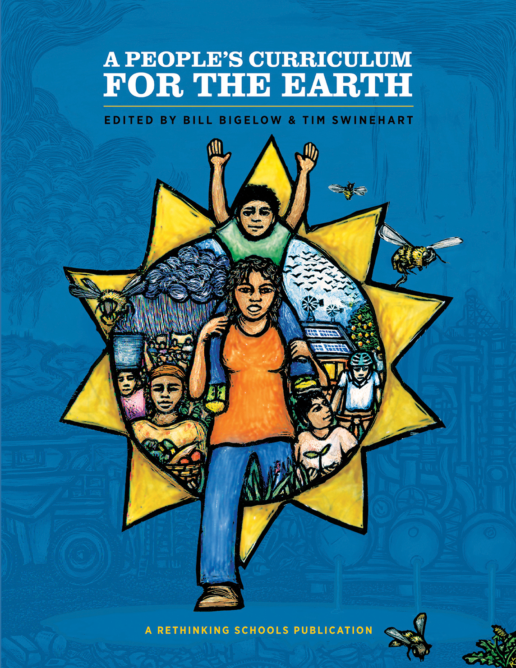
Five years in the making, A People’s Curriculum for the Earth is a collection of articles, role plays, simulations, stories, poems, and graphics to help breathe life into teaching about the environmental crisis. The book features some of the best articles from Rethinking Schools magazine alongside classroom-friendly readings on climate change, energy, water, food, and pollutionÑas well as on people who are working to make things better. A People’s Curriculum for the Earth has the breadth and depth of Rethinking Globalization: Teaching for Justice in an Unjust World, one of the most popular books we’ve published.
At a time when it’s becoming increasingly obvious that life on Earth is at risk, here is a resource that helps students see what’s wrong and imagine solutions.
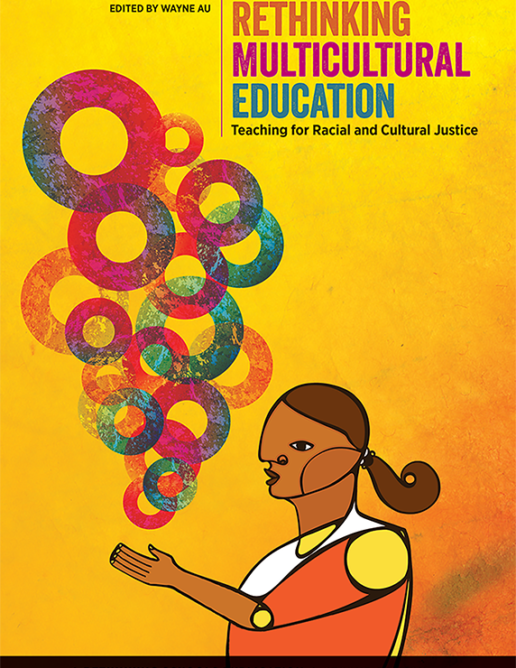
This new and expanded edition collects the best articles dealing with race and culture in the classroom that have appeared in Rethinking Schools magazine. With more than 100 pages of […]
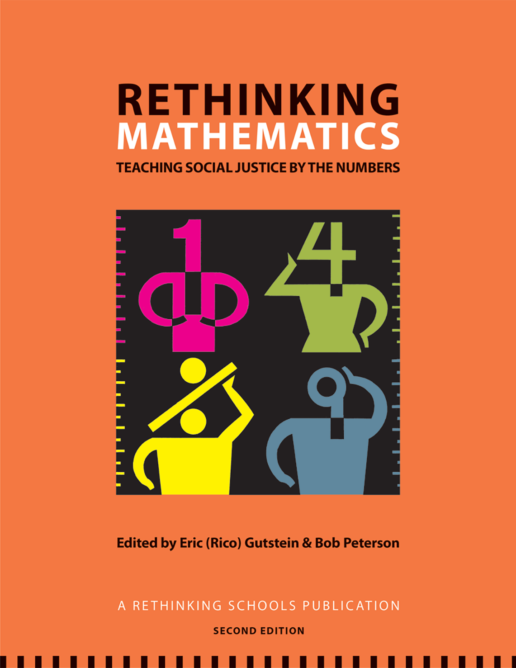
In this expanded and updated edition of Rethinking Mathematics, more than 50 articles show how to weave social justice issues throughout the mathematics curriculum, as well as how to integrate […]
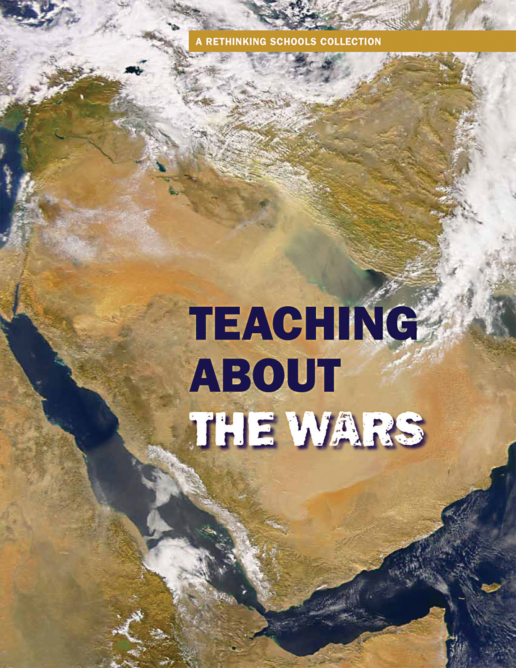
During his four years in office, President Trump pushed the United States closer toward war with Iran. After barely a month in office, President Joe Biden carried out airstrikes in […]
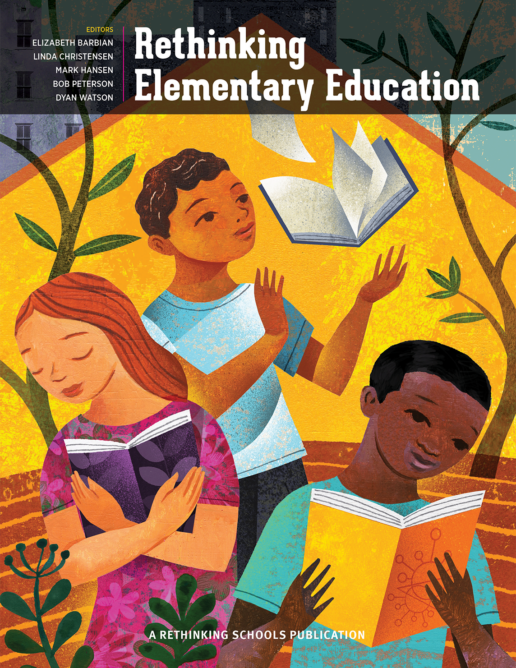
Rethinking Elementary Education collects the finest writing about elementary school life and learning from 25 years of Rethinking Schools magazine. The articles in this volume offer practical insights about how […]
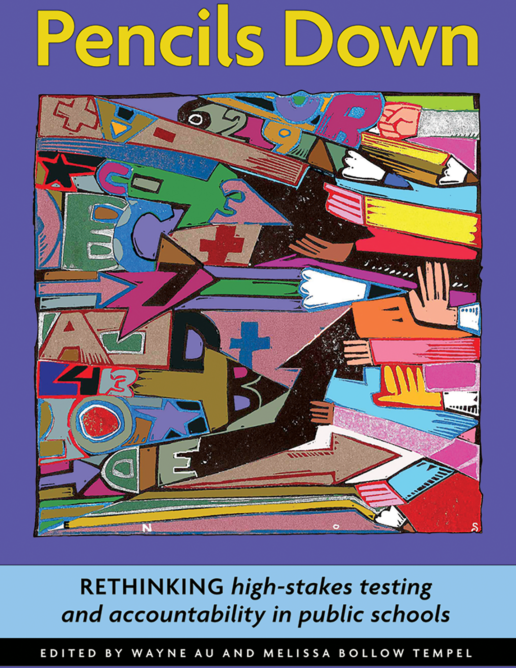
This powerful collection from the groundbreaking Rethinking Schools magazine takes high-stakes standardized tests to task. Despite overwhelming evidence that the tests are invalid ways to measure teaching and learning — […]
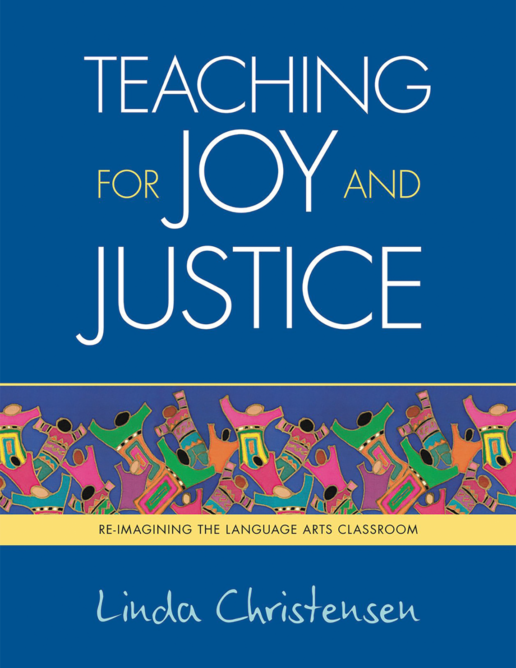
Teaching for Joy and Justice is the sequel to Linda Christensen’s bestselling Reading, Writing, and Rising Up. Christensen is recognized as one of the country’s finest teachers. Through stories, Christensen demonstrates […]
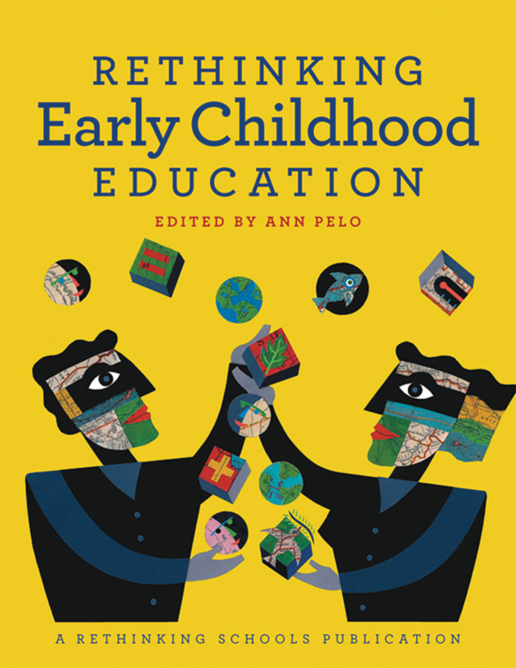
Rethinking Early Childhood Education is alive with the conviction that teaching young children involves values and vision. This anthology collects inspiring stories about social justice teaching with young children. Included […]

A People’s History for the Classroom helps teachers introduce students to a more accurate, complex, and engaging understanding of U.S. history than is found in traditional textbooks and curricula.
It includes a new introductory essay by veteran teacher Bill Bigelow on teaching strategies that align with Howard Zinn’s<em> A People’s History of the United States
These exemplary teaching articles and lesson plans — drawn from an assortment of Rethinking Schools publications — emphasize the role of working people, women, people of color, and organized social movements in shaping history, and raise important questions about patterns of wealth and power throughout U.S. history.
An understanding of the “people’s history of the United States” provides the perspective and analytical tools so important for making sense of Ñ and improving Ñ today’s world.
A People’s History for the Classroom was produced in cooperation with Teaching for Change, as part of the Zinn Education Project.
I can think of no better way to excite young people about the history of our country than to introduce them to the teaching activities in </em>A People’s History for the Classroom.”
-Howard Zinn, author of A People’s History of the United States