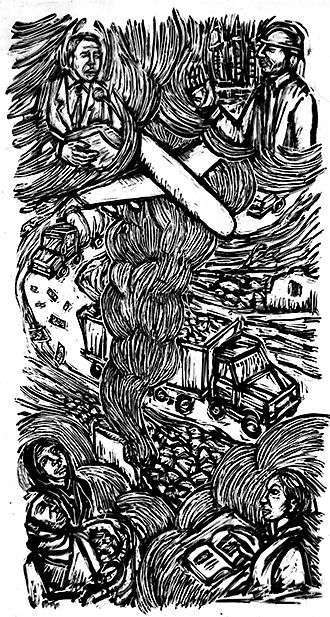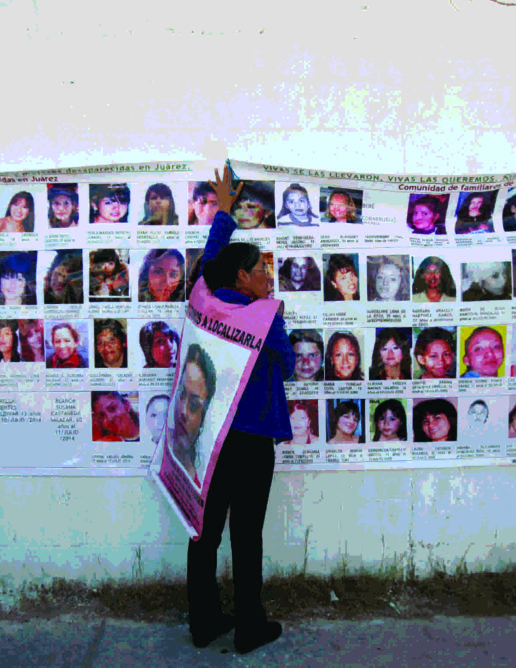
Since 1993, the Mexican border city of Ciudad Juárez has been shaken by disappearances of teenage girls and young women. Officials say they have few leads. The murders in Juárez have received some international attention, primarily due to government inaction. Yet little has been done by the government to prevent violence against women and girls, as officials neglect to bring their perpetrators to justice.
Residents do not let these deaths go unnoticed as hundreds of pink crosses — a symbol of these missing women — dot the border. An increase in these deaths coincided with the implementation of the North American Free Trade Agreement (NAFTA). A treaty between Mexico, the United States, and Canada, NAFTA sought to increase investment opportunities by eliminating tariffs and, like many other economic agreements, benefited the economic elites of the three countries while resulting in widespread unemployment, increased class stratification, and mass emigration. Most of the “disappeared” women work in assembly plants or maquiladoras, owned by the United States and transnational corporations that dashed to northern Mexico post-NAFTA to reap the benefits of lower wages and lax environmental regulation.
During a recent conversation, a former high school classmate said, “I always wondered why you left Eureka. I heard that something shameful happened, but I never knew what it was.”
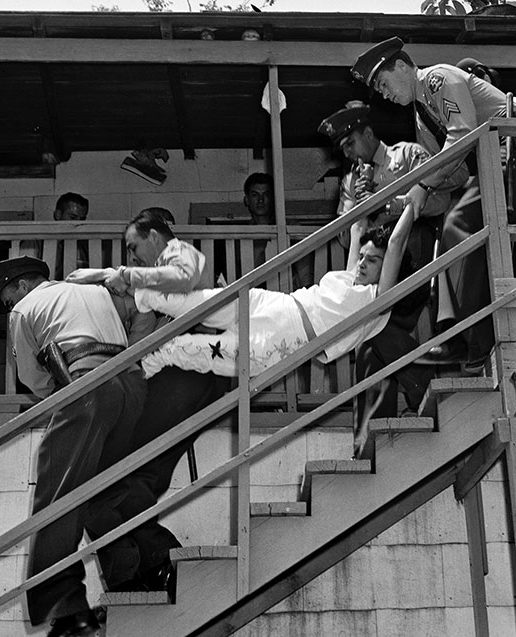
Yes, something shameful happened. My former husband beat me in front of the Catholic Church in downtown Eureka. He tore hunks of hair from my scalp, broke my nose, and battered my body. It wasn’t the first time during the nine months of our marriage. When he fell into a drunken sleep, I found the keys he used to keep me locked inside and I fled, wearing a bikini and a bloodied white fisherman’s sweater. For those nine months I had lived in fear of his hands, of drives into the country where he might kill me and bury my body. I lived in fear that if I fled, he might harm my mother or my sister.
I carried that fear and shame around for years. Because even though I left the marriage and the abuse, people said things like “I’d never let some man beat me.” There was no way to tell them the whole story: How growing up and “getting a man” was the goal, how making a marriage work was my responsibility, how failure was a stigma I couldn’t bear.
Using the experience of high school exit testing in New Jersey as an example, Stan Karp analyzes the gross negative impact of these high-stakes tests on students and schools.
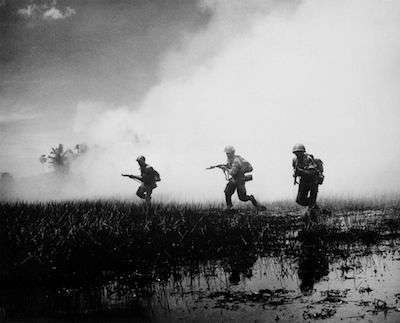
A teacher uses poetry and the creation of found poems as a way to get her students to think beyond the simple “two sides to every story” narrative of the Vietnam War.
“Ugh, Dress Codes!” The title of one of 15-year-old Izzy Labbe’s SPARK Movement blog posts encapsulates what I’ve heard so many girls say they feel about their middle and high […]
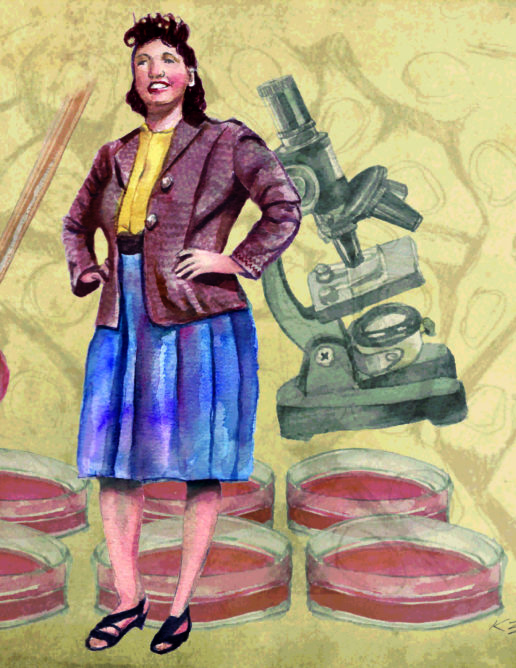
A science teacher includes Black voices and Black history in her classroom by building curriculum around The Immortal Life of Henrietta Lacks. In doing so, she shows how nonfiction books should not be relegated to language arts but can be effective in a science classroom.
A victory for ethnic studies in Arizona.
As we return to our schools this fall, we need to rededicate ourselves to building an education system and a society that values Black lives.
A science teacher in Washington, D.C., overcomes her students’ fear of nature by turning them into avid birdwatchers.
Sara Holbrook’s poems appear on the Texas STARR tests. Her efforts to answer the questions about her own poetry expose the narrowness of standardized testing.
A high school social studies teacher centers Standing Rock Sioux history and leadership in a unit on resistance to DAPL.
Inspired by students’ responses to her own pregnancy, a high school English teacher develops a unit based on teen pregnancy and motherhood—rejecting the usual deficit-based narrative of teen parenting.
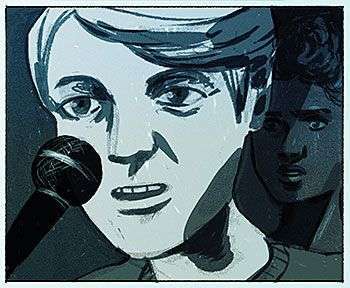
A high school teacher realizes that, despite her school’s diverse student body, the students on the stage at assemblies are virtually all white and male. She sets out to understand why and to change the pattern.
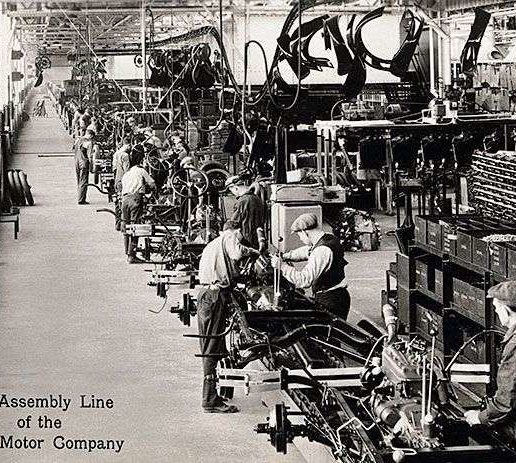
High school students play the Widget Boom Game to understand how overproduction and underconsumption helped cause the Great Depression.
A 9th-grade teacher lays groundwork for sex education that is sex-positive and inclusive.
A history teacher helps his students see the conservatism of the early New Deal and the impact of organizing and mass resistance.
An introduction to persona poems, which ask students “to find that place inside themselves that connects with a moment in history, literature, life.”
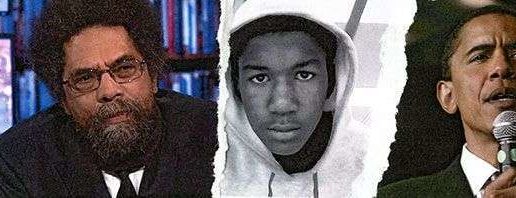
President Obama’s speech about the Zimmerman acquittal in Trayvon Martin’s murder and Cornel West’s response are rich sources for students learning how to analyze, evaluate, and critique.
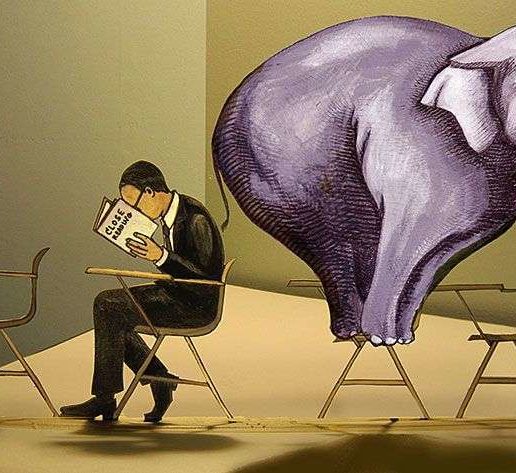
The chief architect of the Common Core created a model lesson of a close reading of King’s “Letter from Birmingham Jail.” A teacher from Birmingham compares that to King’s own critical reading of the “word” and the “world.”
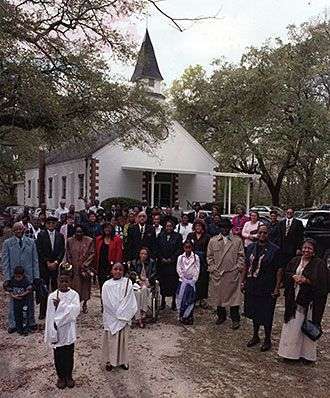
High school students embed themselves in a community’s history and people when they study the impact of “development” on historically African American Turkey Creek in Gulfport, Mississippi.
A high school teacher uses a role-play to explore the economic dimensions of the war in Iraq.
The historic destruction of the Chávez Ravine neighborhood in Los Angeles – to build Dodger Stadium – paves the way for students to understand changes in their own neighborhood. Second in a two-part series.
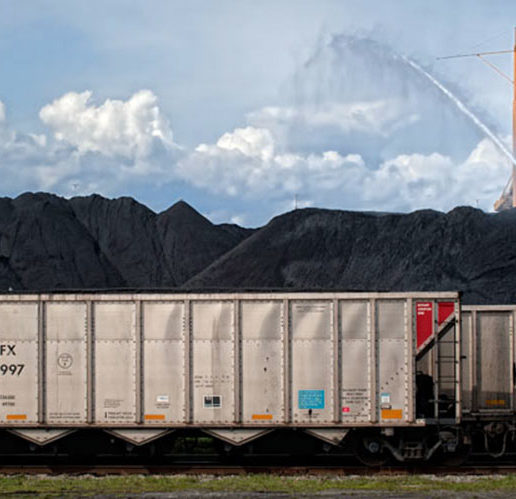
Ninth graders explore a plan to strip-mine coal in Wyoming and Montana, send it by train to the Northwest, then ship it to Asia to be burned.
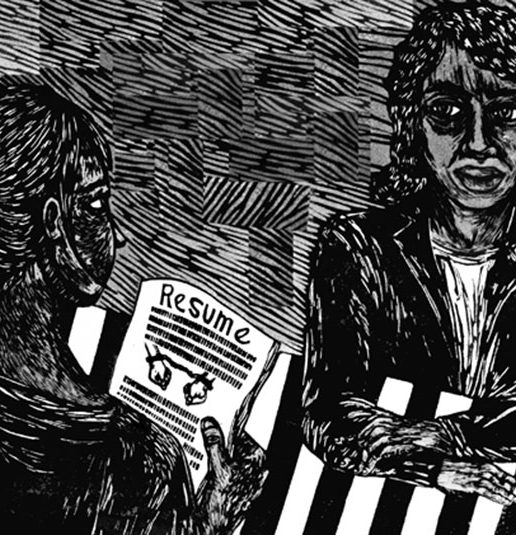
Should the box about criminal history be eliminated from job applications? A role play helps students explore the lifelong impact of a felony conviction.
“
By Soren Wuerth This story is part of Covering Climate Now, a global collaboration of more than 250 news outlets to strengthen coverage of the climate story. The first week of […]