Bargaining for Better Schools
One union works for meaningful small school reform.


One union works for meaningful small school reform.
This content is restricted to subscribers

Helping kids who’ve grown up in the truck culture” examine climate change.
“
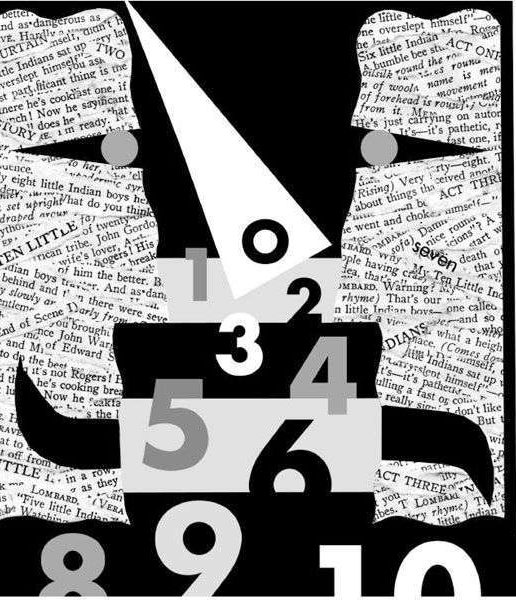
The strange and offensive history of Ten Little Indians” (Hint: They weren’t always called “Indians.”)
“
This content is restricted to subscribers
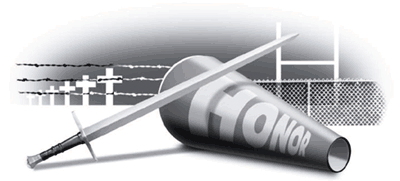
Emiliano Santiago. Not many of our students know his name. But they should. Santiago joined the Oregon Army National Guard on June 28, 1996, shortly after his high school graduation […]
This content is restricted to subscribers
This content is restricted to subscribers

If we ignore race and money inequities, small school reform won’t help anything meaningful take root.
The principal of Brooklyn’s El Puente Academy for Peace and Justice shows how art can connect students with their communities.
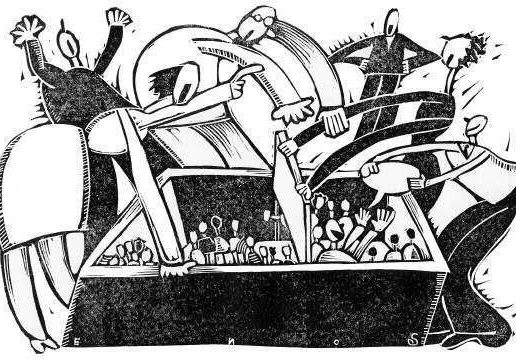
A teacher finds that small school reform presents opportunities to teach about tracking and inequality.
Budget cuts threaten one of the nation’s best multicultural institutions.
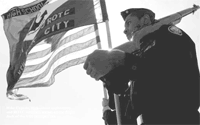
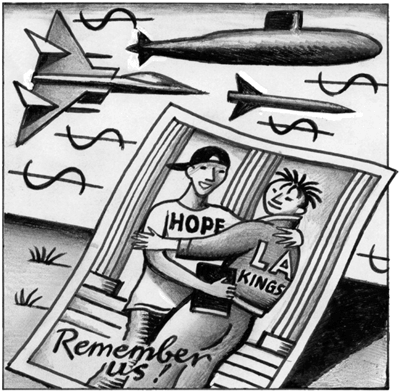
NCLB’s provisions give military recruiters access to student contact information

Profiling an African American teacher on Chicago’s south side.

A principal deals with a student’s unusual request.
Texas schools report dropout rates, Enron style.
Teaching forgiveness through poetry and art.
Labelling schools low-performing” has consequences for all.”
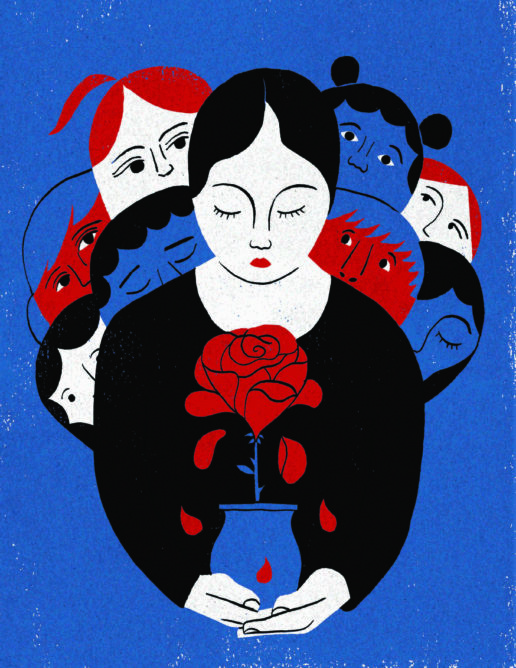
Death happens regularly, but a special education teacher describes her own mother’s death to show how schools leave no space for grief and try to hide death from the school community.
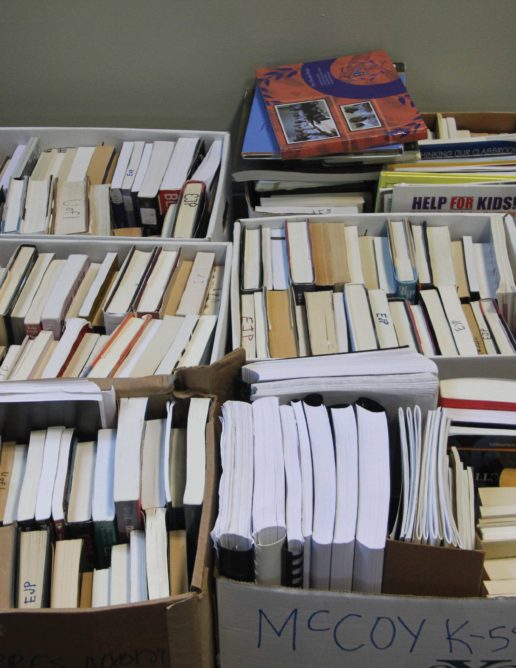
In late January, authorities at the Danville Correctional Center in east-central Illinois removed more than 200 titles from the prison’s library. One of the books that was confiscated was the Rethinking Schools book Rethinking Our Classrooms: Teaching for Equity and Justice, first published in 1994 and edited by Bill Bigelow, Linda Christensen, Stan Karp, Barbara Miner, and Bob Peterson.
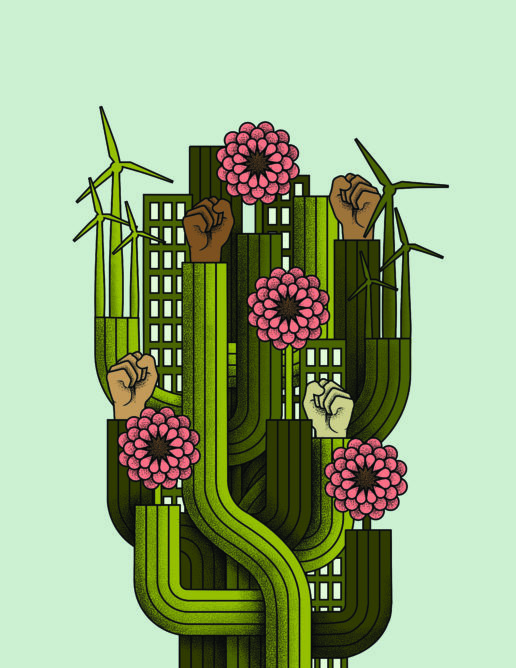
So often, the climate crisis is presented in frightening, threatening terms: rising seas, superstorms, raging wildfires, unlivable temperatures, species extinction, disappearing glaciers, dying coral, climate refugees. These are real. But the paradox is that this dystopian possibility is forcing us to imagine an entirely different kind of society. Schools have a central role to play in devising new alternatives and equipping young people to bring those alternatives to life. This is the work we’ve been assigned.

While high-profile tests like the SAT are problematic, Karp argues that we need to end the routine standardized tests that plague students and teachers.
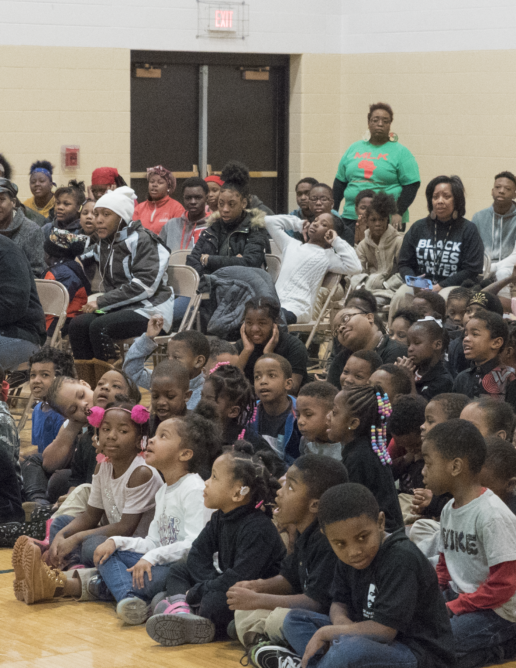
In an era when a U.S. president calls Haiti and African nations shithole countries; a time when hate crimes are on the rise; a time when Black students are suspended at four times the rate of white students; and a time when we have lost 26,000 Black teachers since 2002, building a movement for racial justice in the schools is an urgent task. Black lives will matter at schools only when this movement becomes a mass uprising that unites the power of educator unions and families to transform public education.

The same mid-February weekend that Trump declared his manufactured emergency, I traveled to El Paso on behalf of the Massachusetts Teachers Association to take part in a “Teach-In for Freedom” organized by Teachers Against Child Detention. This event, among other demands, “called on the U.S. government to end the detention and criminalization of immigrant children and their families.”
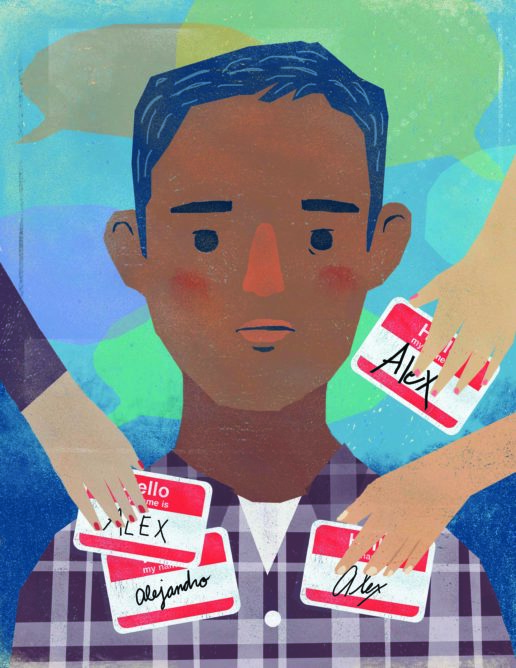
Students’ names are the first thing teachers know about the young people who enter our classrooms; they can signal country of origin, gender, language. Students’ names provide the first moment when a teacher can demonstrate their warmth and humanity, their commitment to seeing and welcoming students’ languages and cultures into the classroom.