Reflecting on 40 Years of Building Social Justice Education
Cierra Kaler-Jones, Executive Director, Editor
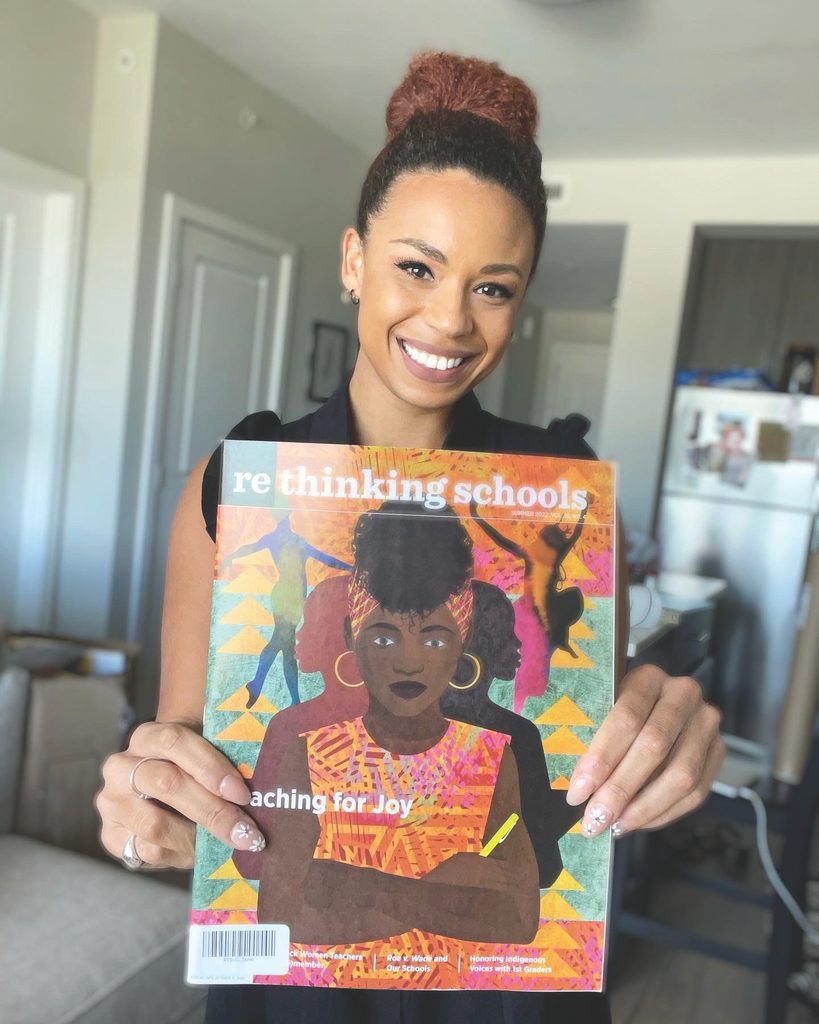
I will never forget the moment I received my first copy of Rethinking Schools. One of my professors in graduate school slid a copy of the magazine on my desk as I vented frustration about the disconnect between theory and practice. The illustrations danced off the page, the writing was rich with personal narrative and tangible teaching ideas, and the content was unapologetically radical. I felt a surge at that moment — it was the warmth of being introduced to an aligned community committed to education justice.
As a community-based educator and dance teacher, I would turn to the pages of Rethinking Schools for pedagogical inspiration, especially when the world felt heavy. I was inspired to incorporate poetry, mixers, children’s books, and social action projects into the dance curriculum as I witnessed my students unearth new insights about themselves and the world around them. My classroom started to shift. With every issue and every book, I find myself uncovering a new insight or something I hadn’t learned in school.
Now, I see firsthand the impact that Rethinking Schools has not only on my life, but on others. Whether it’s the 50+ Teaching Palestine study groups or the 450+ Teaching for Black Lives study groups engaged in deep study, or the local union using Teacher Unions and Social Justice as a handbook for social justice unionism, Rethinking Schools has been a home for social justice educators to build community, learn, and strategize.
Ursula Wolfe-Rocca, Editor
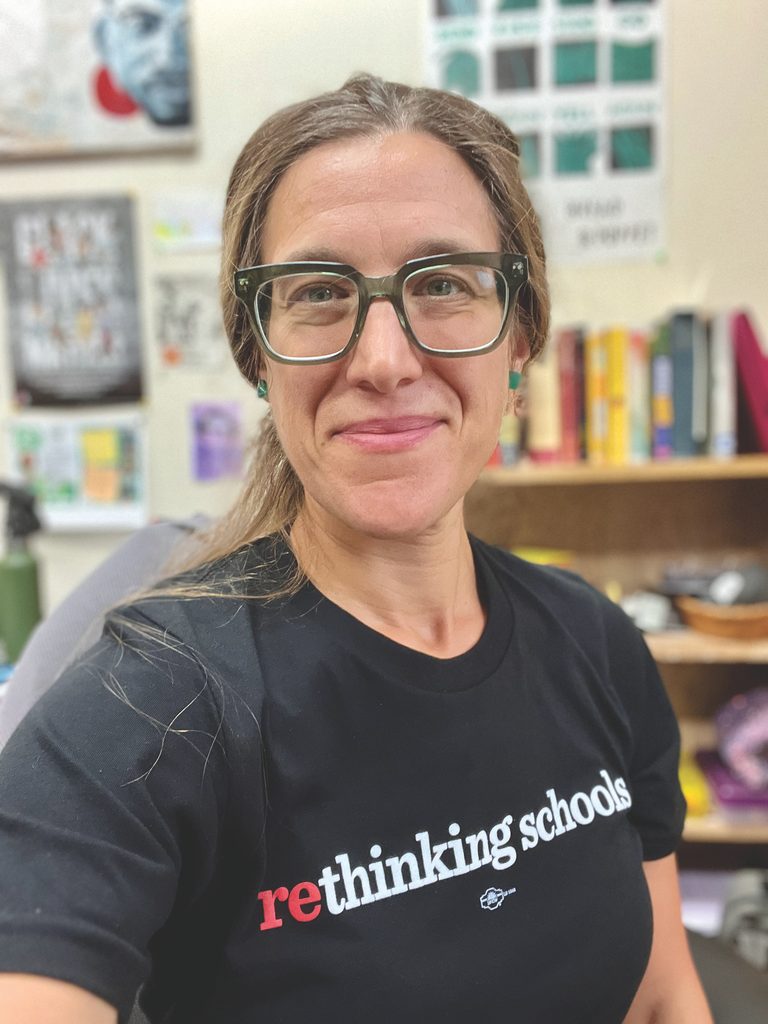
I have been teaching for almost 25 years, and it doesn’t seem to be getting any easier. In fact, the last three years have been among the hardest. And what have I done more times than I can count? I have reached for Rethinking Schools — for inspiration, for guidance, and perhaps most importantly, to affirm that while I may be sitting alone in my classroom at the end of a long, hard day, I am not in fact alone in this project of trying to teach for justice and with care at the center.
The job of being a social justice educator is structurally impossible; but it is also true that our best hope for meaningful action, for making the impossible possible, comes when we recognize that we cannot do this work alone. Through the pages of Rethinking Schools, I feel like I am holding hands with other educators; in those desperate moments of “Holy moly, what am I going to teach tomorrow?” I can dig through not just my own folders of curriculum and teaching ideas but also through Bill Bigelow’s and Jesse Hagopian’s and Linda Christensen’s and Moé Yonamine’s and hundreds of other educators I have never met.
The essays, articles, and lessons in Rethinking Schools are not scripts to be followed but an invitation to collaborate in the struggle to build curriculum and classrooms against genocide, militarism and war, and for joy, justice, and lasting peace.
Adam Sanchez, Managing Editor
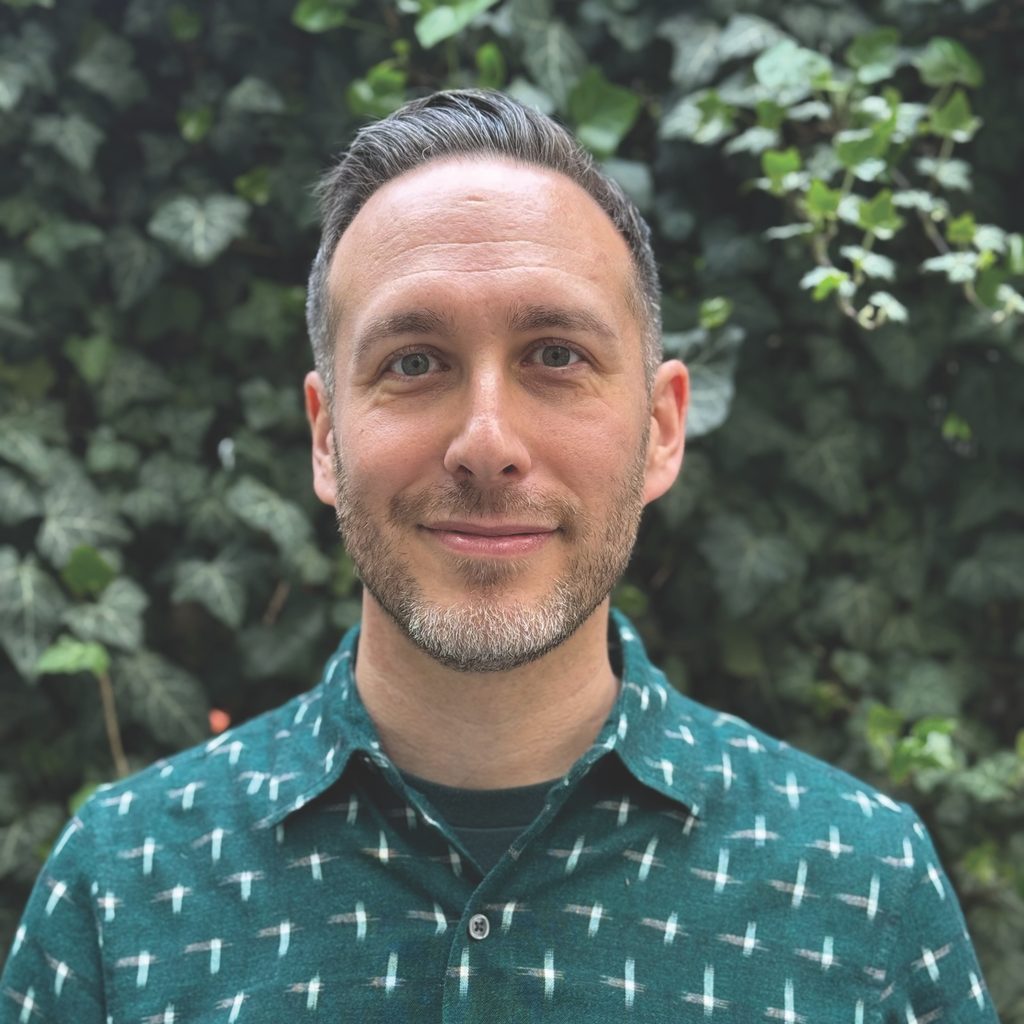
In 2009 when I decided to go back to school to become a teacher, I wasn’t sure whether I would enjoy teaching. Because learning a people’s history in college sparked my passion for social justice, I thought it might feel meaningful to do the same for young people.
Then I met Bill Bigelow. He was my social studies methods teacher. When Bill heard I had not yet been placed with a mentor teacher he put me in touch with Julie O’Neill, a longtime RS contributor. Bill and Julie welcomed me into a community of social justice educators in Portland, Oregon, that spanned schools across the city. They also welcomed me into the world of radical pedagogy, asserting that sparking passion for remedying injustice was not simply about what was taught, but how. Participatory, problem-posing, experiential curriculum that was grounded in students’ lives is what was needed.
Teachers who poured creative energy into radical curriculum could share lessons with teachers around the world — changing not just their classroom but classrooms all over — and even encourage activist organizations and teacher unions to break free from stultifying banking pedagogical methods. It’s this inclusive and expansive vision of the role of social justice education that drew me to and kept me involved in RS for the rest of my career.
Kara Hinderlie Stroman, Editor
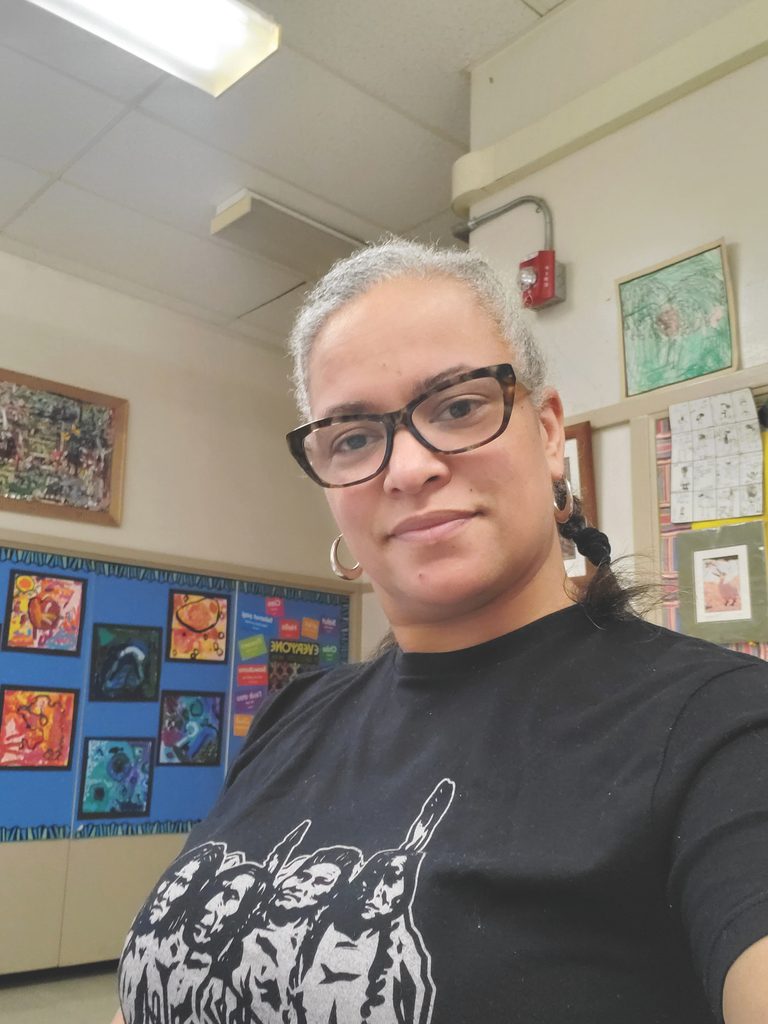
I met Linda Christensen and Bill Bigelow when I became a member of the Oregon Writing Project (OWP). Linda was director of OWP and together they held regular teacher writing retreats. At one I participated in they gave a general outline of what Rethinking Schools was and what editors looked for. That weekend I wrote “Black Is Beautiful.” I remember sitting against a wall on the floor near some couches when I read aloud that first draft. Folks sat all around the tiny living room area peering at me, leaning in to hear my story, and when it was done Linda said, “You gotta go read that to Bill.” Bill was in the kitchen with a different group of writers and somehow we all ended up migrating there. When I read, everyone who had heard it stayed in the kitchen to listen again.
I had been a teacher for many years, but writing for RS opened up new possibilities. I came to realize it doesn’t matter when you arrive. Engaging students with social justice can never be too soon or too late. Even kindergarteners can access truth and authentic ways of showing up. RS is driven by passion and conviction that public education should be a tool for empowerment of the marginalized and disenfranchised. It is a community where believing is doing and I am honored to be a part of it.
Grace Cornell Gonzales, Editor
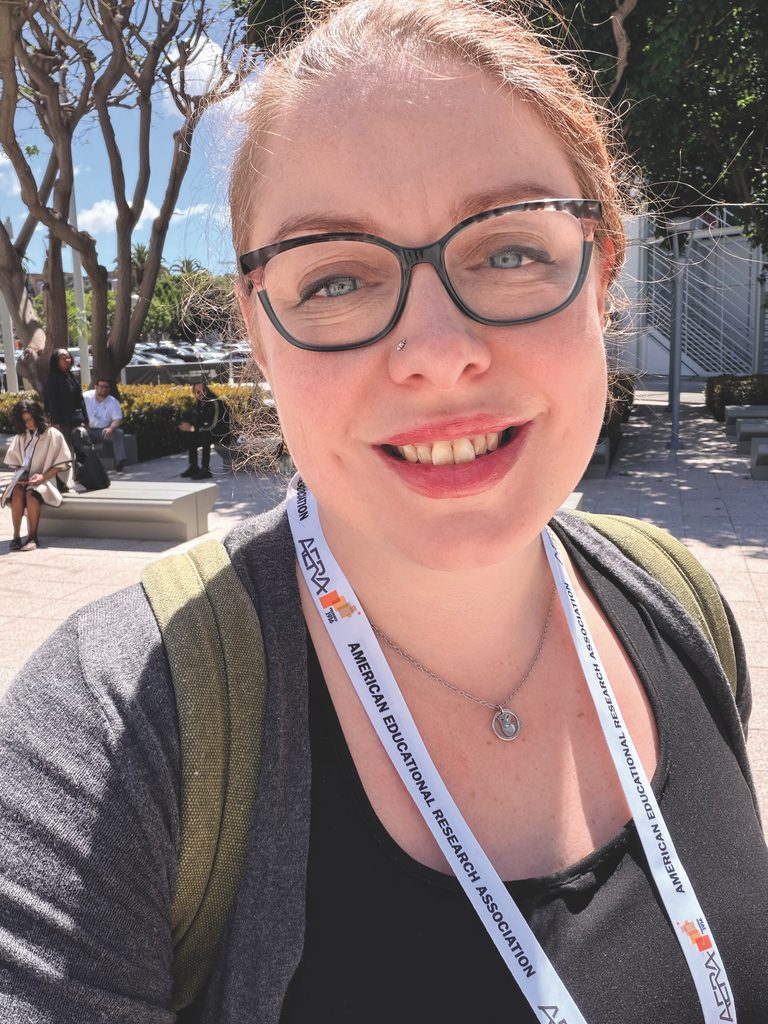
My first years of teaching were hard. When I stepped into my 1st-grade classroom, I had no more preparation than a few weeks of summer “student teaching.” Staying afloat felt nearly impossible.
I knew the way I was being taught to teach was wrong. My students deserved more than an untrained teacher reading from a scripted commercial curriculum that ignored who they were, where they came from, and all they knew and could do.
When I discovered Rethinking Schools, it was a lifeline. For the first time, I saw examples of teachers creating vibrant, justice-centered curriculum. The magazine’s editorials and policy pieces helped me connect the dots between what was happening in my classroom and the broader political forces shaping public education.
Almost by accident, I connected with Bill Bigelow and then-managing editor Jody Sokolower through a Teachers 4 Social Justice conference in San Francisco in 2009. I received so much encouragement around submitting and publishing my first article. From that point on, writing for Rethinking Schools gave me a way to sense-make around my experiences and stay rooted in my values during those difficult early years. It also connected me to a community of educators who dreamt other possibilities for what public schools could be. Without that lifeline, I doubt I would have lasted through my first years in the classroom.
Jesse Hagopian, Editor
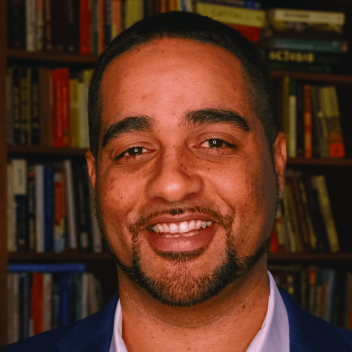
When I first encountered Rethinking Schools, I was a classroom teacher searching for ways to make my lessons matter. I remember bringing those lessons into my classroom and watching something shift. Students leaned in. They asked deeper questions. They began connecting history to their own lives — and to the struggles unfolding around them. Rethinking Schools helped me see that education could be an act of liberation, not just information.
Over the years, it’s been one of the great honors of my life to co-edit several Rethinking Schools books. But what has meant the most to me is what happened after those books were published. Across the country, educators came together in study groups — often after long school days, often in states passing laws designed to silence them — to read, reflect, and organize. Those study groups have supported thousands of educators in reaching more than a million students with lessons grounded in justice, history, and humanity.
I’ve heard from teachers who said these spaces gave them the courage to keep teaching honestly, even when it felt risky. In this moment — when truth is under attack, when entire histories are being erased, and when the ongoing genocide in Gaza demands that we not look away — Rethinking Schools is not just producing resources but building relationships and collective courage.
Wayne Au, Board of Directors President, Editor

I first learned about Rethinking Schools when I was an undergraduate student at Evergreen State College. Bill Bigelow came to campus to do a slideshow about Rethinking Columbus. I remember sitting there seeing the images and learning a more radical perspective on Columbus and Indigenous resistance, and it just fed the radical history educator that I was on a path to becoming.
Later, I was able to student teach with Linda Christensen at Jefferson High School in Portland. Then I started writing for Rethinking Schools and started to connect with education activists regionally and nationally. In some important ways, Rethinking Schools parented me into the educator, writer, and activist that I am today.
Pretty much every year for the last several years, I’ve gotten a note from Bill where he lets me know that a lesson plan I wrote and taught back in 1999 was one of the most downloaded lesson plans. The lesson, titled “What We Want, What We Believe,” was about the Black Panther Party’s 10-Point Program, and it was built on the simplest of premises: That students have the right to reflect on their experiences and create their own 10-point program that addresses the issues in their communities. That an article about a seemingly small and simple piece of curriculum can live a life of its own and continue to influence educators across nearly three decades is a testament to the power of Rethinking Schools.
Bill Bigelow, Curriculum Editor
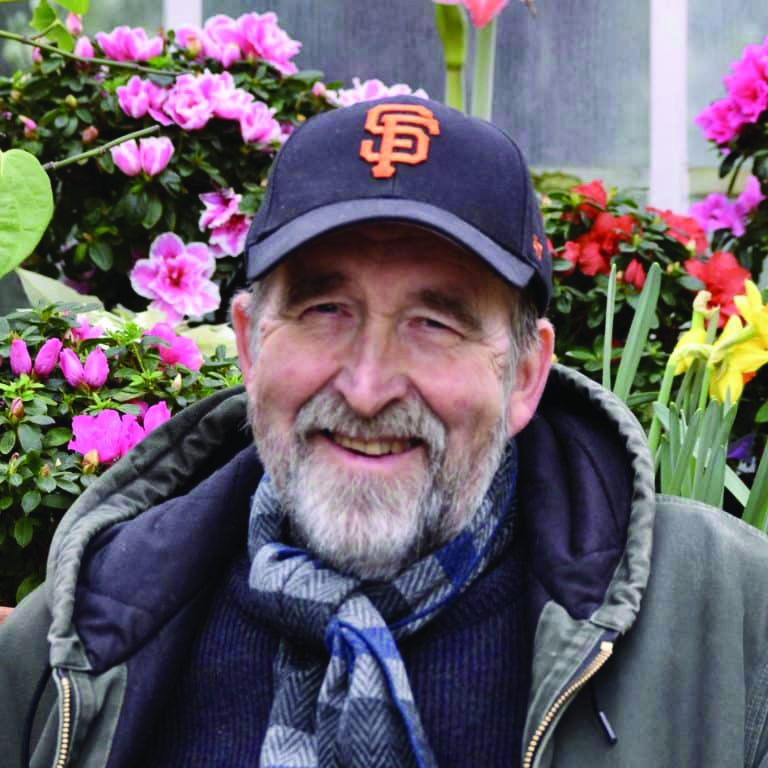
When I began teaching at Grant High School in Portland, Oregon, in the fall of 1978, there was no Rethinking Schools. Teachers like me, who went into education to try to equip students to think deeply and critically about the world, were mostly on our own.
And then in 1986, my friend Tom Mooney, then president of the Cincinnati Federation of Teachers, was staying with me in Portland. He had the first two copies of Rethinking Schools — then a tabloid. It was a revelation. Here was a community of educators trying to figure out what it means to be a “social justice teacher” — and write about what that looked like. The next year at a gathering in Dayton, Ohio, I met Rethinking Schools founding editor Bob Peterson.
Bob invited me to write for Rethinking Schools about the anti-apartheid teachers I had met while in South Africa. I eagerly accepted. But really, Bob was inviting me into a national conversation of educators struggling to find ways to build a social justice education movement. Through the journal, we could talk to, and talk with, other educators of conscience throughout the country. Together, we could rethink our classrooms.
For almost 40 years, Rethinking Schools has been my political and pedagogical home. In “rethinking schools” we have sought to rethink the world — and to play our small part in remaking it.
Linda Christensen, Editor
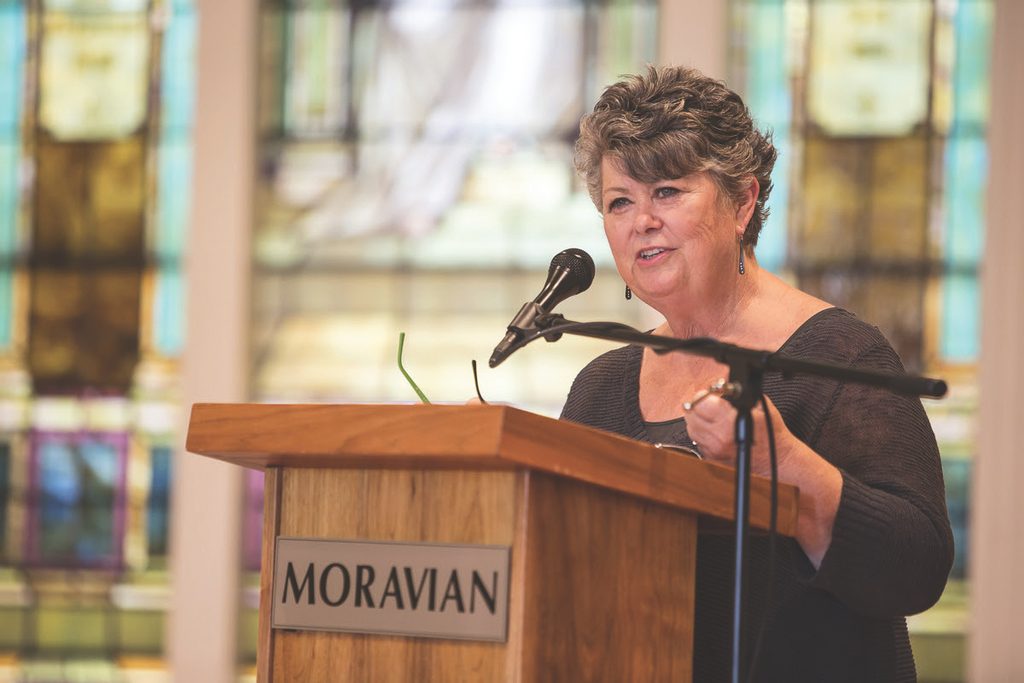
When I was in 7th grade, my friends Janet and Janice and I seized an afternoon off from school for an adventure without letting my mother know my whereabouts. She pulled up next to us in Henderson Center, rolled down her window, and yelled “Who gave you the authority to take off on your own?” Mom’s words became a joke between the three of us but also became a cumbersome stricture I wore for too many years. “Who gave you the authority?”
When I first read articles in Rethinking Schools by Rita Tenorio, a kindergarten teacher, Bob Peterson, a 5th-grade teacher, Cynthia Ellwood and David Levine, high school teachers, and Bob Lowe, a college professor, I was smitten. They didn’t ask for anyone’s permission. No one gave them the authority to talk back to district mandates and publishers. No one gave them the platform to tell stories about their teaching. As classroom teachers, they knew they were the authority. Their audacity and truth telling gave me courage and a platform to share the stories from my classroom.
Stan Karp, Board of Directors Member, Editor
For nearly 40 years, Rethinking Schools has helped me make sense of the history and politics shaping public education. Through 30 years as a high school teacher and 15 as a policy advocate for a progressive nonprofit, RS is where I found the support, experience, and community to survive in schools struggling with mostly awful education policy and to dream about what better alternatives could look like. RS helped me build campaigns against standardized testing, talk back to the Common Core, and fight for a world where schools get the resources they need to serve all students.
RS has also been a way to “pay it forward.” It gave me the chance to host a writing group of young teachers as they drafted pieces for a new edition of The New Teacher Book. Just last month, I attended an online end-of-year celebration of the Teaching for Black Lives study groups and unexpectedly reconnected with a former student I hadn’t seen in 30 years who was teaching in Newark. Building community and sharing hope is what RS is all about.
Bob Peterson, Founding Editor
The idea for Rethinking Schools started with a study group of teachers and community activists who read Theory and Resistance in Education. We decided to challenge the backward and boring approaches to teaching that dominated public schools.
In the fall of 1986, we transformed my kitchen table into a “newspaper production office” and used now-primitive tools such as a can of rubber cement and an Apple IIe computer to lay out our first issue.
We printed 6,000 copies, a newsprint tabloid, and distributed it free in 160 schools in Milwaukee and to local libraries and community groups. (It wasn’t until 2003 that Rethinking Schools switched to a magazine format.) The printer would deliver the tabloid in bundles of 100; our core of early volunteers would rebundle the papers according to the number of teachers in each school and, using various means, distribute those copies. Before long, Rethinking Schools became a base of support for influencing the Milwaukee school board, the administration, and the teacher union.
I taught 5th grade for 25 years, wrote many articles for a range of publications, helped found Wisconsin’s first two-way bilingual school, was president of the Milwaukee teacher union, and was president of the Milwaukee School Board. Of all that I have done, I am most proud of the work I have done with Rethinking Schools, and grateful to have been surrounded by such a vibrant network of educators.