Our picks for books, videos, websites, and other social justice resources 41.1

Picture Books
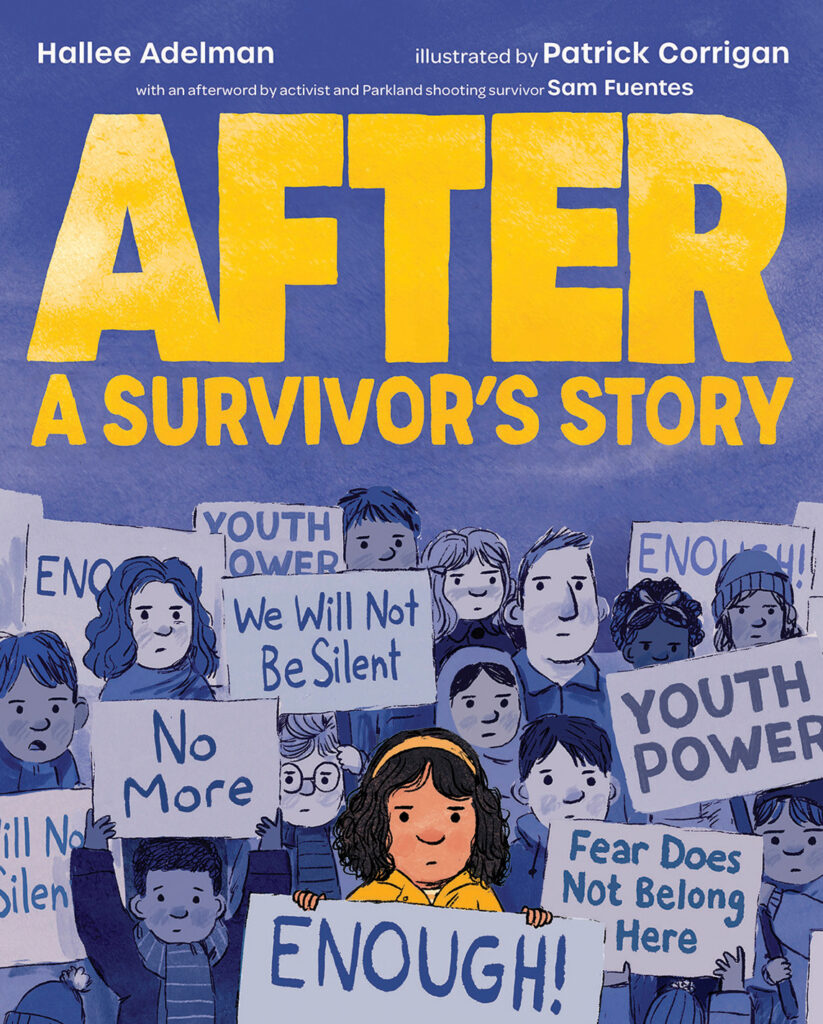
After: A Survivor’s Story
By Hallee Adelman
Illustrated by Patrick Corrigan
(Albert Whitman & Co., 2025)
32 pp.
With active shooter drills almost as common as recess for schoolchildren, there are a growing number of books about the horror of school shootings, including After by Hallee Adelman. After features a young girl who mourns the death of her friend on “the horrible day” and wonders why she survived. Well-meaning efforts to comfort her fall short in the face of her guilt and grief. Then she joins in a protest with others who have survived shootings. In that community, she finds people who understand and is reminded that “no one can steal our strength.” Parkland shooting survivor Sam Fuentes writes in the Afterword, “I needed someone to meet me where I was rather than encourage me to move on or pity me. This book offers a starting point for children to initiate healthy dialogue about gun violence.”
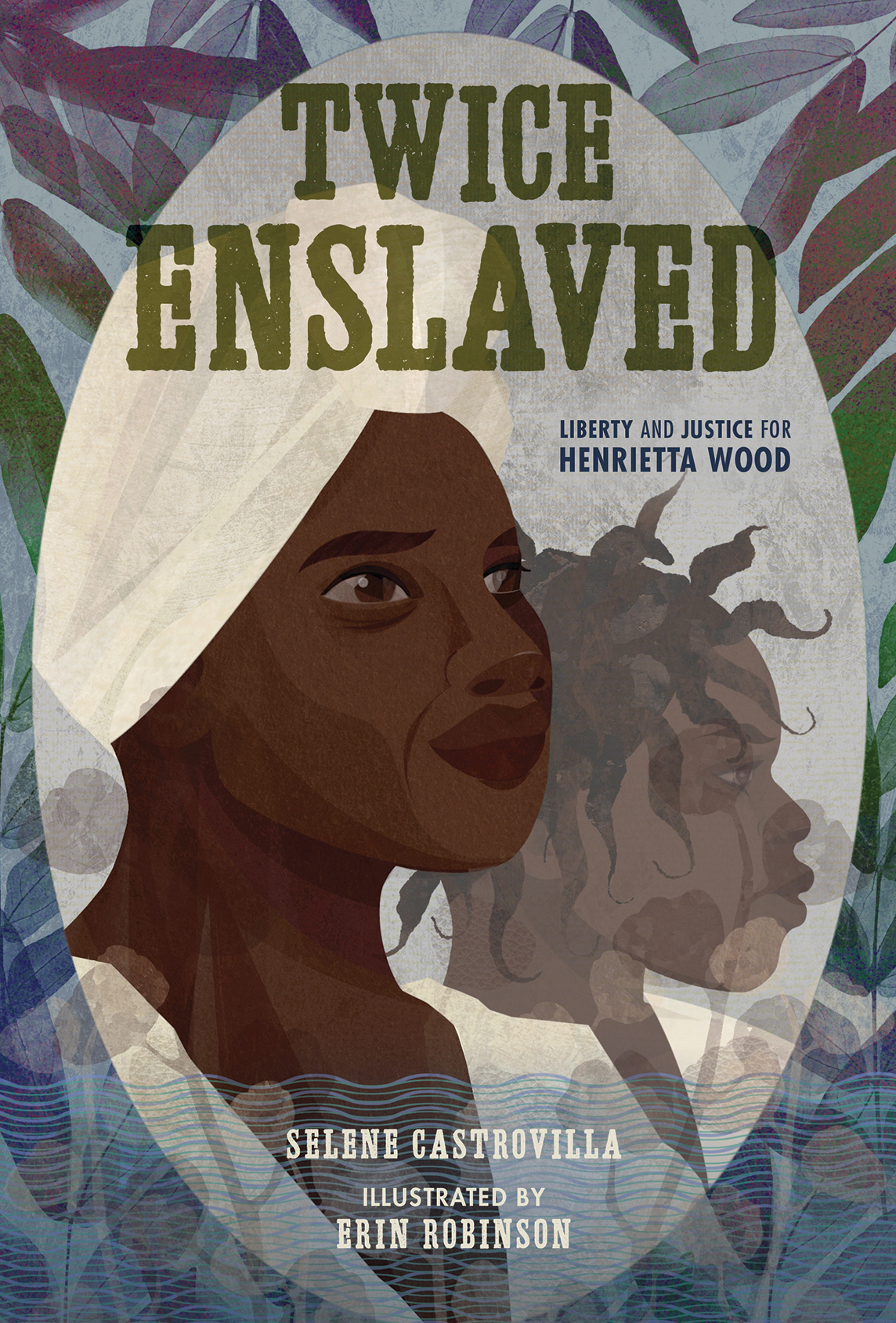
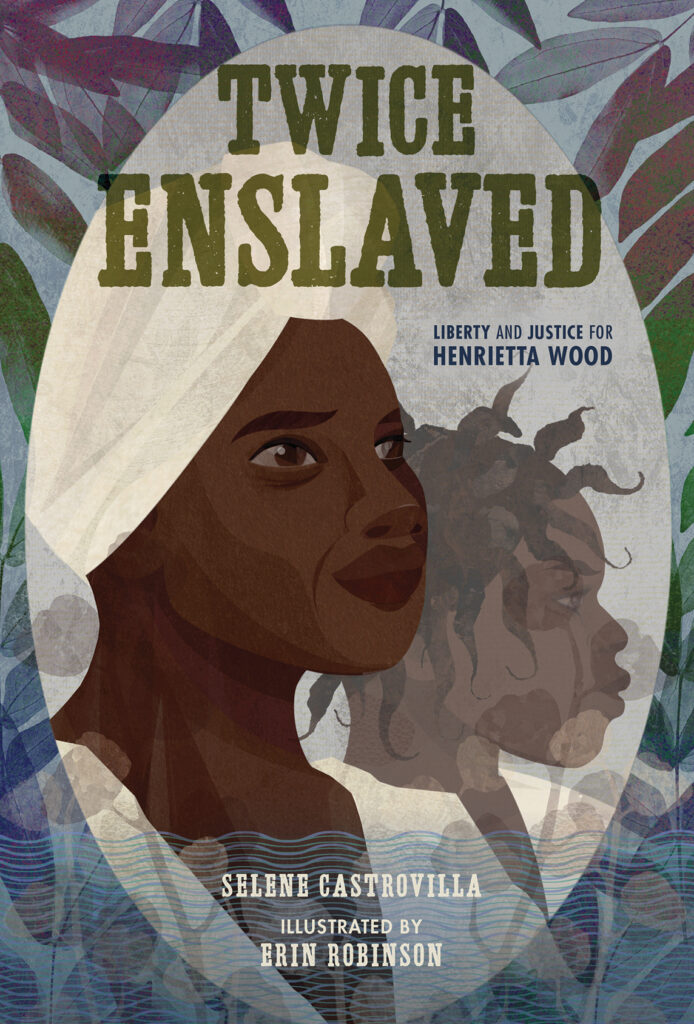
Twice Enslaved: Liberty and Justice for Henrietta Wood
By Selene Castrovilla
Illustrated by Erin Robinson
(Calkins Creek, 2026)
80 pp.
Opening with Henrietta Wood’s dreams as she looks across the river to a free state, this true story in free verse seeks to help the reader feel the horrors of enslavement. Wood is sold away from her family at the age of 14 and endures years of hard labor and beatings. Through a stroke of luck, she gets her freedom papers in Louisville, only to be captured again. Thanks to support, her kidnapping went to court in Wood v. Ward in 1854, but she lost. After Emancipation, Wood was determined that her enslaver would pay for the more than a decade of torture and stolen labor she endured. She went to court and this time she won a reparations settlement of $2,500. Although less than she asked for, it is still the largest reparations settlement for enslavement in U.S. history. Written for middle school, this is an eye-opening story for all ages and should be a core text in U.S. history classes.
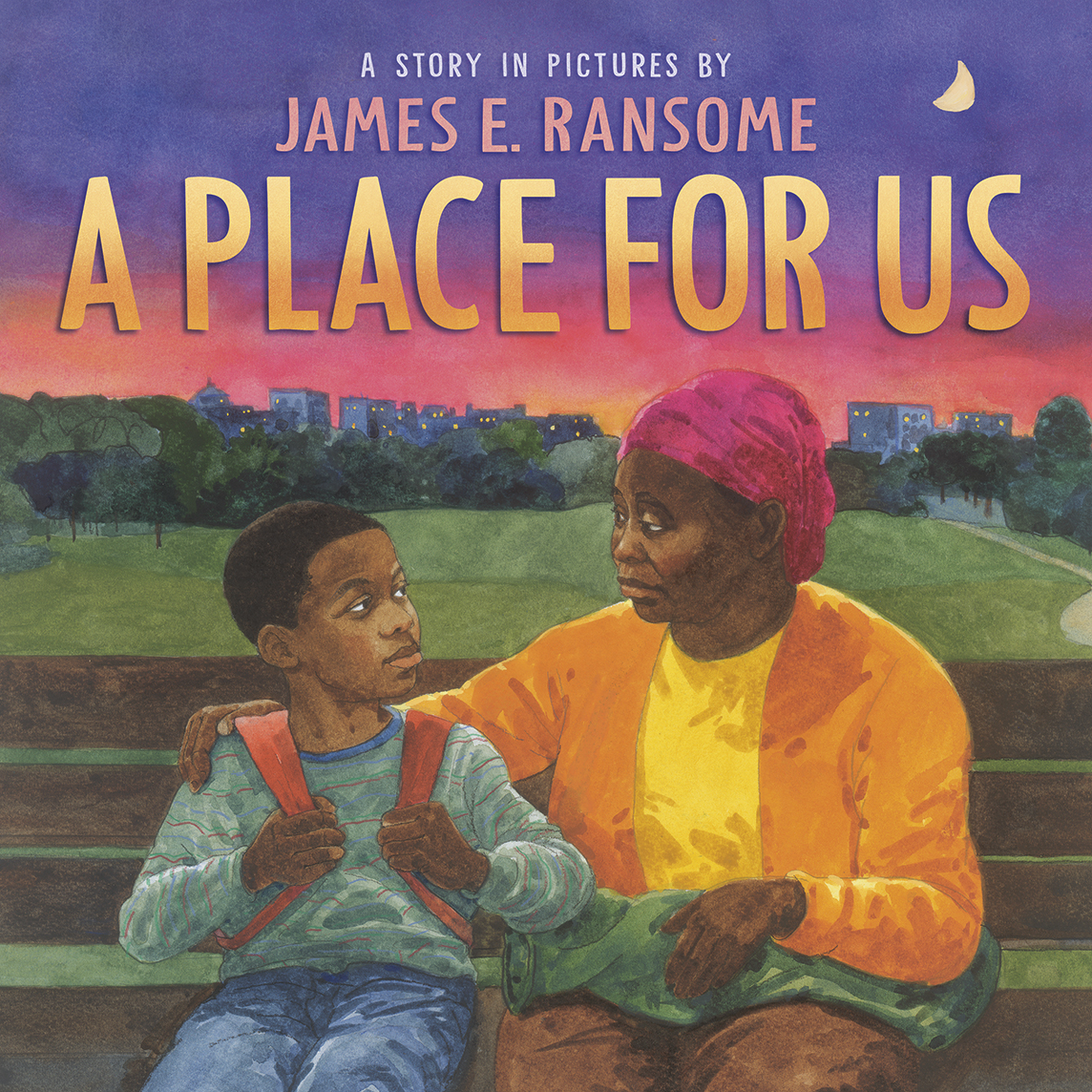
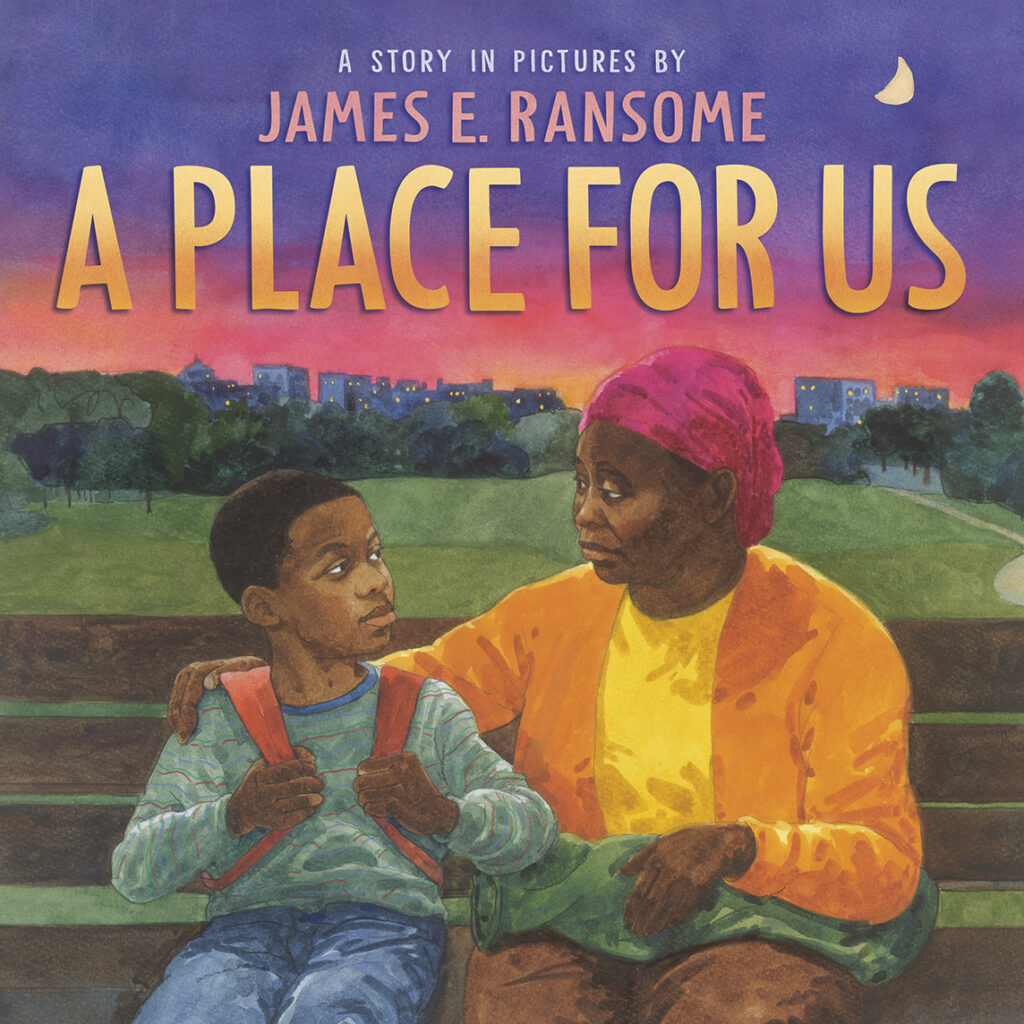
A Place for Us
By James E. Ransome
(Nancy Paulsen Books, 2025)
32 pp.
With Brian Goldstone’s There Is No Place for Us shining a light on houselessness in the United States, A Place for Us can do the same in early childhood classrooms. There are no words, forcing the reader to look carefully at the beautiful illustrations of the young boy and his mother to figure out what is happening. We see the mother meet the young boy after school. They go somewhere for a meal and they do homework at the library until it closes. Then they head to a park bench and we realize that is where they will spend the night. In the morning the child brushes his teeth in the water fountain and goes to school. We know where he has spent the night, but very likely his classmates do not. Ransome raises awareness and generates endless conversations — more so than if he had provided the words himself.
Curriculum
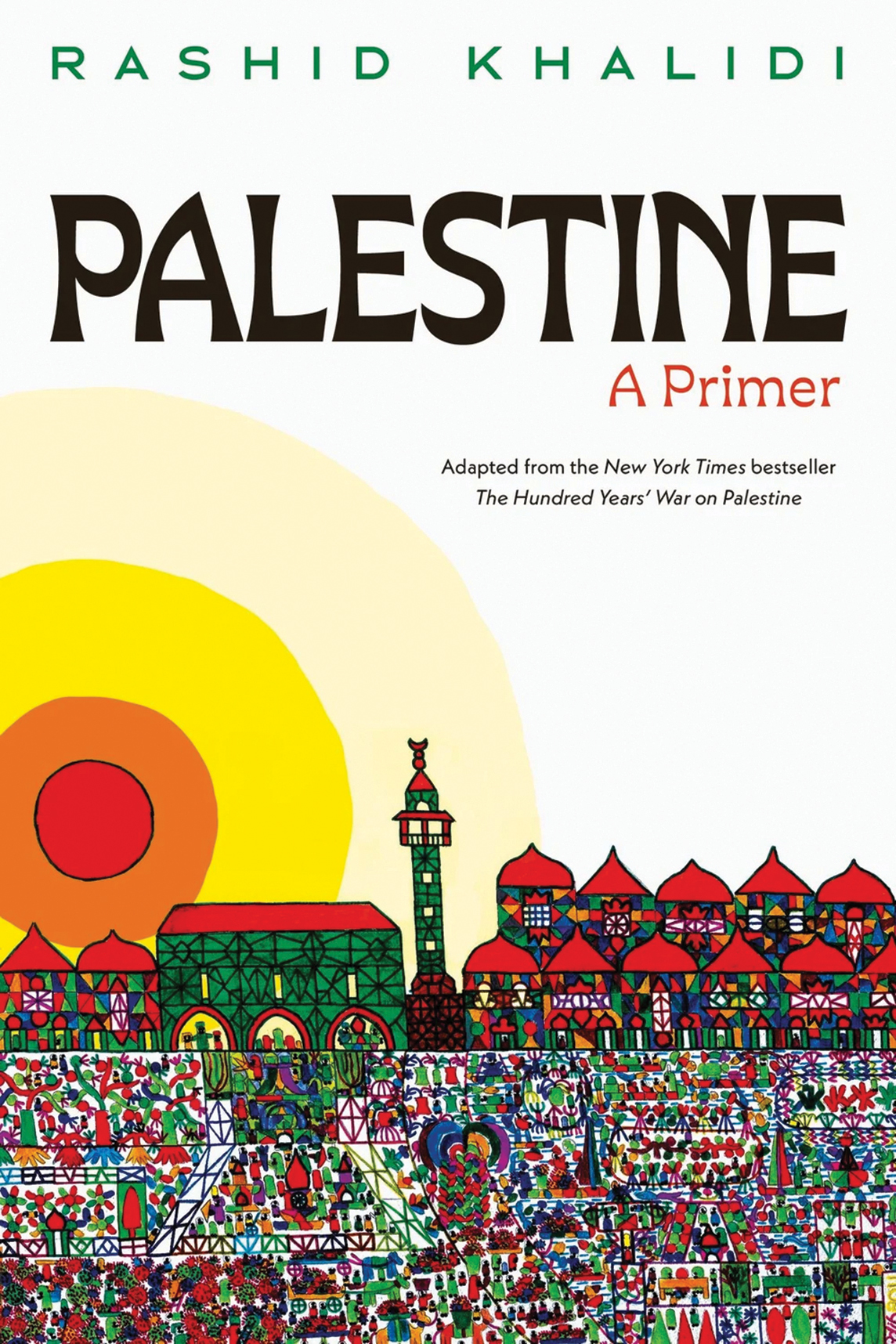
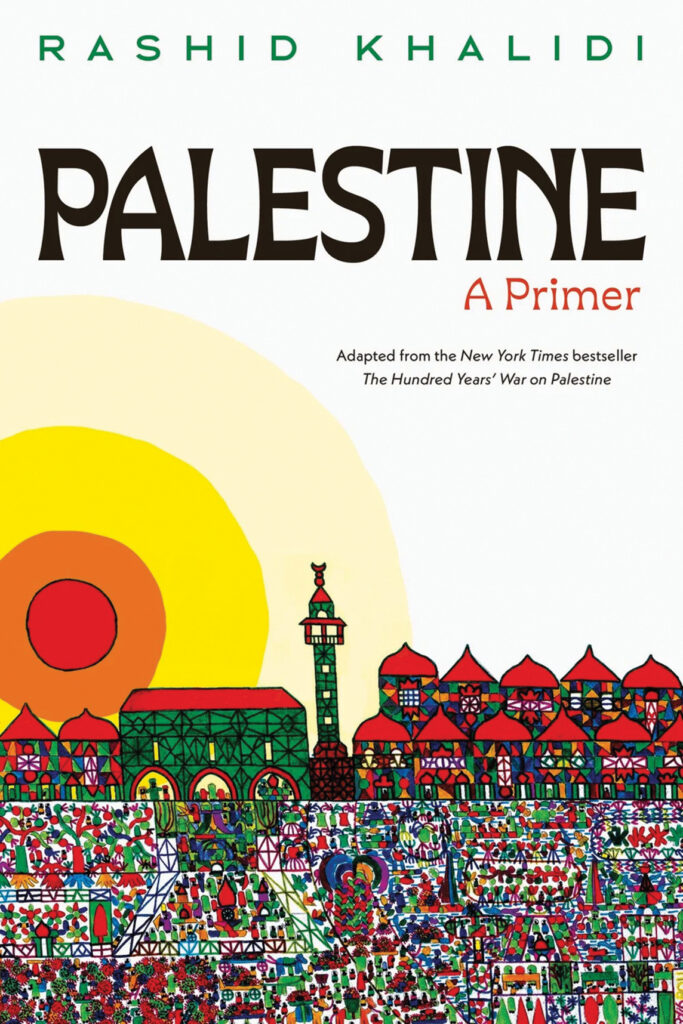
Palestine: A Primer
By Rashid Khalidi
(Godwin Books, 2026)
197 pp.
In 2020, Rashid Khalidi, former Edward Said Professor of Modern Arab Studies at Columbia University, published his magnificent The Hundred Years’ War on Palestine. As we wrote at the time, “Every teacher hoping to teach about the Israeli-Palestinian conflict should first read Rashid Khalidi’s essential The Hundred Years’ War on Palestine. . . . As Khalidi demonstrates, the heart of today’s conflicts can be traced back to the original Zionist aspiration of ‘transforming most of an overwhelmingly Arab country into a predominantly Jewish state.’ The book’s thesis is that ‘the modern history of Palestine can best be understood in these terms: as a colonial war waged against the indigenous population, by a variety of parties, to force them to relinquish their homeland to another people against their will.’ Khalidi clearly and compellingly brings this story to life.” Now Khalidi is back with a condensed version of The Hundred Years’ Wa, illustrated with photos and maps. Palestine: A Primer blends the story of Khalidi’s family with a concise, simplified narrative of Palestinian history, from the late 19th century through today. A free teacher’s guide by Abeer Ramadan-Shinnawi includes helpful discussion and writing questions.
History / Politics

American Peril: The Violent History of Anti-Asian Racism
By Scott Kurashige
(University of California Press, 2026)
341 pp.
In his latest book, Scott Kurashige tells the story of anti-Asian violence in the United States, highlighting how this violence has come to shape Asian America. Part one highlights the history of anti-Asian violence from the 1850s through the U.S. spillover from the war in Vietnam. Part two examines the murder of Vincent Chin in Detroit in the early 1980s and makes connections to the more recent rounds of anti-Asian violence and modern formations of Asian American politics. Kurashige has always been committed to inter- and cross-racial analyses, and American Peril is no different as he consistently places anti-Asian violence in the broader context of white supremacy in the United States. All educators interested in deepening their racial justice knowledge, as well as anyone who works with Asian American students and communities, would benefit from reading this book
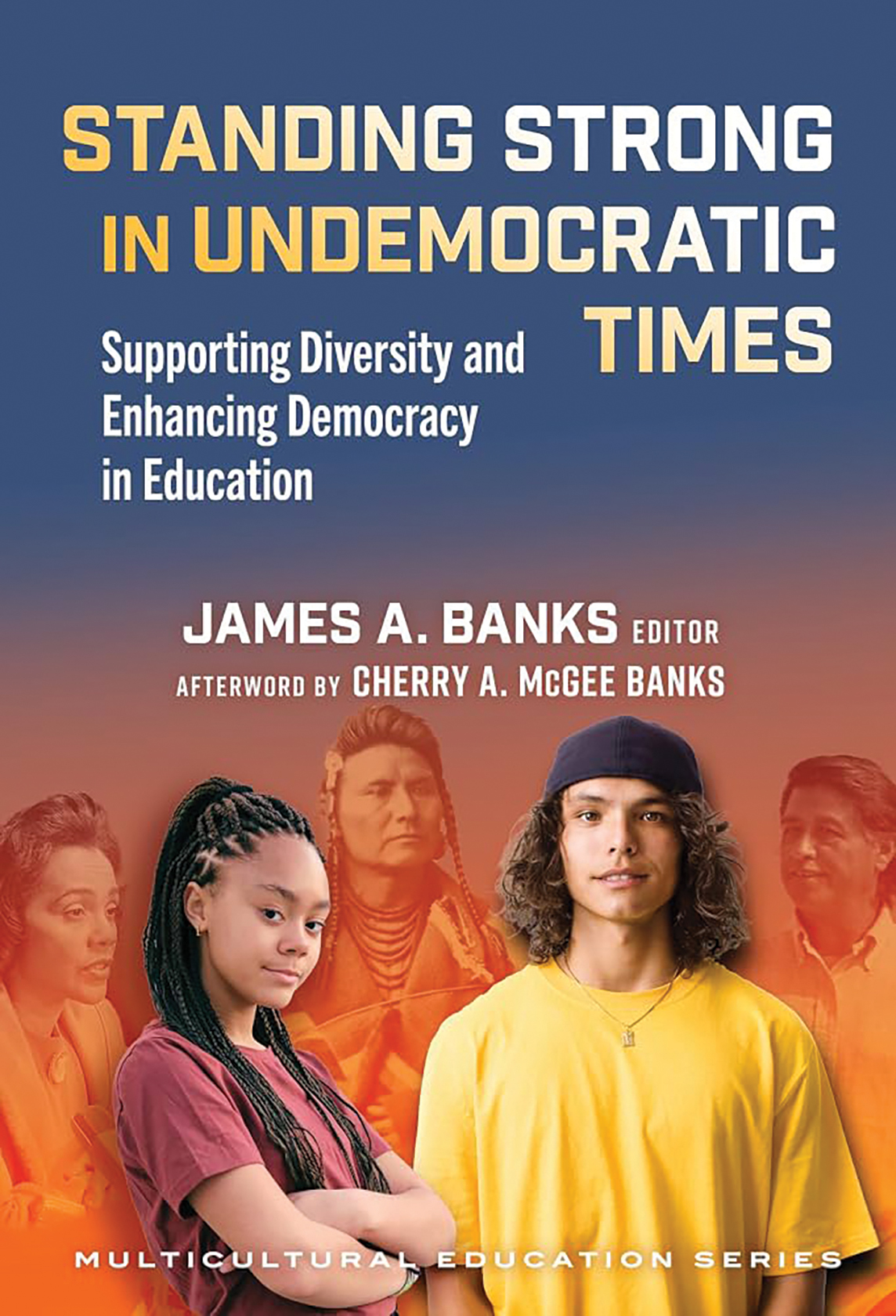
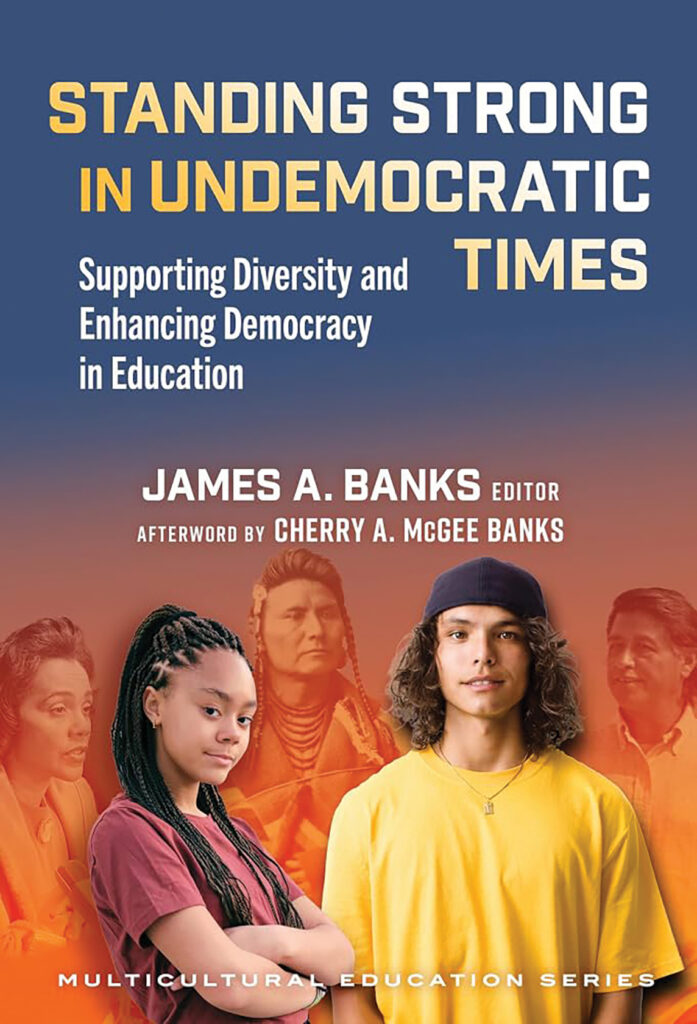
Standing Strong in Undemocratic Times: Supporting Diversity and Enhancing Democracy in Education
Edited by James A. Banks
(Teachers College Press, 2026)
218 pp.
In response to the attacks on critical race theory, diversity initiatives, and multicultural education happening across the country, Professor James Banks put this book together to act as a timely political intervention. Each of the 15 chapters is purposefully short, and all are meant to be read by a large public, not just academics. This collection is populated by established scholars and authors of work on anti-racist and critical education that many readers of Rethinking Schools will find familiar: Gloria Ladson-Billings, Christine Sleeter, Michelle Fine, Lois Weis, and Wayne Au. Part I offers a big picture look at racism, fascism, and democracy in education, while Part II focuses on how multicultural education can mount a response in the current moment. Part III looks at the importance of equity and diversity in curriculum, and Part IV is squarely aimed at envisioning possible educational futures. Given the struggles of the moment, Standing Strong in Undemocratic Times is a welcome addition as we work to build solidarity and broaden resistance.