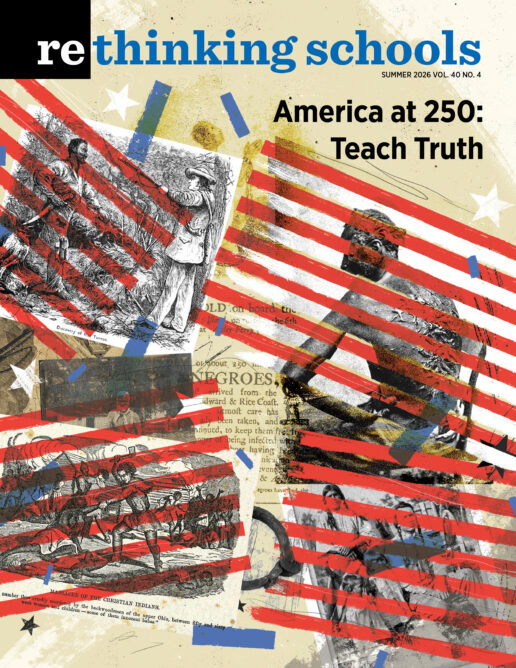
Our picks for books, videos, websites, and other social justice resources 40.4
Picture Books
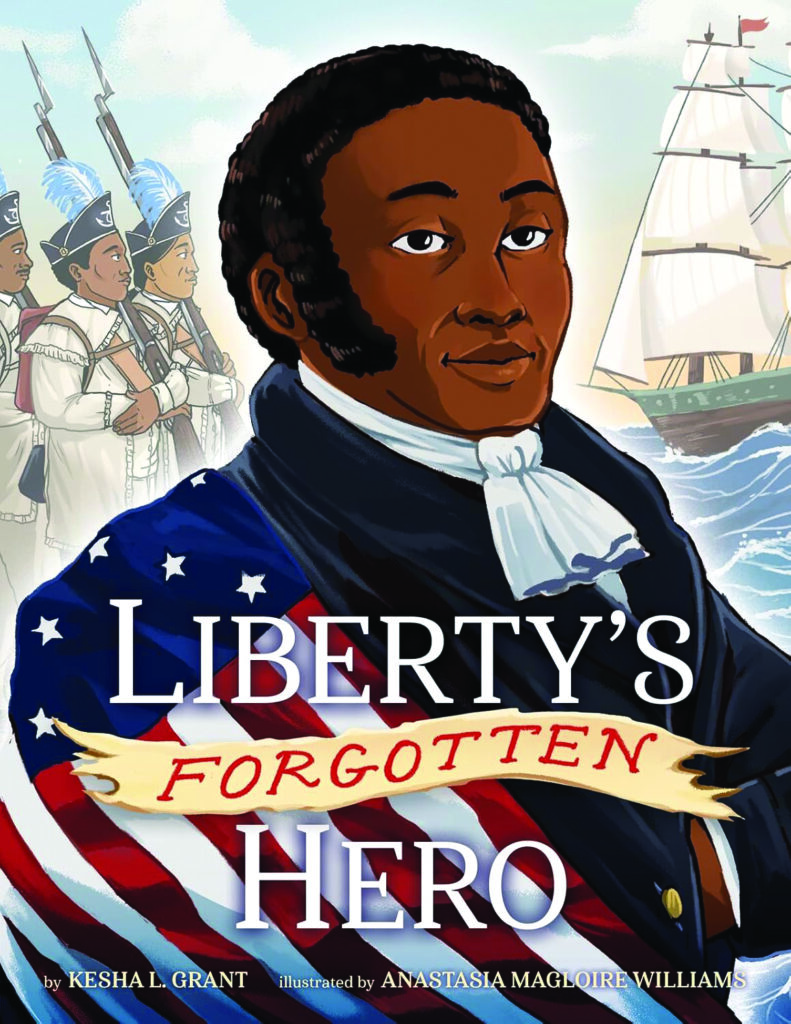
Liberty’s Forgotten Hero: The Revolutionary Life of James Forten
By Kesha L. Grant
Illustrated by Anastasia Magloire William
(Lee & Low Books, 2026)
48 pp.
Countless picture books are steeped in pernicious myths about the American Revolution. These founding fairy tales tell kids that the “Founding Fathers” — even those who enslaved people — were virtuous men who set the United States on an ever-widening path toward equal rights for everyone. Liberty’s Forgotten Hero tells a different story. The book follows James Forten, a Black American born free in Philadelphia in 1766. As a child, Forten heard the Declaration of Independence read publicly for the first time. He took to heart its claims that “all men are created equal” and entitled to “life, liberty, and the pursuit of happiness.” Kesha L. Grant describes how Forten fought for the United States in its war of independence — only to find, after victory, that Black Americans were “shut out of the promises of the new nation . . . because of racist ideologies and many white Americans’ desires to keep economic and political power to themselves.” Dejected but not defeated, Forten devoted himself to becoming a master sailmaker and a leading abolitionist. But Liberty’s Forgotten Hero makes clear that “heroes” don’t work alone. Grant situates Forten in a multiracial network of anti-slavery activists, among waves of Black freedom seekers. She shows young people that rights and freedoms are hard-fought and won through social movements, not benevolently granted by political elites. The book brims with lovely illustrations by Anastasia Magloire Williams to bring to life — centuries later — the country’s first generation of civil rights activists.
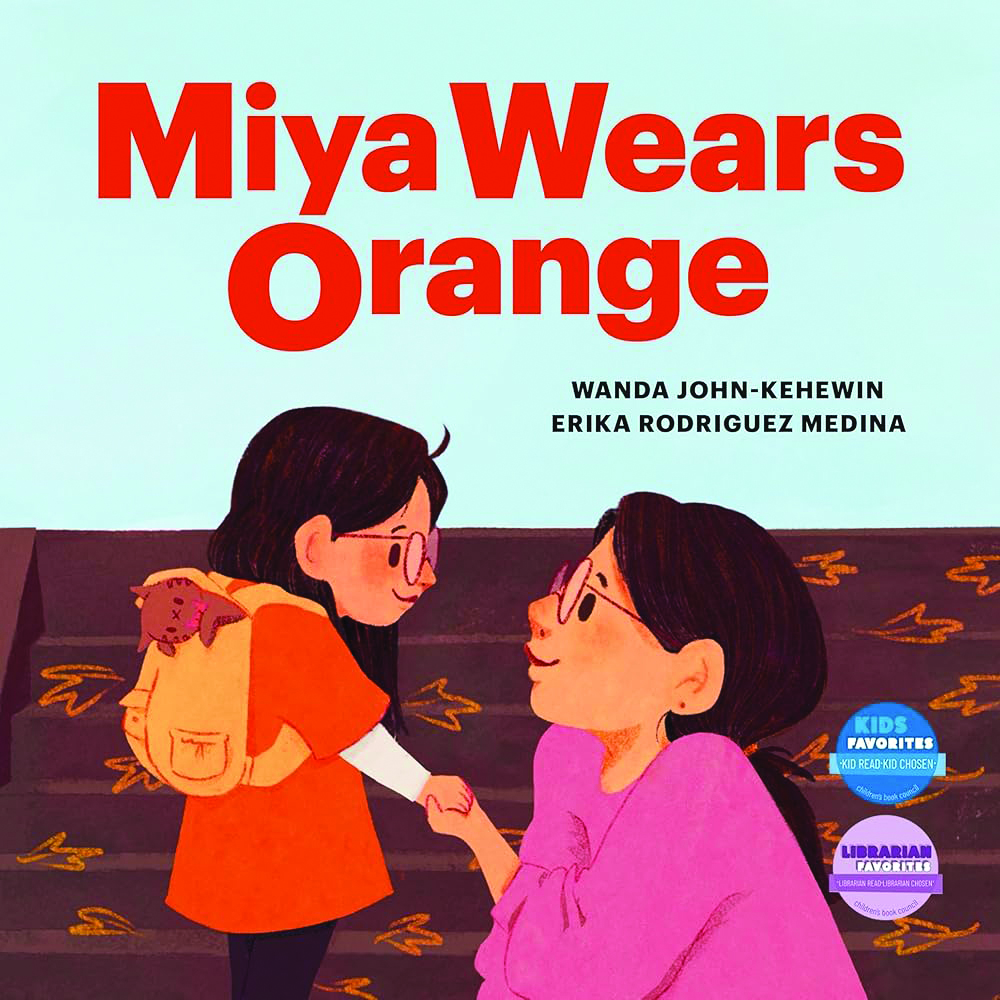
Miya Wears Orange
By Wanda John-Kehewin
Illustrated by Erika Rodriguez Medina
(HighWater Press, 2025)
40 pp.
Too often, children’s books and public memory relegate Native Americans to past tense. Wanda John-Kehewin makes a contemporary Native family the protagonists — with warm illustrations by Erika Rodriguez Medina. The book reminds educators to consider how students may internalize history lessons, particularly about their family heritage. The story opens with Miya, who loves school, in shock as her teacher reads a book about a Native American child taken from her family and sent to a residential school. Miya is terrified that the same will happen to her — and considers that may be why she is the only Indigenous child in her classroom. It could be that the others were already taken. Her “tummy is tossing and turning like waves in the ocean.” At home, in a conversation with her mother, she learns about the residential schools and how the “government and the church wanted to take away our culture.” She also learns about the day of remembrance when people wear orange shirts. Reassured that she won’t be sent away, she still asks to take a day home with her mother, noting how unfair it was that Indigenous children in the past were denied that right. Ready to return the following day, she declares that she will wear an orange shirt a lot, not just one day a year. “It will help me remember.”
Never Again, for Anyone
By Stacy Friedman
Illustrated by Elly Stern
(Arsenal Pulp Press, 2026)
40 pp.
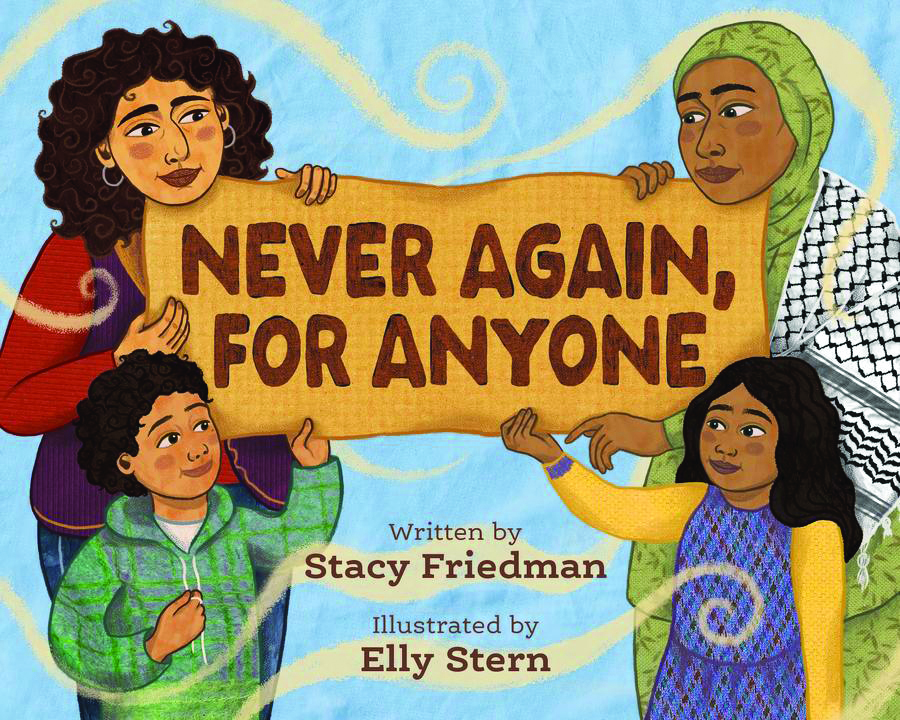
This beautifully illustrated story opens with Lev being picked up by his mother from kindergarten and going home to prepare for Shabbat. On the way, they see people gathering with Palestinian flags and signs, including “Jews for Palestine.” They continue home, where Lev helps braid the challah and asks questions about his grandmother Bubbie who looks sad in the family photo. In an age-appropriate way, Lev’s mother describes the antisemitism that led his grandmother to be separated from her own parents and why his grandmother believed that the demand “never again” should be applied to everyone facing oppression. When the marchers they saw earlier come within earshot, Lev asks about their chant, “Free Palestine.” His mother explains how Palestinian land and homes were taken to create a country called Israel and how they live in great danger today. Lev sees the connection to his grandmother’s experience. When his mother asks where they should bring light in the tradition of Shabbat, Lev says to his friends and to “Free Palestine.” Soon they join the march, allowing young readers to learn about solidarity guided by Jewish traditions.
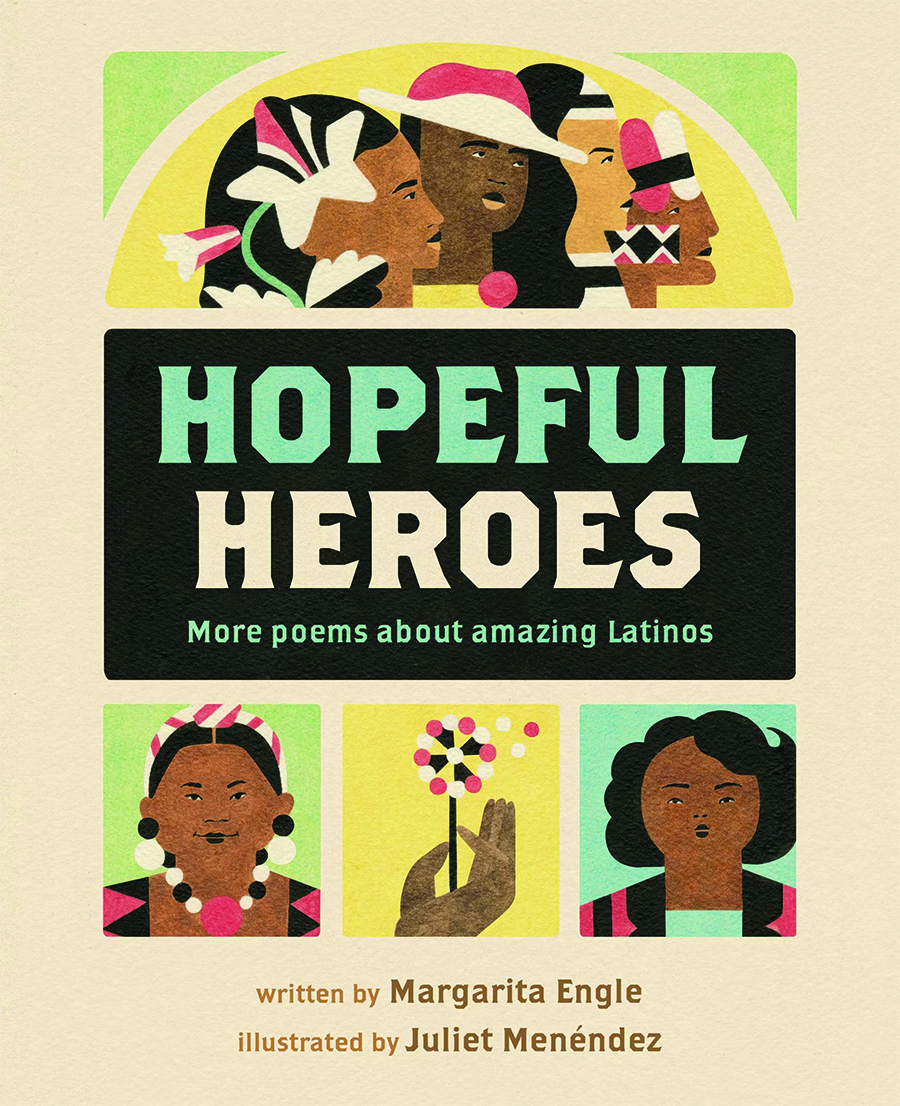
Hopeful Heroes: More Poems About Amazing Latinos
By Margarita Engle and illustrated by Juliet Menéndez
Illustrated by Erika Rodriguez Medina
(Henry Holt and Company, 2025)
40 pp.
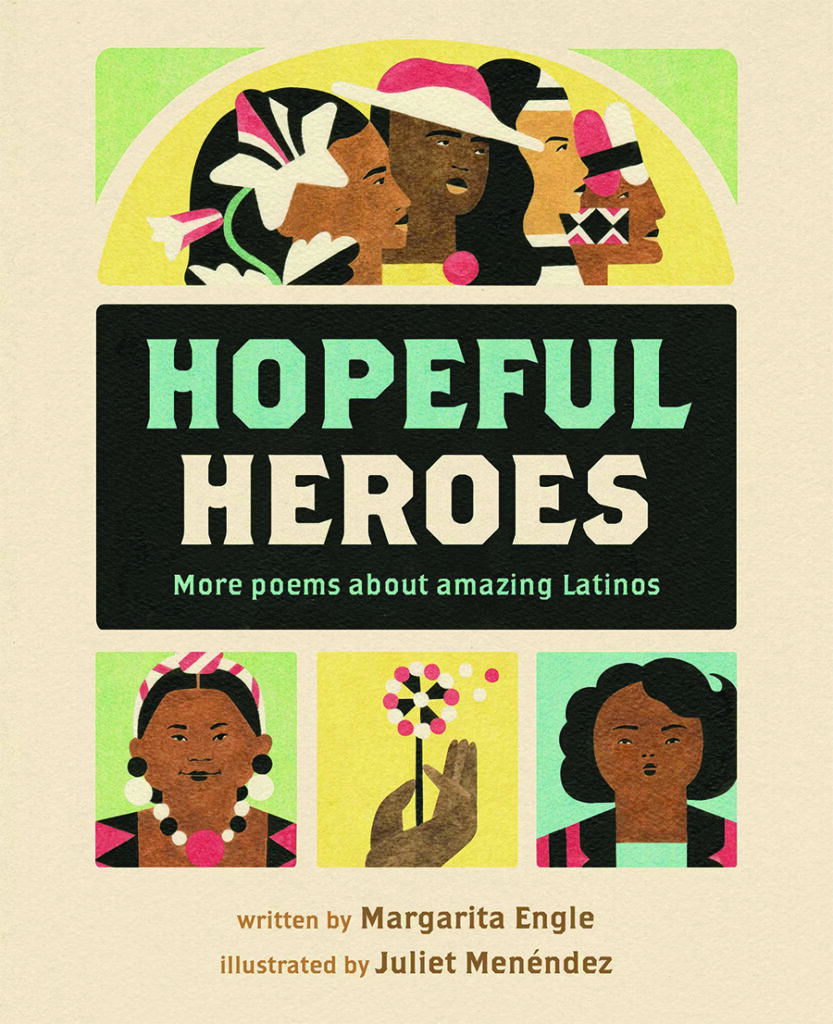
The 20 poems about famous Latinos span the centuries from Anacaona, the Taíno woman who led the fight against the Spanish invaders, to Rigoberta Menchú, who received the 1992 Nobel Peace Prize for her human rights organizing in Guatemala’s Highlands. The poems and the powerful color graphics encourage both educators and students to find out more about these important people, who have been left out of most history books. For example, readers learn about Martin de la Cruz and Juan Badiano (circa 1484–1552), Indigenous Mexicans who preserved Aztec medicinal and botanical knowledge at a time when Spanish conquistadors burned documents and books. The notes at the end of the book briefly describe details of these amazing people.
Curriculum
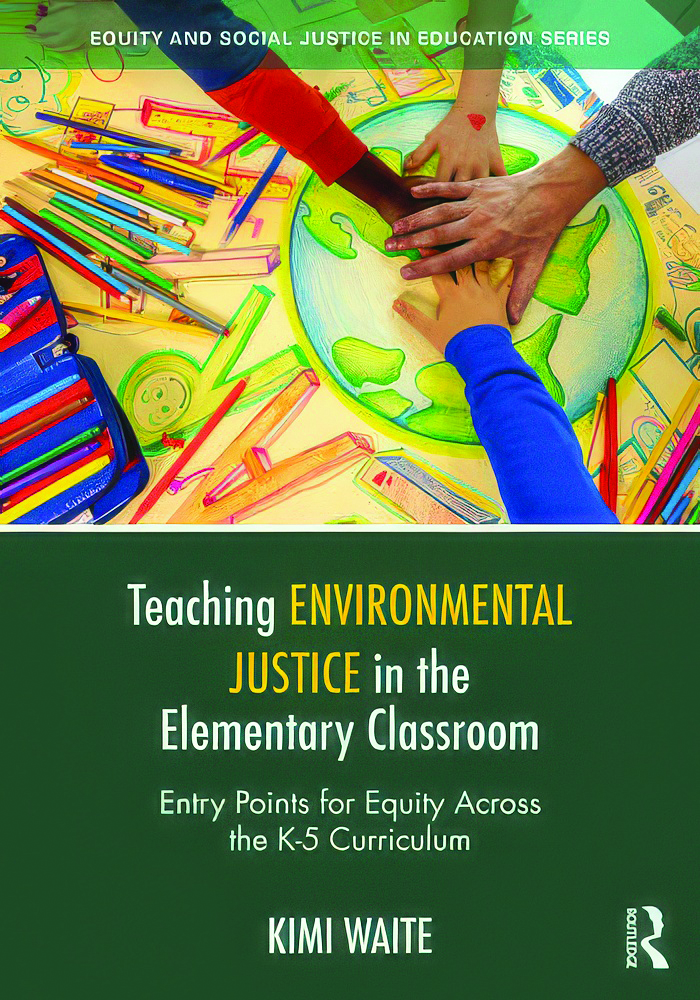
Teaching Environmental Justice in the Elementary Classroom
By Kimi Waite
(Routledge, 2026)
202 pp.
In Teaching Environmental Justice in the Elementary Classroom, Kimi Waite spells out a practical and engaging framework that can be used in every K–5 classroom. Using her personal experiences as a kindergarten teacher in Los Angeles, she walks us through the history of environmental justice before delving into how to transform environmental curricula from basic and impersonal to centered on issues that our students are already observing.
What stands out is the immediate applicability to lesson design and implementation. Waite simplifies the process of evolving environmental curricula to center student identity and inspire action, building on and adapting familiar standards and principles to focus on environmental justice. This method allows us to jump into using her framework easily, as shown by replicable examples throughout the book. Each chapter starts with a “spotlight,” a story of environmental justice learning in action. Waite then breaks down the lesson to help us understand what made it successful, modeling for us how to dissect and examine our own lessons. The book also has useful resource lists for teachers and students.
The book’s storytelling transports us to vibrant classrooms where young children are excitedly working with complex issues. We see how necessary these lessons are through the eyes of students and teachers working to make connections between social issues and impacts of damage to our environment. We cannot ignore the environmental injustices our students are facing. They are demanding we help them make sense of these crises. This book gives a road map to do so.
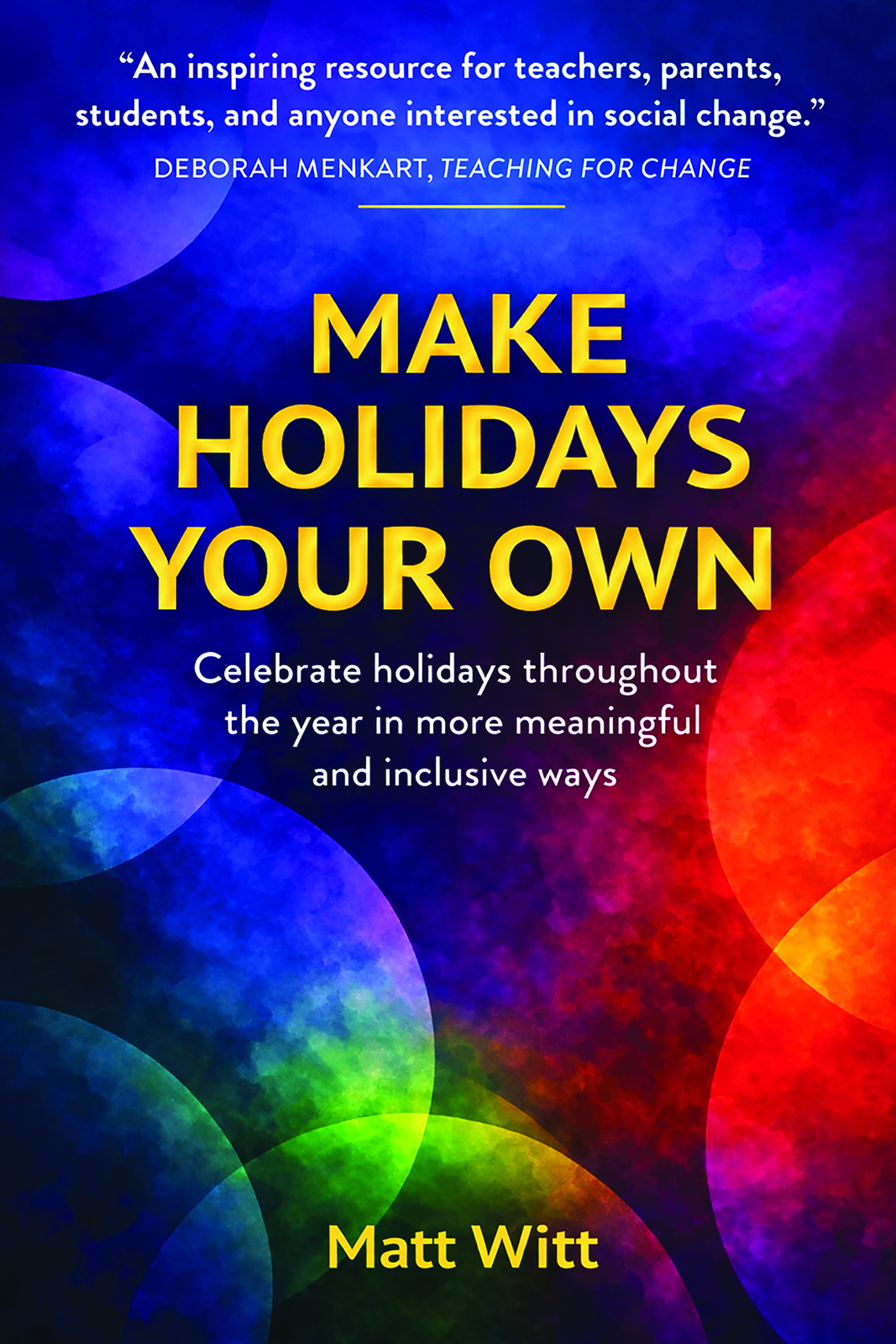
Make Holidays Your Own
By Matt Witt
(Common Ground Press, 2026)
127 pp.
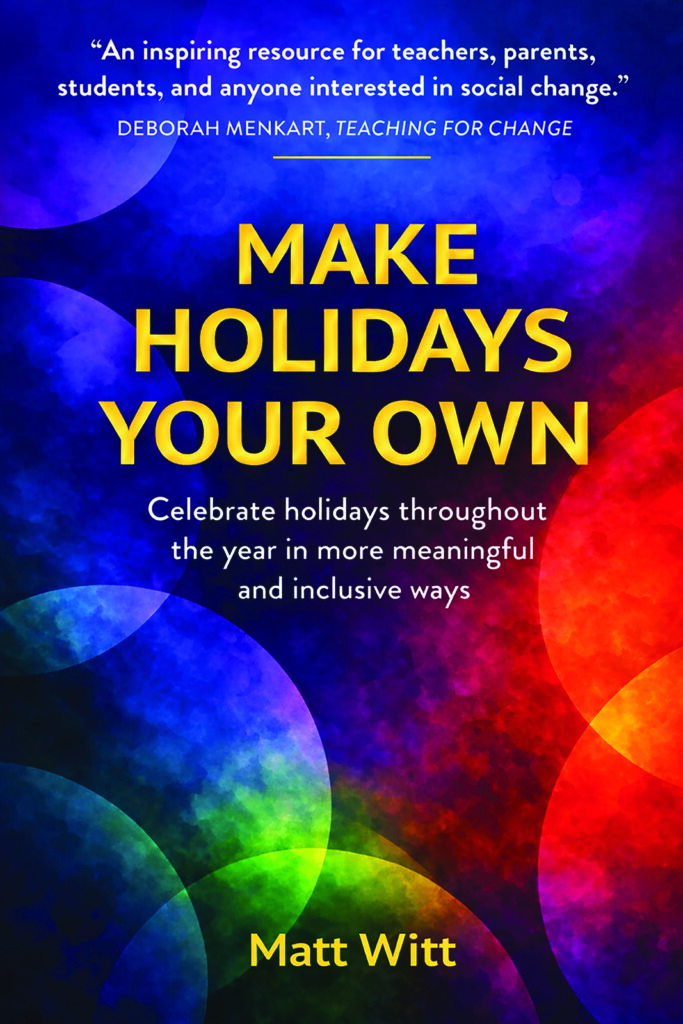
In some ways, this compact volume is two books in one: It’s a people’s history that teaches lots about the origins of our national holidays, as well as being a guide on how to reimagine ways to commemorate these days. The short history segments are middle school- and high school-friendly. One theme is how holidays often drift from their original intent. The first Memorial Day was held a month after the end of the Civil War in 1865: Formerly enslaved people in Charleston, South Carolina, gathered, 10,000 strong with 3,000 children, “to give a proper burial to Union soldiers who died at the hands of the Confederacy.” Witt points out that Mother’s Day had social justice origins: “In 1858, a West Virginian named Ann Jarvis and others began to organize Mothers’ Day Work Clubs to bring poor women together to promote community health.” Note the apostrophe after the s in Mothers, indicating it was a collective mothers’ holiday, not simply one for individual mothers. Witt suggests alternative ways to commemorate holidays, for example, on Presidents Day, learning about how grassroots movements changed presidents’ policy positions, or using the day to compare presidents and kings. Disclosure: Matt Witt is donating all royalties from the book to Rethinking Schools.
Film
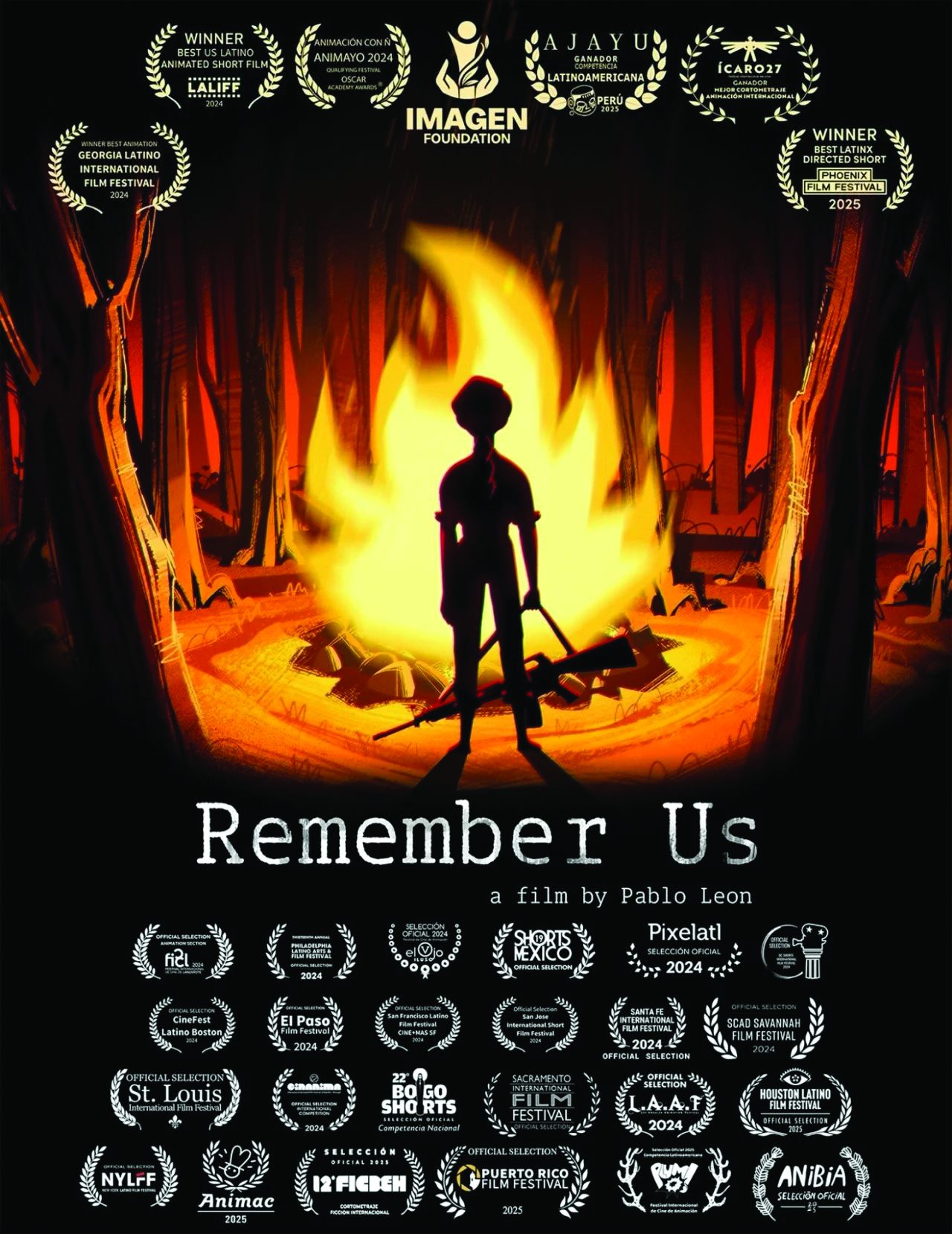
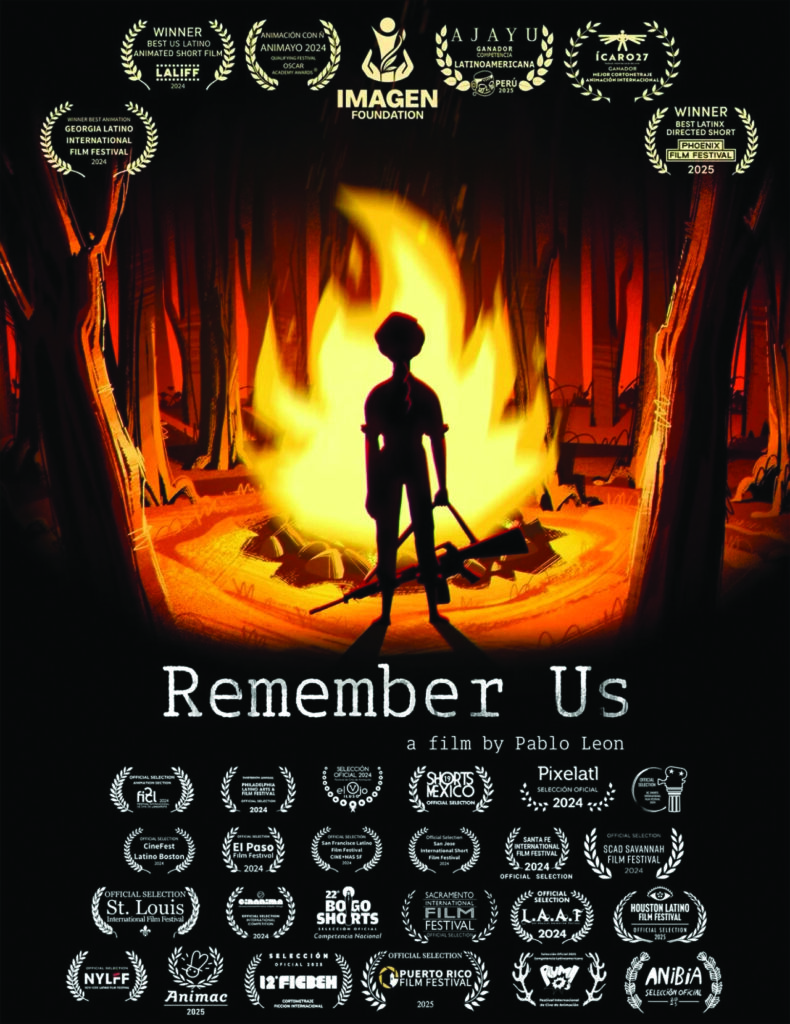
Remember Us
By Pablo Leon
(100 Volcanoes, 2024)
14 min.
Just released for streaming, Remember Us is a haunting 14-minute animated film on the U.S.-backed war in El Salvador. Director Pablo Leon was concerned that in both Central America and the United States, there is little awareness of the 12-year war, even among children of the families who personally suffered the devastating violence and displacement. Although the history could fill an hours-long documentary series, Leon skillfully uses an animation short to reach a wide audience with stories of three people impacted by the war. With a journalist as the storyteller, he affirms the need for these stories to be told and to keep the memories alive. We also recommend Leon’s graphic novel for high school students, Silenced Voices: Reclaiming Memories from the Guatemalan Genocide.
History / Politics
Schooling for Silicon Valley: A Critical Examination of How and Why Education Was Entrusted to the Tech Industry, and Its Dire Consequences in Uncertain Times
By Timothy Scott
(Peter Lang, 2026)
454 pp.
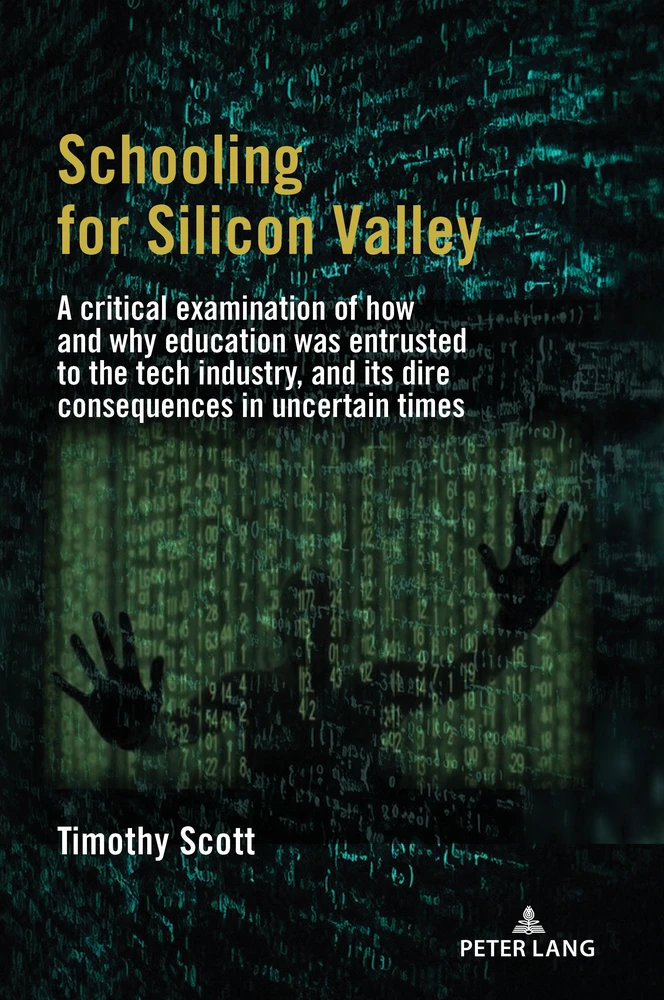
Silicon Valley insists we are living through a technological revolution that will finally liberate education. Timothy Scott dismantles this narrative, showing that what is being sold as innovation is, in fact, a digital upgrade of the same systems of control. Scott situates today’s AI-driven education within a much longer history of schooling in the United States — one shaped by eugenics, white supremacy, and the demands of industrial capitalism.
From the beginning, schools were designed not simply to educate, but to sort and manage populations. That logic has not disappeared; it has been refined. The language of “personalized learning” suggests a break from the past, but in practice these systems rely on constant measurement, data extraction, and algorithmic decision-making to rank and track students. In this sense, the new technologies echo the behaviorism of B. F. Skinner and the efficiency models of Taylorism — reducing learning to inputs and outputs that can be monitored and optimized. Far from transcending high-stakes testing, AI systems depend on it, intensifying the very practices they claim to replace.
Scott shows that Silicon Valley’s growing control of our schools is not just about profit. It is about sustaining a broader social order that concentrates wealth and power at the top while training young people to comply. At a moment when EdTech and AI are being heralded as the future of schooling, Schooling for Silicon Valley offers a sobering reminder: Without confronting power, new technologies will not liberate education — they will only make inequality more efficient.