The War on Palestinian Schools
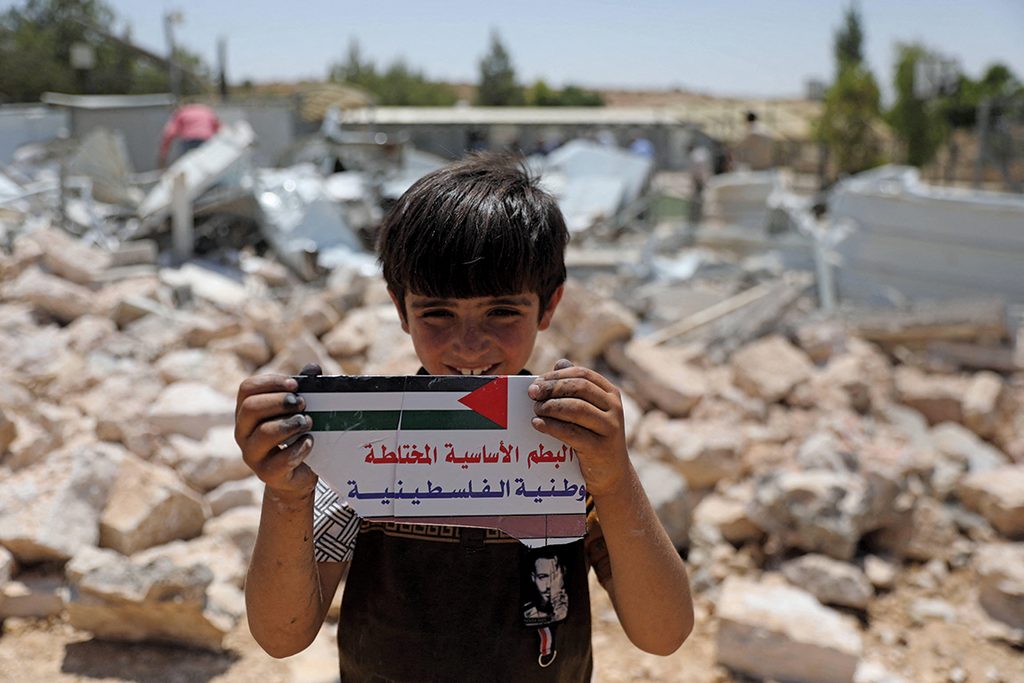
On a February afternoon in downtown Nablus, I watched as men trudged through the streets with carts heaped high with strawberries, and taxis honked at pedestrians jaywalking in the central roundabout. Large billboards memorializing leaders of the al-Aqsa Martyrs’ Brigades killed during the Second Intifada (2000–2005) hung above the market’s entrance, while nearby street vendors hawked their small wares. It was a typical scene in this crowded West Bank city — except alongside the usual fruit vendors were children selling candy, flowers, and toys. One boy who I spoke to, 15-year-old Talal Adabiq, told me he had been in school until about a year earlier, but had since dropped out to work and help support his family. Adabiq is one of thousands of West Bank students who has left school in the past two years as reduced instruction hours and disrupted routines have meant that schools cannot provide a strong enough education to compete with the necessity of making money. Instead, explained Aisha al-Khatib, the principal of the Zenabia Elementary School in Nablus, students “go to work to bring money to help their families pay for the costs of living.”
Although Israel has long targeted Palestinian education, the confluence of attacks on the system over the past three years has weakened it to an unprecedented degree. Since Oct. 7, the vast majority of public schools in the West Bank have operated just three days a week, often for just four or five hours a day. Because the Palestinian Authority (PA) cannot pay the full salaries of teachers — or any public sector employees, including doctors, who went on strike in May — hundreds of thousands of children have had their education cut in half, leading many, like the former students selling goods in the street, to drop out altogether. Al-Khatib suspects that at her school as many as 10 percent of students have dropped out because of the closures. In small towns like Aqraba, a community south of Nablus, a local education official estimated that more than 20 percent of students have dropped out this year.
Read the rest of this article at Jewish Currents where it was originally published.